**Could a Fungal Outbreak Spark the Next Public Health Crisis?**
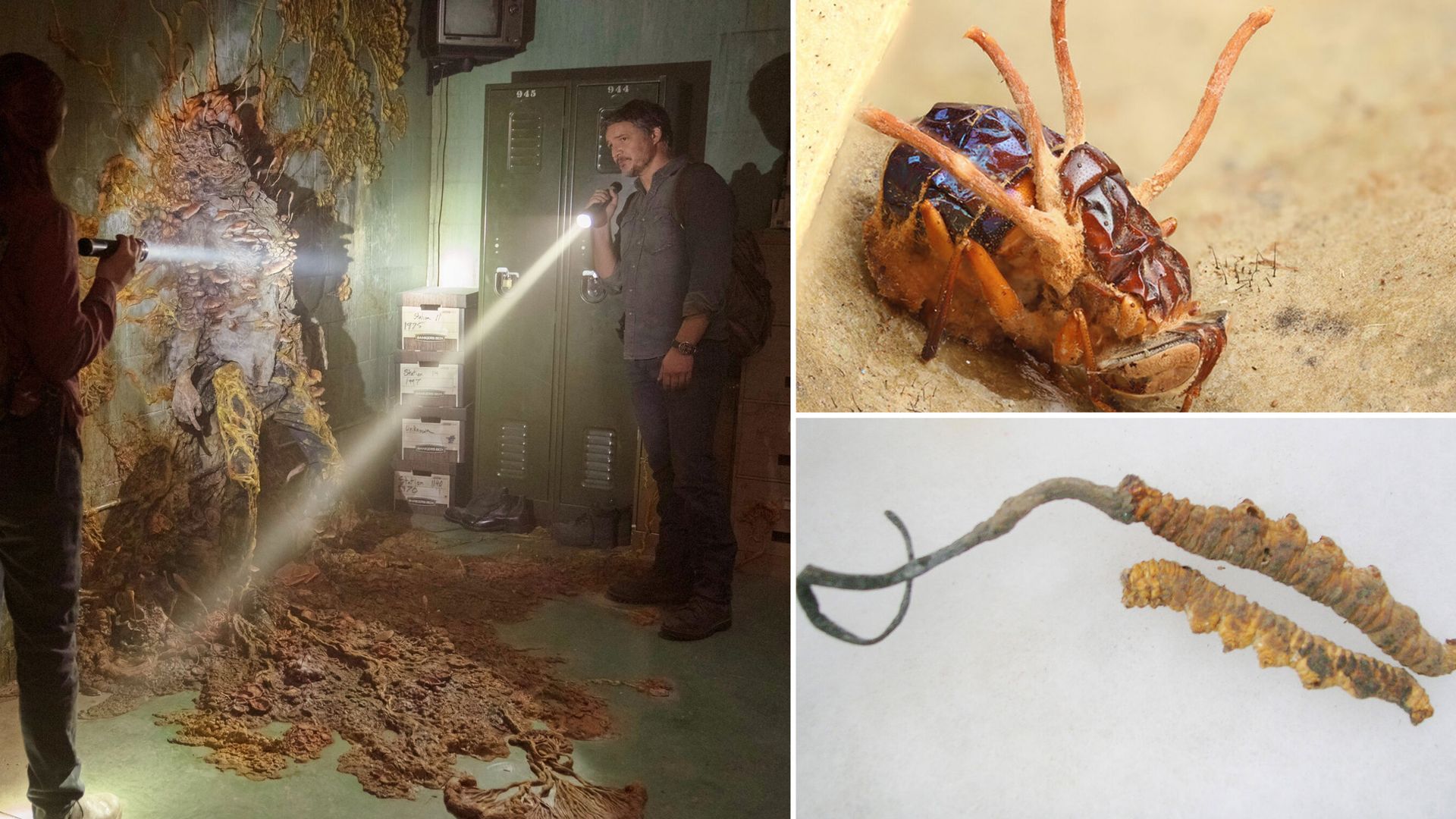
As the second season of the post-apocalyptic TV drama *The Last Of Us* premieres on Sky Atlantic, it raises a chilling question: could a fungus be the catalyst for the next public health emergency? The series, featuring Pedro Pascal and Bella Ramsey, depicts a world devastated by a pandemic triggered by a widespread cordyceps outbreak, which turns humans into monstrous beings.
In the show’s debut episode, a perceptive epidemiologist, portrayed by John Hannah, warns of the potential dangers posed by climate change, suggesting that it could lead to the evolution of certain fungi into more lethal forms. He states, “Candida, ergot, cordyceps, aspergillus: any one of them could be capable of burrowing into our brains and taking control of not millions of us, but billions.” While this scenario is dramatized for entertainment, it does raise valid concerns about the real threats posed by fungi.
Professor Elaine Bignell, a leading expert in human fungal pathogens, emphasizes that numerous fungi are already infecting humans globally, often with severe consequences. “Many fungal species are significant pathogens, resulting in hundreds of thousands of deaths each year, yet the public remains largely unaware of this issue,” she explains.
The fictional epidemiologist’s warnings echo real-life concerns highlighted by the World Health Organization (WHO), which has identified several high-risk fungi. Among them is *Aspergillus fumigatus*, a common mold found in various environments that can lead to serious lung diseases and even death. Additionally, Candida species, known for causing conditions like thrush and skin rashes, are also major contributors to bloodstream infections in intensive care patients. Another notable threat is *Cryptococcus neoformans*, which can cause pneumonia and meningitis in immunocompromised individuals, claiming over 100,000 lives annually in sub-Saharan Africa.
Professor Bignell notes that a common trait among deadly fungi is their ability to thrive at human body temperature, which is atypical for most fungi. “Most environmental fungi prefer more temperate conditions, making it challenging for them to survive the human immune response and high body temperatures,” she adds.
While cordyceps itself is not currently considered a direct threat to humans, it is a real parasitic fungus that infects and manipulates the behavior of insects, mirroring its portrayal in *The Last Of Us*. Dr. Mark Ram points out that there are approximately 600 species of cordyceps, highlighting the fascinating yet alarming nature of these organisms.
In conclusion, while the dramatic scenarios presented in *The Last Of Us* may be exaggerated, they are rooted in genuine scientific concerns about the potential for fungi to pose significant health risks to humans. As climate change continues to alter ecosystems, the possibility of fungal evolution and increased pathogenicity remains a topic worthy of attention.
**FAQ**
**Q: Are fungi a real threat to human health?**
A: Yes, certain fungi are significant pathogens that can cause severe infections and even death, particularly in vulnerable populations.