**Terror Attack in Pahalgam: A Reflection on India’s Partition Legacy**
In a recent statement, veteran Congress leader Mani Shankar Aiyar raised poignant questions regarding the implications of the recent terror attack in Pahalgam, which tragically resulted in the deaths of 26 tourists. Speaking at a book release event, Aiyar suggested that this incident may serve as a stark reminder of the unresolved issues stemming from the Partition of India and the subsequent 1971 war with Pakistan. He pondered, “Are the unresolved questions of the Partition reflected in the terrible tragedy… in Pahalgam on April 22?”
Aiyar elaborated on the historical context, noting that despite efforts to prevent Partition, it was ultimately driven by deep-seated differences in value systems and perceptions of India’s nationhood among leaders such as Gandhi, Nehru, and Jinnah. He emphasized that a central question continues to haunt India: whether Muslims in the country feel “accepted, cherished, and celebrated.”
Reflecting on Pakistan’s trajectory since Partition, particularly after the 1971 war that led to the formation of Bangladesh, Aiyar remarked, “Pakistan’s dream of being the protector of Muslims in the subcontinent ended after the 1971 war.” He underscored the complexity of identity, asserting that it transcends mere religious affiliation. “The failure to recognize that every identity has multiple dimensions contributed to Pakistan’s challenges in 1971,” he stated.
In his analysis of contemporary India, Aiyar posed a critical choice: “Do we accept Jinnah’s view and regard Muslims as a separate nation among us, or do we embrace them as integral to our identity?” He cautioned against defining Indian identity solely through the lens of Hinduism, urging for introspection on the acceptance of Muslims in today’s society. “Does a Muslim feel accepted, cherished, or celebrated in India? These are questions that need to be asked,” he asserted.
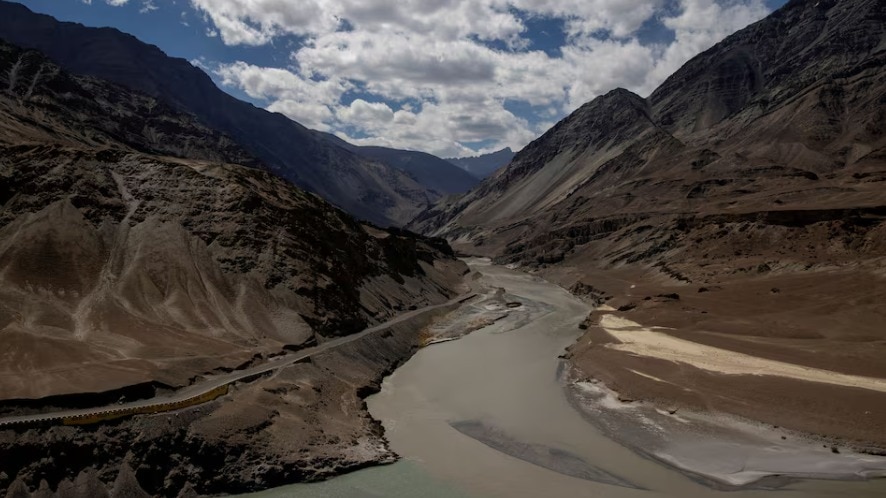
In response to the Pahalgam attack, India has implemented a series of significant countermeasures against Pakistan, including the suspension of the Indus Waters Treaty of 1960 and the revocation of visas for Pakistani nationals. The Indian government has also announced an immediate suspension of trade. In retaliation, Pakistan has closed its airspace to Indian flights, with officials warning of potential escalation if the treaty remains suspended.
As the situation unfolds, the implications of these events on India-Pakistan relations and the broader socio-political landscape remain to be seen.
**FAQ**
**Q: What were the consequences of the Pahalgam terror attack?**
A: The Pahalgam terror attack resulted in the deaths of 26 tourists and prompted India to suspend the Indus Waters Treaty and revoke visas for Pakistani nationals, escalating tensions between the two countries.