**Title:** India’s Response to Pahalgam Attack: Diplomatic and Military Options
**Meta Description:** India considers diplomatic and military responses to the Pahalgam massacre, blaming Pakistan and taking unprecedented measures.
**URL Slug:** india-response-pahalgam-attack
—
**India’s Response to Pahalgam Attack: Diplomatic and Military Options**
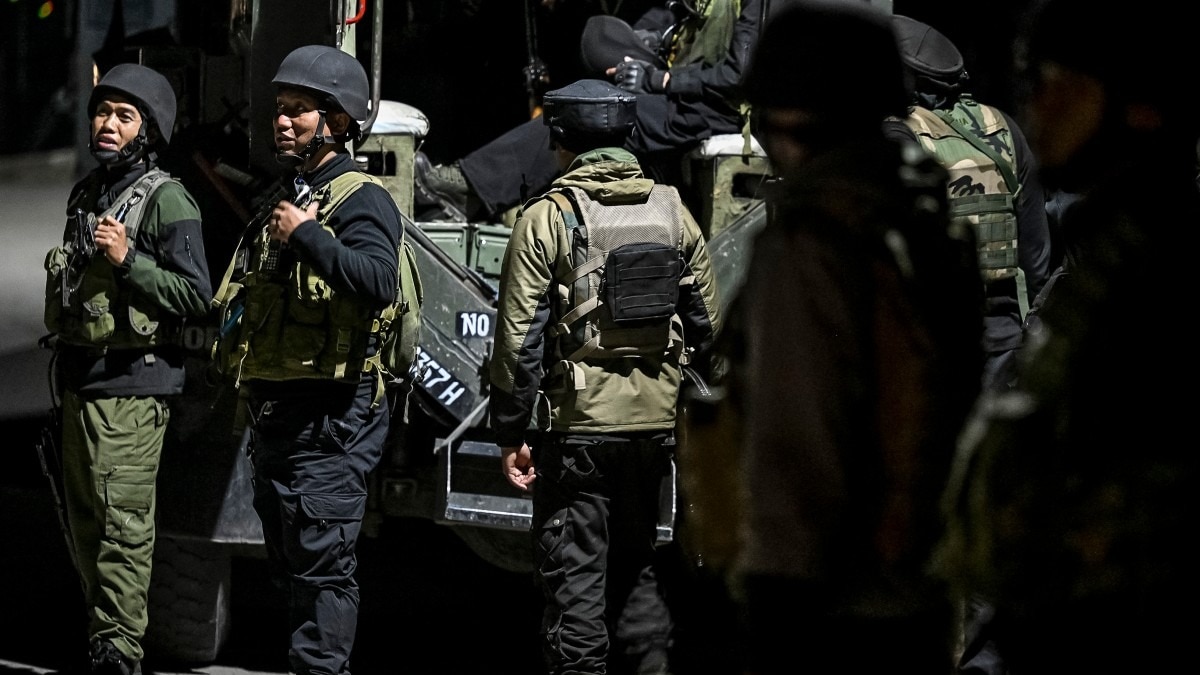
In the wake of the tragic Pahalgam massacre, where 26 individuals, including tourists, lost their lives, India is weighing both diplomatic and military responses, firmly attributing the incident to Pakistan. The Indian government has initiated a series of punitive measures against Pakistan, reminiscent of its actions following the Uri and Pulwama terror attacks.
Historically, India has executed military strikes across the border in response to such attacks. For instance, after the 2016 Uri attack, surgical strikes were conducted 10 days later, while the aerial strikes following the 2019 Pulwama attack occurred 11 days post-incident. These operations were meticulously planned by top military and intelligence officials, although specific details remain classified.
Following the Pahalgam attack on April 22, Prime Minister Narendra Modi promptly returned from a visit to Saudi Arabia to convene a high-level Cabinet Committee on Security (CCS) meeting. The media was briefed, and an all-party meeting was organized to discuss the situation. Additionally, ambassadors from several G20 nations were informed about the attack during a 30-minute meeting held by the Ministry of External Affairs.
In contrast, after the 2016 Uri attack, India withdrew from the 19th SAARC summit scheduled in Islamabad, signaling its discontent. Similar to previous incidents, the National Investigation Agency (NIA) has taken charge of the investigation into the Pahalgam attack.
Pakistan’s response has mirrored its past behavior. In 2019, it labeled the Pulwama attack a “matter of grave concern” while denying any involvement. Following the Pahalgam attack, Prime Minister Shehbaz Sharif expressed readiness for a “neutral, transparent, and credible investigation.” Furthermore, Pakistan closed its airspace to Indian flights in response to the attack.
In a significant escalation, India has taken unprecedented steps following the Pahalgam attack, including suspending the Indus Waters Treaty and closing the Attari-Wagah border. These actions reflect the severity of the situation and India’s commitment to addressing the threat posed by terrorism.
**Conclusion**
The Pahalgam attack marks one of the most severe assaults on civilians in recent years, prompting India to consider a range of responses. As the situation unfolds, the international community watches closely, anticipating further developments in India’s approach to counter-terrorism and its relations with Pakistan.
**FAQ**
**What actions has India taken in response to the Pahalgam attack?**
India has convened high-level security meetings, briefed international ambassadors, and taken unprecedented measures such as suspending the Indus Waters Treaty and closing the Attari-Wagah border.