**Supreme Court Dismisses Plea for Enhanced Tourist Safety Measures**
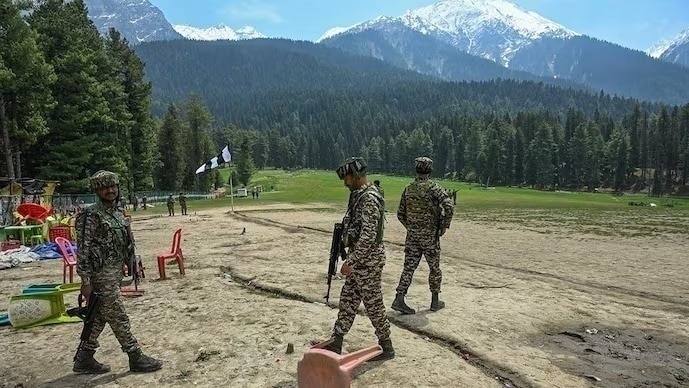
The Supreme Court of India has dismissed a petition calling for improved safety measures for tourists in hilly regions following the tragic Pahalgam attack that resulted in 26 fatalities. The court criticized the petitioner, advocate Vishal Tiwari, for lacking sensibility in his approach. This marks the second rejection of Tiwari’s petitions, as the court previously denied his request for a judicial inquiry into the attack.
During the proceedings, Justices Surya Kant and N Kotiswar Singh expressed their disapproval, questioning the petitioner’s motives and responsibility in filing public interest litigations (PILs). “What is your purpose? Who is inviting you to file these PILs? You don’t understand any sensibility? Don’t you have responsibility?” the bench remarked.
The petitioner argued that the Pahalgam incident was a significant event, being the first time tourists were specifically targeted. He emphasized the need for enhanced safety protocols, particularly for the upcoming Amarnath Yatra, scheduled from July 3 to August 9, 2025. Tiwari highlighted the economic reliance of many North Indian states on tourism and warned that terror attacks could adversely affect this sector.
Despite these concerns, the Supreme Court firmly rejected the plea, stating that the petitioner appeared to be pursuing publicity rather than a genuine public cause. The court also noted that previous requests for a judicial commission to investigate the attack could undermine the morale of security forces.
In conclusion, the Supreme Court’s dismissal of the plea underscores the challenges in balancing public safety concerns with the judicial process, particularly in sensitive areas frequented by tourists.
**FAQ**
**Q: What was the Supreme Court’s ruling regarding tourist safety in hilly areas?**
A: The Supreme Court dismissed a plea for enhanced safety measures for tourists in hilly areas, criticizing the petitioner for lacking sensibility and questioning the motives behind the public interest litigation.