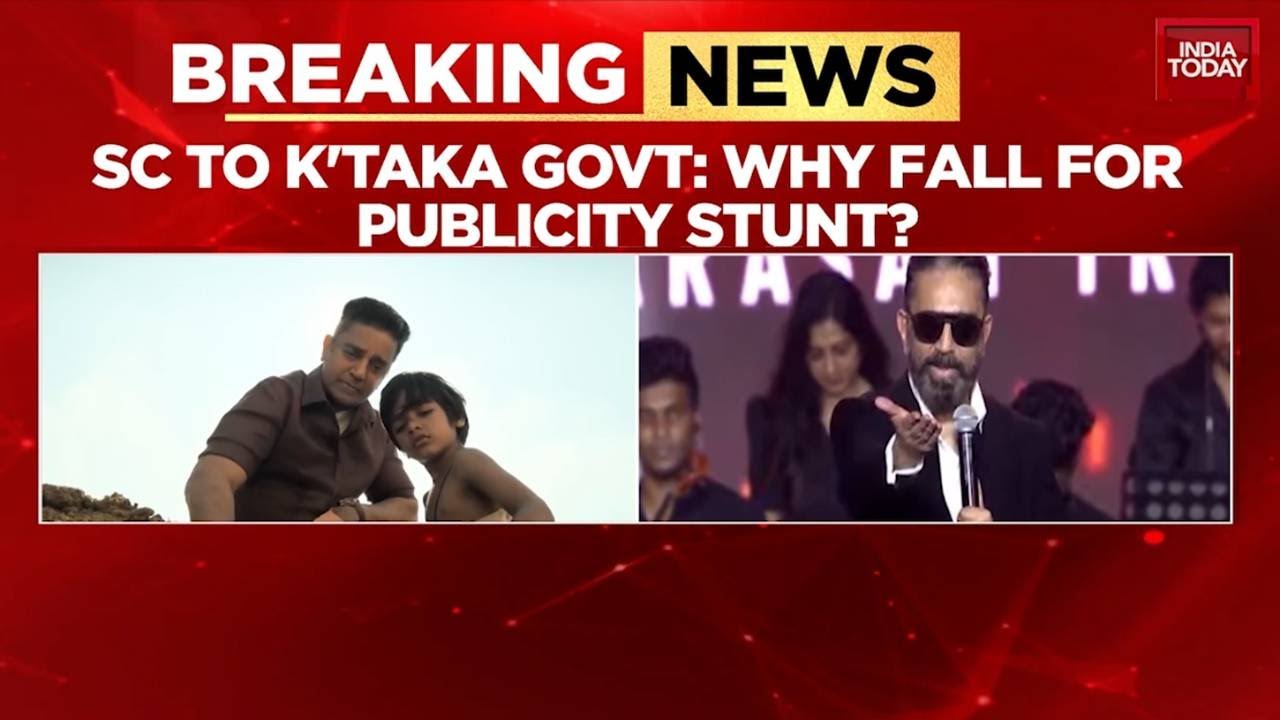
**Karnataka Government and Film Body Criticized by Supreme Court Over Thug Life Ban**
The Supreme Court has expressed strong disapproval of the Karnataka government’s decision to ban the film “Thug Life,” highlighting concerns regarding censorship and artistic freedom. This ruling comes in response to a petition challenging the ban, which was imposed by the Karnataka Film Chamber of Commerce and supported by state authorities.
The controversy surrounding “Thug Life” centers on allegations that the film promotes violence and anti-social behavior. However, the Supreme Court emphasized the importance of creative expression and the need for a balanced approach to regulation. The court’s remarks underscore the delicate balance between protecting societal values and allowing filmmakers the freedom to explore diverse narratives.
In its ruling, the Supreme Court called for a reassessment of the criteria used to evaluate films, urging the Karnataka government and the film body to adopt a more nuanced perspective. The court’s intervention is seen as a pivotal moment in the ongoing debate over censorship in Indian cinema, raising questions about the role of government in regulating artistic content.
As the film industry grapples with these issues, the Supreme Court’s stance may pave the way for greater artistic freedom and a more robust dialogue about the responsibilities of filmmakers and regulators alike.
**Conclusion**
The Supreme Court’s criticism of the Karnataka government’s ban on “Thug Life” highlights the ongoing tension between censorship and creative expression in Indian cinema. This ruling may have significant implications for future film regulations and the protection of artistic freedom.
**FAQ**
**Q: What was the reason for the ban on “Thug Life”?**
A: The ban was imposed due to concerns that the film promotes violence and anti-social behavior, but the Supreme Court has criticized this decision, advocating for artistic freedom.