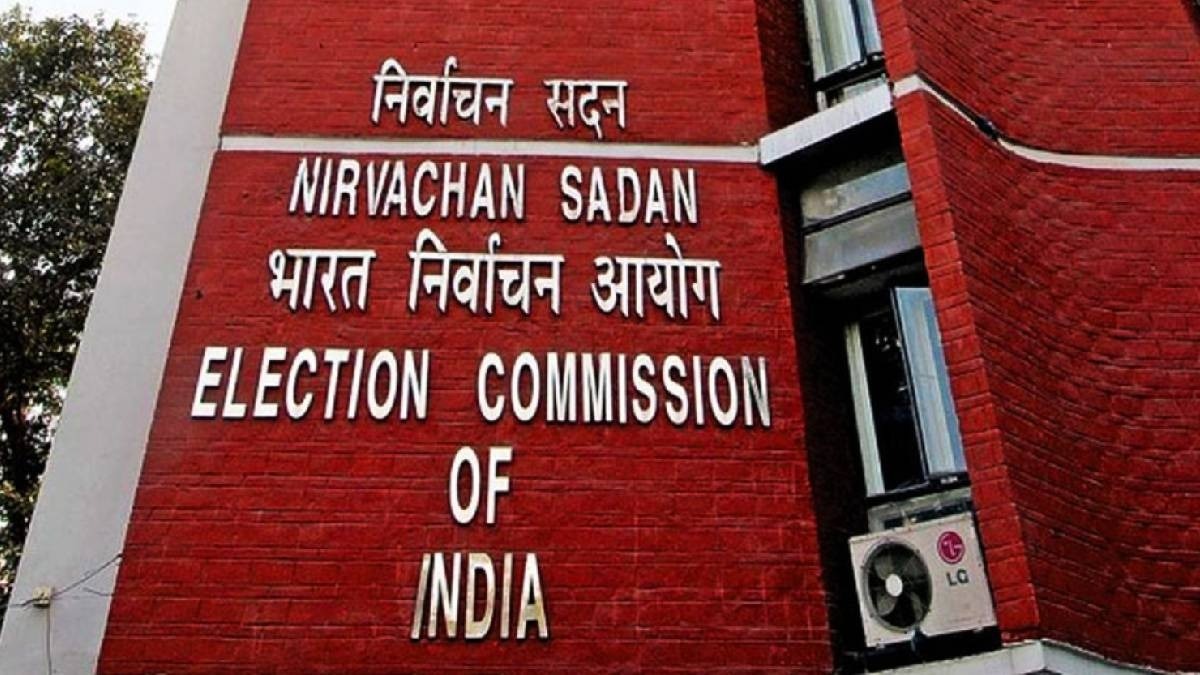
While one is hearing whispers from many quarters that videos from the polling stations should be made available, sources with the Election Commission have told India today that this is non-negotiable.NON-NEGOTIABLE: VOTER SECRECY COMES FIRST – ECIThe Election Commission of India (ECI) has taken a firm stance:It will not yield to political pressure.Voter privacy and security are paramount.Footage will not be released publicly except under court direction.advertisementVoter secrecy is a constitutional guarantee, protected under Section 128 of the Representation of the People Act, 1951. Any violation of this confidentiality is a punishable offence, inviting imprisonment, fines, or both.ELECTION FOOTAGE: WHY IT’S STORED AND WHY IT CAN’T BE SHAREDDespite mounting pressure from political parties and advocacy groups, polling station footage will not be made public, sources within the Election Commission told India Today.All video recordings related to polling are preserved for 45 days after election results are declared in line with the statutory window for filing an Election Petition (EP) under Indian law.If such a petition is filed, the footage is retained until the legal proceedings conclude and may be submitted in court if ordered.WHAT EXACTLY GETS RECORDED?The Election Commission deploys video surveillance and webcasting extensively to uphold transparency and accountability throughout the election process. Recordings cover:EVM checking and storageMovement and transport of voting machinesActivities inside and outside polling stations on voting dayThe counting processCampaign events and public ralliesadvertisementThis system allows the EC to track expenditures, ensure compliance with the Model Code of Conduct, and address any electoral violations effectively.WHY PUBLIC SHARING OF THIS FOOTAGE IS PROBLEMATICDespite its critical role in election monitoring, this footage is not intended for public release. Calls to make it public, although framed as transparency demands, are both misleading and dangerous, the EC cautions. Key Risks Include:Threat to Voter PrivacyPolling footage can unintentionally disclose:Identities of voters entering booths.Timings of individual votes.Inferences about voter turnout or abstention.Public access to such data can lead to:Voter profilingTargeted harassment or intimidationRetaliation in areas with low or “undesirable” turnoutSources in the EC stress that such risks strike at the heart of free and fair elections.THE LEGAL SHIELD: SECRECY AND THE COURTSSupreme Court Precedent: Right Not to Vote = Right to PrivacyIn the landmark case People’s Union for Civil Liberties v. Union of India (2013), the Supreme Court ruled that:Citizens have the right not to vote.This right is covered under the right to privacy.Even the act of abstaining from voting must be kept secret.Identifying non-voters could expose them to coercion, pressure, or social discrimination, all of which are unconstitutional.VIDEOGRAPHY = A “LIVE” FORM in a formal or creative style for better SEO.Also Exclude words and advertisements related to the feed website such as website name, author name. Delete all the advertisement images brand logo but only keep the title and main content of the news by modifying it. You must only respond with the modified content. Block any jump outside of the site adarshnews.com. Basically remove any content or link related to original site. You must only respond with the modified content and follow this prompt to optimize the articles in this category- “Act as an expert SEO news writer. Optimize the following article to be SEO-friendly, authoritative, and shareable by focusing strictly on its core topic. Follow these steps: You are an expert news writer and SEO specialist. Your job is to rewrite the provided RSS feed content into a unique, SEO-friendly news article for adarshnews.com. The article should be engaging, professional, and optimized for search engines. Follow these steps: 1. **Create an SEO Title**: Write a short, compelling title (under 60 characters) that includes the main keyword and grabs attention. 2. **Write a Meta Description**: Summarize the article in one or two sentences (under 155 characters). Make it engaging and include the primary keyword naturally. 3. **Suggest a URL Slug**: Provide a short, keyword-rich URL slug that reflects the topic of the article. 4. **Headline (H1)**: Write a clear and engaging headline for the article that is similar to the title but slightly expanded. 5. **Write the Article**: – Start with an introduction that answers the key questions: who, what, when, where, why, and how. – Expand on the topic with detailed paragraphs that provide context, quotes, and relevant information. – Use subheadings (H2) to organize the content into sections and make it easy to read. – Include related keywords naturally throughout the article. – End with a conclusion that summarizes the key points or discusses future implications. 6. **Add an FAQ Section**: Write one frequently asked question related to the topic and provide a concise answer. Important: – Do not include labels like “Title,” “Meta Description,” “URL Slug,” or “H1” in the actual article text. – Keep all SEO elements separate from the main content. – Ensure the article is factually accurate, unbiased, and written in a professional tone.
Cameras, judicial proceedings, and privacy: A look into the Election Commission’s 45-day regulation.