**Bitcoin Market Dynamics: Institutional Flows and Cycles in 2024**
Bitcoin has experienced a relatively flat performance year-to-date, with returns sitting at a modest -0.4%. This contrasts sharply with the impressive +121% returns seen in 2024 and a remarkable compound annual growth rate of 98.60% over the past 13 years. Following an all-time high of $109,000 on January 20, 2025, Bitcoin faced a significant decline, plummeting to as low as $76,000 during the global tariff crisis on April 9. Currently, Bitcoin is trading around $106,000, approximately 6% below its peak.
The turbulence caused by President Trump’s trade war suggests that Bitcoin may not revisit the deeply discounted levels of its earlier years. The pressing question now is whether Bitcoin can surpass its previous high of $112,000 or if it will succumb to further sell-off pressures. To explore this, we must consider the factors at play a year after Bitcoin’s most recent halving.
**Are Bitcoin Fundamentals Still Robust?**
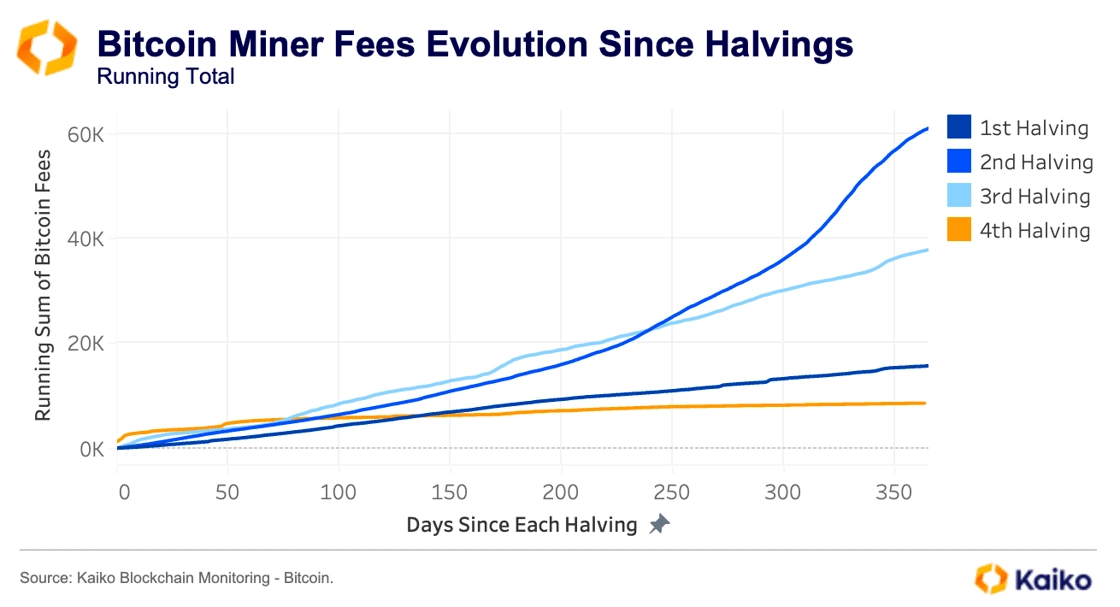
The fourth Bitcoin halving in April reduced miner block rewards from 6.25 BTC to 3.125 BTC, effectively lowering Bitcoin’s inflation rate to 0.83%, which is significantly below the Federal Reserve’s target inflation rate of 2%. The fundamentals of Bitcoin can be distilled into a straightforward concept: mass democracy necessitates increased government spending and social programs, which in turn fosters reliance on government support. This reliance leads to substantial budget deficits, projected to reach nearly $2 trillion in 2024.
Such massive deficits compel central banks to act, resulting in the devaluation of the dollar. When the supply of dollars exceeds the availability of real assets, the value of those assets tends to rise. Over time, individuals begin to seek alternative means to protect their wealth. As voting increases, the situation often worsens, highlighting the need for technological solutions that operate outside traditional electoral politics, where public opinion is shaped through centralized information channels.
Bitcoin is uniquely positioned to capitalize on this demand. While it is a digital asset, its proof-of-work mechanism connects it to tangible resources—machines and energy. Coupled with the programmed scarcity of 21 million bitcoins and the decentralized nature of its computing network, Bitcoin presents a relatively secure asymmetric investment against a debt-driven monetary system.
In a hypothetical scenario where the Federal Reserve ceases all monetary supply interventions, the U.S. government would need to depend on investors purchasing bonds to cover its deficits. However, as evidenced during the tariff crisis, the bond market reacts to underlying fundamentals, necessitating sound Treasury operations. The stability of the dollar, as the world’s reserve currency, hinges on both domestic spending and broader economic conditions.
**Conclusion**
As Bitcoin navigates the complexities of institutional flows and market cycles, its fundamentals remain a critical factor in determining its future trajectory. The interplay between government spending, inflation, and investor behavior will continue to shape Bitcoin’s position in the financial landscape.
**FAQ**
**Q: What impact does Bitcoin’s halving have on its price?**
A: Bitcoin’s halving reduces the rewards for mining, which decreases its inflation rate and can lead to increased scarcity, potentially driving up its price over time.