**Title:** Trust Models in Wallet of Satoshi’s Return to the U.S.
**Meta Description:** Explore the trust models surrounding Wallet of Satoshi’s integration with Lightspark’s Spark system and its implications for noncustodial wallets.
**URL Slug:** wallet-of-satoshi-trust-models
**Headline:** Understanding the Trust Models of Wallet of Satoshi’s New Integration
The recent announcement regarding Wallet of Satoshi’s return to the United States, facilitated by the integration of Lightspark’s innovative “Spark” system, has sparked considerable debate. Central to this discussion is the question of trust models and whether the updated Wallet of Satoshi qualifies as a noncustodial wallet.
The Spark system is built on statechains, a technology that allows for the off-chain transfer of entire UTXOs without liquidity constraints, albeit with certain trust trade-offs. Users must place their trust in the service provider to delete private key materials each time a statechain is transferred. This raises important questions about the nature of custodial versus noncustodial wallets.
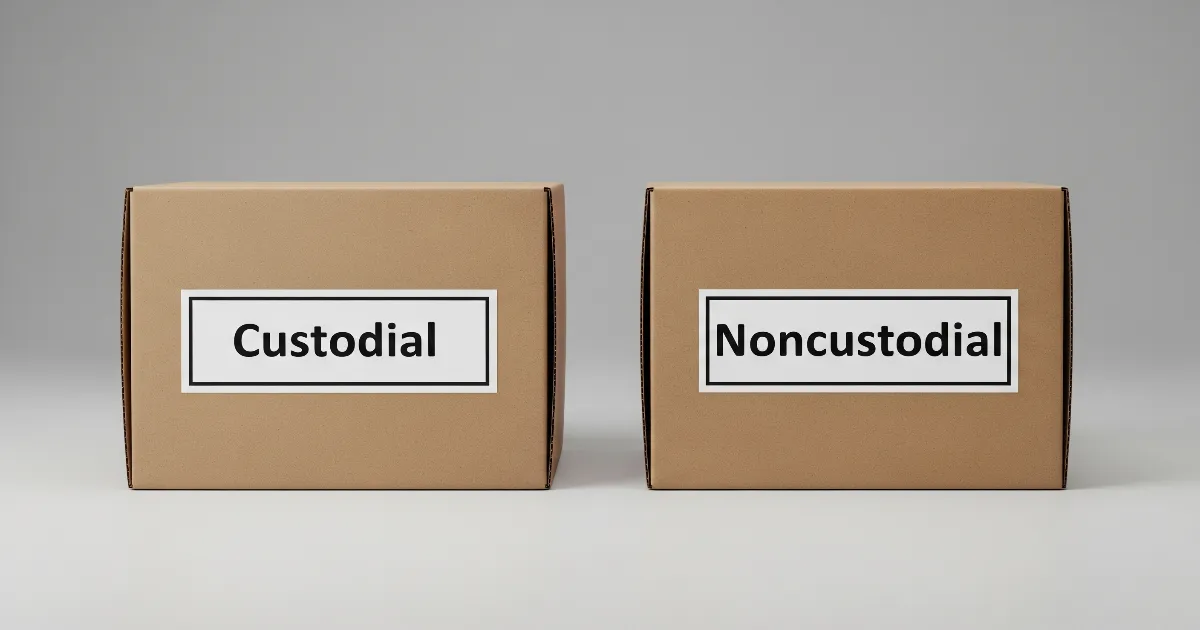
To determine if a wallet is noncustodial, we must consider two key characteristics: the user’s unilateral control over their funds and the absence of any third party’s ability to prevent the user from accessing or spending those funds. The first characteristic is clearly met by statechains, as users can utilize pre-signed transactions to reclaim their funds after a designated timelock, ensuring honest settlement.
However, the second characteristic is more complex. The statechain protocol necessitates a collaborative key generation process between the operator and the original user, where neither party possesses complete knowledge of the key. This collaboration allows for the pre-signing of withdrawal transactions. When the original user transfers their statechain to a new user, all parties involved must regenerate the key with a new set of shares. The operator is then expected to delete their share from the original user, preventing any future collaboration that could compromise the new user’s funds.
If the operator adheres to this protocol and deletes old key shares with each transfer, they cannot act as a custodial entity. They would be unable to sign transactions with anyone other than the current rightful owner of the statechain, thus maintaining the integrity of the noncustodial model.
In conclusion, the integration of Wallet of Satoshi with Lightspark’s Spark system presents a nuanced view of trust models in cryptocurrency. As the landscape evolves, understanding these dynamics will be crucial for users navigating the complexities of digital wallets.
**FAQ Section:**
**Q: What is the significance of the Spark system in Wallet of Satoshi?**
A: The Spark system enhances Wallet of Satoshi by enabling off-chain transfers of UTXOs while introducing a unique trust model that raises questions about custodial versus noncustodial wallet classifications.