**Title:** Women’s Identity Crisis in Seemanchal, Bihar Amid Voter Revision
**Meta Description:** In Seemanchal, Bihar, women face identity challenges during the voter revision process, struggling to prove their existence without traditional documentation.
**URL Slug:** women-identity-crisis-seemanchal-bihar
**Headline:** The Struggle for Identity: Women in Seemanchal, Bihar, Face Challenges Amid Voter Revision
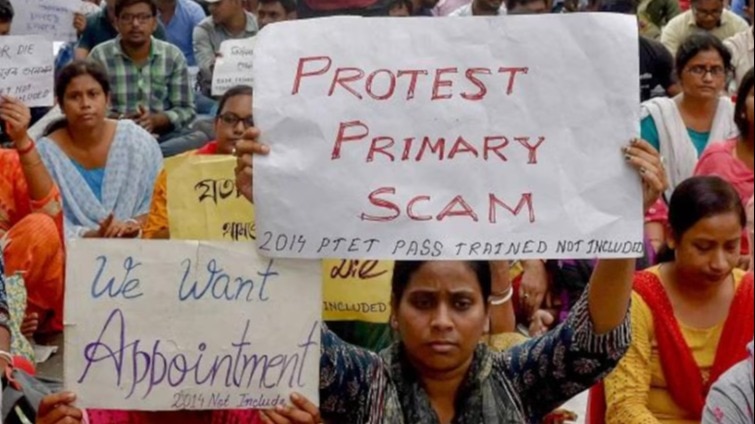
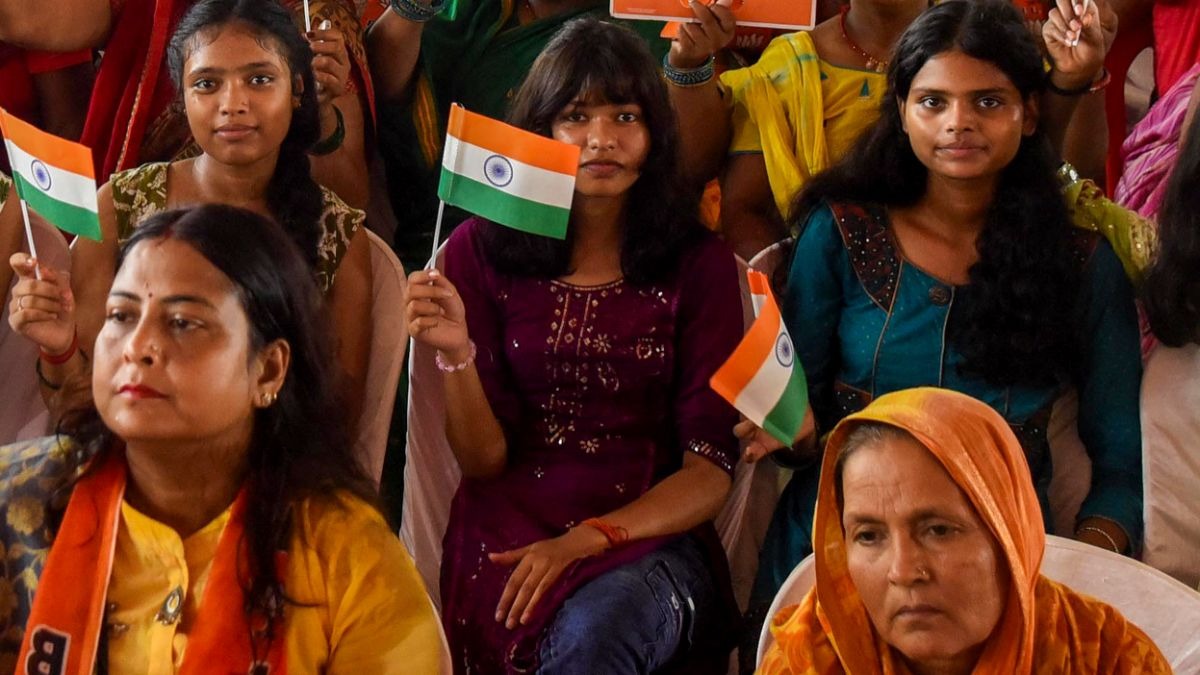
In Seemanchal, Bihar, the identity of women has become intricately linked to their husbands, often leaving them vulnerable in a bureaucratic landscape that demands proof of existence. As the Special Intensive Revision (SIR) process unfolds, many women find themselves in a precarious situation, lacking essential documents, husbands, or lineage records. They are forced to navigate a complex system to assert their belonging to a nation they have never left. This struggle is not merely about being included on a list; it is about establishing their identity in a state that poses questions they are unprepared to answer: Who are you without a husband’s surname? Without a father’s electoral record from 2003? Without a village elder to vouch for you?
For many women in this region, identity is a fragmented concept. They carry surnames that do not align with their dialects, appearances that defy administrative assumptions, and narratives that do not fit neatly into official categories. In a place where suspicion is systemic and scrutiny often reveals bias, their womanhood becomes both a source of vulnerability and a form of resistance.
During my ten-day stay in Bihar, I witnessed the bureaucratic challenges of the voter revision process, locally known as the voter revision prakriya. While national discussions centered on the broader implications for communities, I focused on the often-overlooked experiences of women. In urban areas, Booth Level Officers (BLOs) appeared proactive, visiting homes to collect enumeration forms, even in the absence of documents. However, this sense of urgency was absent in rural districts, where villagers struggled to access the 2007 family register and create genealogies.
In Seemanchal, particularly in Kishanganj, the atmosphere is charged with suspicion. Villages have been flagged, and booths labeled as “suspicious.” Block Development Officers (BDOs) discreetly guide BLOs on whom to monitor, using criteria that combine local intelligence with the inability to trace one’s parents to the 2003 electoral rolls. This scrutiny raises existential questions for many, as their very existence is called into doubt.
The chaos in Seemanchal highlights the urgent need for systemic change to address the vulnerabilities faced by women in the voter revision process. As they navigate this bureaucratic maze, their stories reveal the complexities of identity in a rapidly changing socio-political landscape.
**FAQ:**
**Q: What challenges do women in Seemanchal face during the voter revision process?**
A: Women struggle with proving their identity without traditional documentation, often lacking husbands or lineage records, which complicates their inclusion in the voter rolls.