**Title:** Varanasi Voter Fraud Claims Refuted by Ram Janaki Math Saints
**Meta Description:** Uttar Pradesh Congress’s voter fraud allegations in Varanasi are dismissed by Ram Janaki Math saints, clarifying a misunderstanding of tradition.
**URL Slug:** varanasi-voter-fraud-claims-refuted
**Headline:** Saints of Ram Janaki Math Dismiss Voter Fraud Allegations in Varanasi
In a recent controversy, the Uttar Pradesh Congress accused Prime Minister Narendra Modi’s constituency of Varanasi of large-scale voter fraud. The allegations stemmed from a social media post claiming that over 50 individuals were registered as “sons” of a single man, Ramkamal Das, in the voter list from the Kashmiriganj area of Ward No. 51. This sparked outrage, with the Congress party questioning the integrity of the Election Commission.
The voter list, part of the 2023 Municipal Corporation election roll, indicated that numerous voters at the same address, B 24/19, listed Ramkamal Das as their father. The ages of these individuals varied significantly, with some as young as 28 and others as old as 72. The Congress party’s tweet highlighted this discrepancy, suggesting it was indicative of widespread electoral fraud.
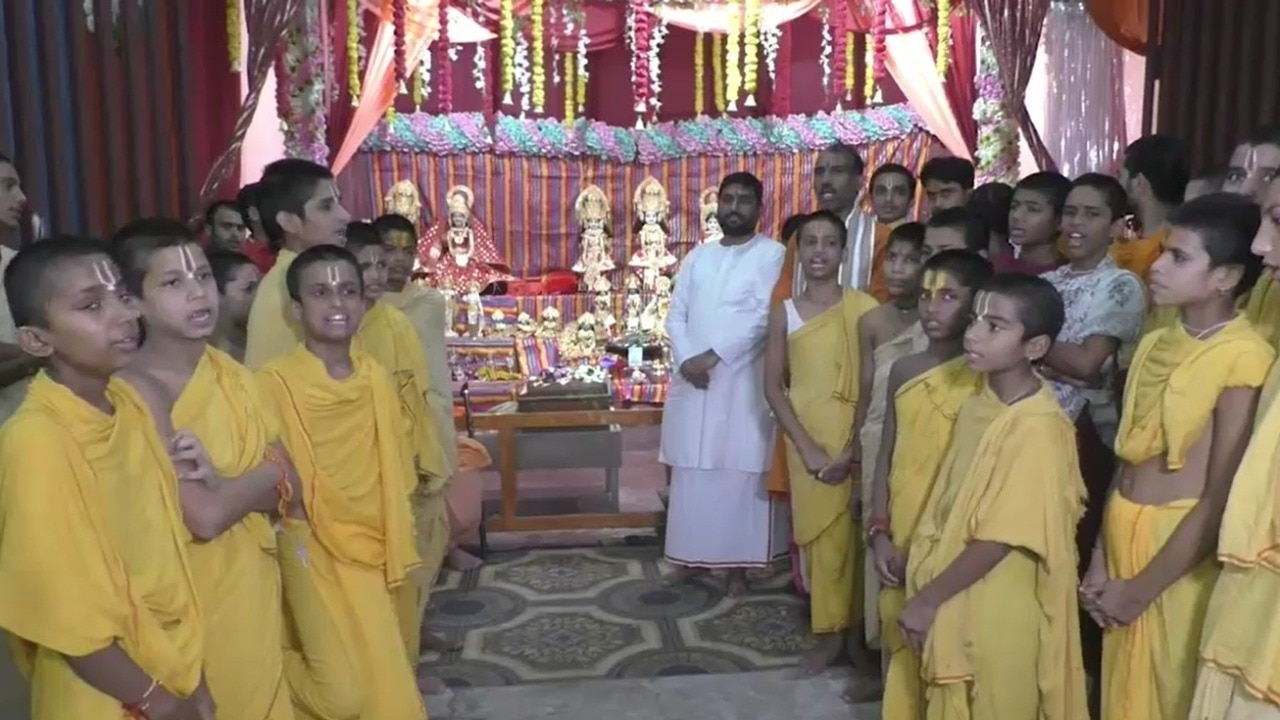
However, a ground report by India Today revealed that the address in question is not a residential home but the Ram Janaki Math temple, founded by Acharya Ramkamal Das. The temple’s current manager, Rambharat Shastri, confirmed the authenticity of the voter list but clarified that it reflects a long-standing Guru–Shishya tradition in Hindu monastic life.
“In our ashram, disciples who have renounced worldly life consider their Guru as their father,” Shastri explained. “When a person adopts the life of a sadhu, their biological family ties are severed, and the Guru’s name is used in place of the father’s name in official records.”
Senior disciple Abhiram emphasized that this practice is legally recognized, noting that in 2016, the Government of India permitted sadhus and sanyasis to use their Guru’s name in official documents. He asserted that this is neither fraudulent nor unconstitutional, adding that such traditions often become targets during election seasons.
In response to the allegations, the saints conducted a Buddhi Shuddhi Puja, a ritual aimed at purifying the intellect of those spreading misinformation. Swami Jitendranand Saraswati, General Secretary of the All India Sant Samiti, condemned the Congress’s accusations as a conspiracy to defame the Sanatan Hindu tradition and its leaders. He warned of potential legal action against those attempting to malign their practices.
This incident highlights the intersection of religious tradition and electoral politics, raising questions about the understanding of cultural practices in the context of modern governance.
**FAQ Section:**
**Q: What is the Guru–Shishya tradition mentioned in the article?**
A: The Guru–Shishya tradition is a centuries-old practice in Hinduism where disciples, upon renouncing worldly life, consider their Guru as their father, often using the Guru’s name in official records instead of their biological father’s name.