**Title:** Tragic Losses in Kerala Due to Amoebic Meningoencephalitis
**Meta Description:** Two individuals, including an infant, succumbed to amoebic meningoencephalitis in Kerala, raising concerns over this rare brain infection.
**URL Slug:** amoebic-meningoencephalitis-kerala
**Headline:** Kerala Faces Tragic Deaths from Amoebic Meningoencephalitis Outbreak
In a heartbreaking development, two individuals, including a three-month-old infant, have died while receiving treatment for amoebic meningoencephalitis, a rare and often deadly brain infection, at Kozhikode Medical College Hospital in Kerala. Health officials reported these fatalities on Monday, bringing the total number of deaths from this infection in the state to three in August alone.
The infant, the son of Abubacker Siddique from Omassery in Kozhikode district, had been under medical care for a month. Unfortunately, his condition deteriorated significantly on Sunday, leading to his passing in the Intensive Care Unit (ICU). The second victim, a 52-year-old woman named Ramla from Kappil in Malappuram district, began exhibiting symptoms on July 8. Initially treated at a private hospital, she was later transferred to Kozhikode Medical College as her health declined.
This recent outbreak follows the death of a nine-year-old girl from Thamarassery, who also succumbed to the same infection at the same hospital on August 14. Currently, eight additional patients from the Kozhikode, Malappuram, and Wayanad districts are receiving treatment at Kozhikode Medical College Hospital.
Amoebic meningoencephalitis is primarily contracted through exposure to contaminated water, often during swimming or bathing. This year, Kerala has reported a total of 42 cases of this infection. In response to the rising number of cases, the Health Department has initiated chlorination of wells and water storage tanks in the affected districts of Kozhikode, Wayanad, and Malappuram. Additionally, awareness campaigns are being launched to educate the public and prevent further infections.
As the situation develops, health officials continue to monitor the outbreak closely, emphasizing the importance of safe water practices to mitigate the risk of amoebic meningoencephalitis.
**FAQ Section:**
**What is amoebic meningoencephalitis?**
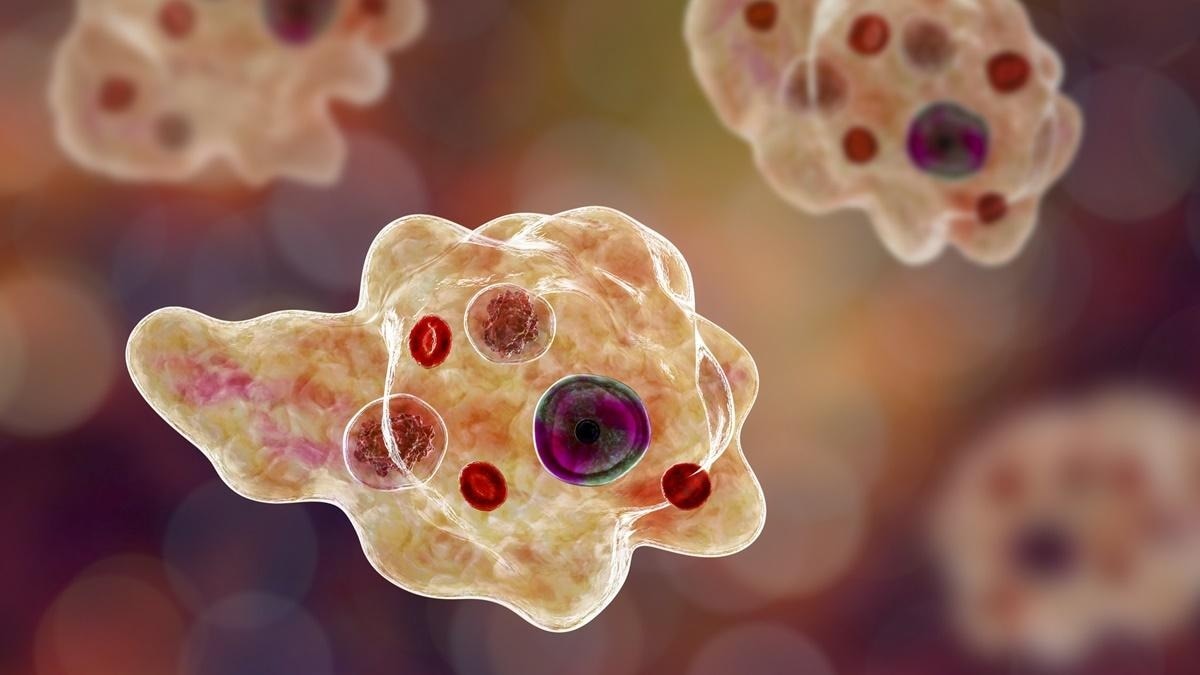
Amoebic meningoencephalitis is a rare but serious brain infection caused by the amoeba Naegleria fowleri, typically contracted through contaminated water. It can lead to severe neurological damage and is often fatal if not treated promptly.