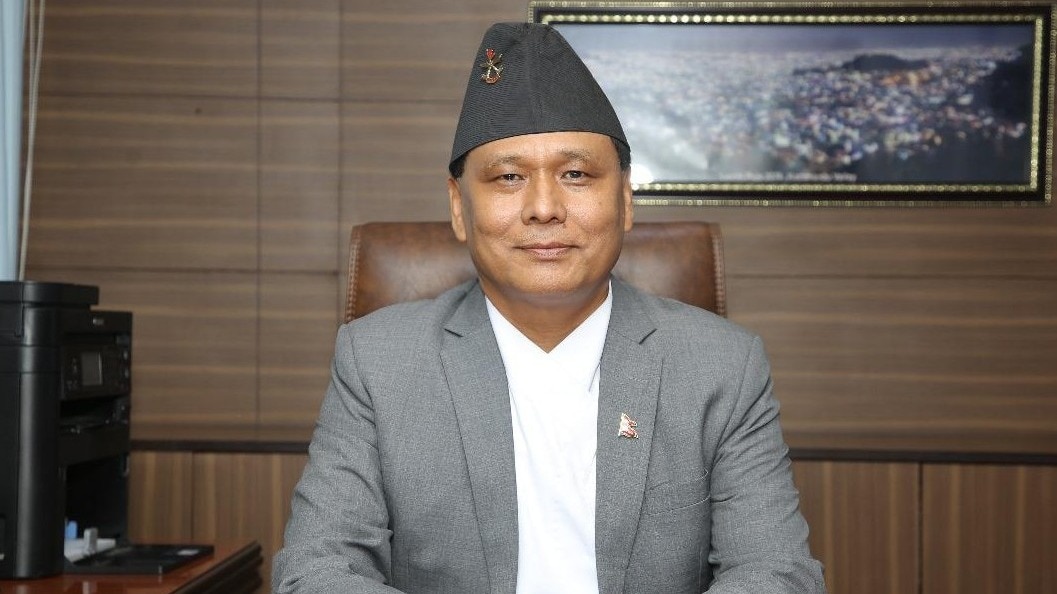
As Nepal grapples with political turmoil and youth-led protests, a new name has emerged on the list of people being favoured to run the interim government in the crisis-hit Himalayan nation- Kulman Ghising. For many in the country, he is not a politician but the man who quite literally brought light into their homes.On Thursday, a faction of the protesting ‘Gen Z’ group proposed Ghising, the former Executive Chief of the Nepal Electricity Authority (NEA), as the interim head of government. Their statement described him as “a patriotic person who is loved by everyone.”advertisementThe proposal came after days of unrest triggered by a ban on social media platforms, which spiralled into a larger movement against corruption and unemployment.But, who is Kulman Ghising and why is he looked upon so favourably by the Gen Zers?ENDING 18-HOUR BLACKOUTSNepal once suffered daily power cuts of up to 17-18 hours. When Ghising became Managing Director of NEA in September 2016, the country was in the dark for much of the day. Within months, he turned things around.By managing electricity distribution more smartly, prioritising supply where it was most needed, and optimising existing resources, he eliminated load-shedding nationwide. His reforms also made NEA profitable. The achievement earned him widespread respect and turned him into a rare figure in Nepal — a bureaucrat seen as both effective and uncorrupt.Even when the government tried to remove him in March, just months before his term ended, thousands of people took to the streets in protest. Social media was flooded with outrage, while Nepali Congress leaders openly criticised the move, as per the Himalayan Times report.HIS INDIA CONNECTIONGhising’s story also has a strong India link. Born in Ramechhap district in 1970, he studied electrical engineering on a full scholarship at the Regional Institute of Technology in Jamshedpur, Jharkhand. Later, he pursued a Master’s in Power Systems Engineering in Nepal and an MBA from Pokhara University.India continues to feature prominently in his vision for Nepal’s energy future. In a 2024 interview with The Himalayan Times, Ghising stressed that “India’s assistance has been invaluable, particularly in cross-border power-sharing frameworks and real-time data exchange.”Projects such as the Dhalkebar-Muzaffarpur transmission line have allowed Nepal to export surplus electricity to India during monsoons and import power in winter when shortages hit. He also pointed to Indian investment in hydropower, especially the Arun III project led by Satluj Jal Vidyut Nigam, as “a model of collaboration.”WHY GEN Z WANTS HIMFor Nepal’s restless youth, Ghising’s clean image and problem-solving track record make him a natural choice. In their statement, the Gen Z group dismissed other options, arguing that former Chief Justice Sushila Karki was “incompetent and over 70 years of age,” while Kathmandu mayor Balendra Shah had declined interest.advertiseme in a formal or creative style for better SEO.Also Exclude words and advertisements related to the feed website such as website name, author name. Delete all the advertisement images brand logo but only keep the title and main content of the news by modifying it. You must only respond with the modified content. Block any jump outside of the site adarshnews.com. Basically remove any content or link related to original site. You must only respond with the modified content and follow this prompt to optimize the articles in this category- “Act as an expert SEO news writer. Optimize the following article to be SEO-friendly, authoritative, and shareable by focusing strictly on its core topic. Follow these steps: You are an expert news writer and SEO specialist. Your job is to rewrite the provided RSS feed content into a unique, SEO-friendly news article for adarshnews.com. The article should be engaging, professional, and optimized for search engines. Follow these steps: 1. **Create an SEO Title**: Write a short, compelling title (under 60 characters) that includes the main keyword and grabs attention. 2. **Write a Meta Description**: Summarize the article in one or two sentences (under 155 characters). Make it engaging and include the primary keyword naturally. 3. **Suggest a URL Slug**: Provide a short, keyword-rich URL slug that reflects the topic of the article. 4. **Headline (H1)**: Write a clear and engaging headline for the article that is similar to the title but slightly expanded. 5. **Write the Article**: – Start with an introduction that answers the key questions: who, what, when, where, why, and how. – Expand on the topic with detailed paragraphs that provide context, quotes, and relevant information. – Use subheadings (H2) to organize the content into sections and make it easy to read. – Include related keywords naturally throughout the article. – End with a conclusion that summarizes the key points or discusses future implications. 6. **Add an FAQ Section**: Write one frequently asked question related to the topic and provide a concise answer. Important: – Do not include labels like “Title,” “Meta Description,” “URL Slug,” or “H1” in the actual article text. – Keep all SEO elements separate from the main content. – Ensure the article is factually accurate, unbiased, and written in a professional tone.
Kulman Ghising is a prominent figure in Nepal, often referred to as the “power saviour” due to his educational background in India and his significant contributions to the energy sector. He is currently a leading candidate for a key position in the government.