**Title:** Understanding Parasocial Relationships in the Digital Age
**Meta Description:** Explore the phenomenon of parasocial relationships, where individuals feel a connection with online personalities despite never meeting them.
**URL Slug:** parasocial-relationships-digital-age
—
**Headline:** The Rise of Parasocial Relationships: Connecting with Online Personalities
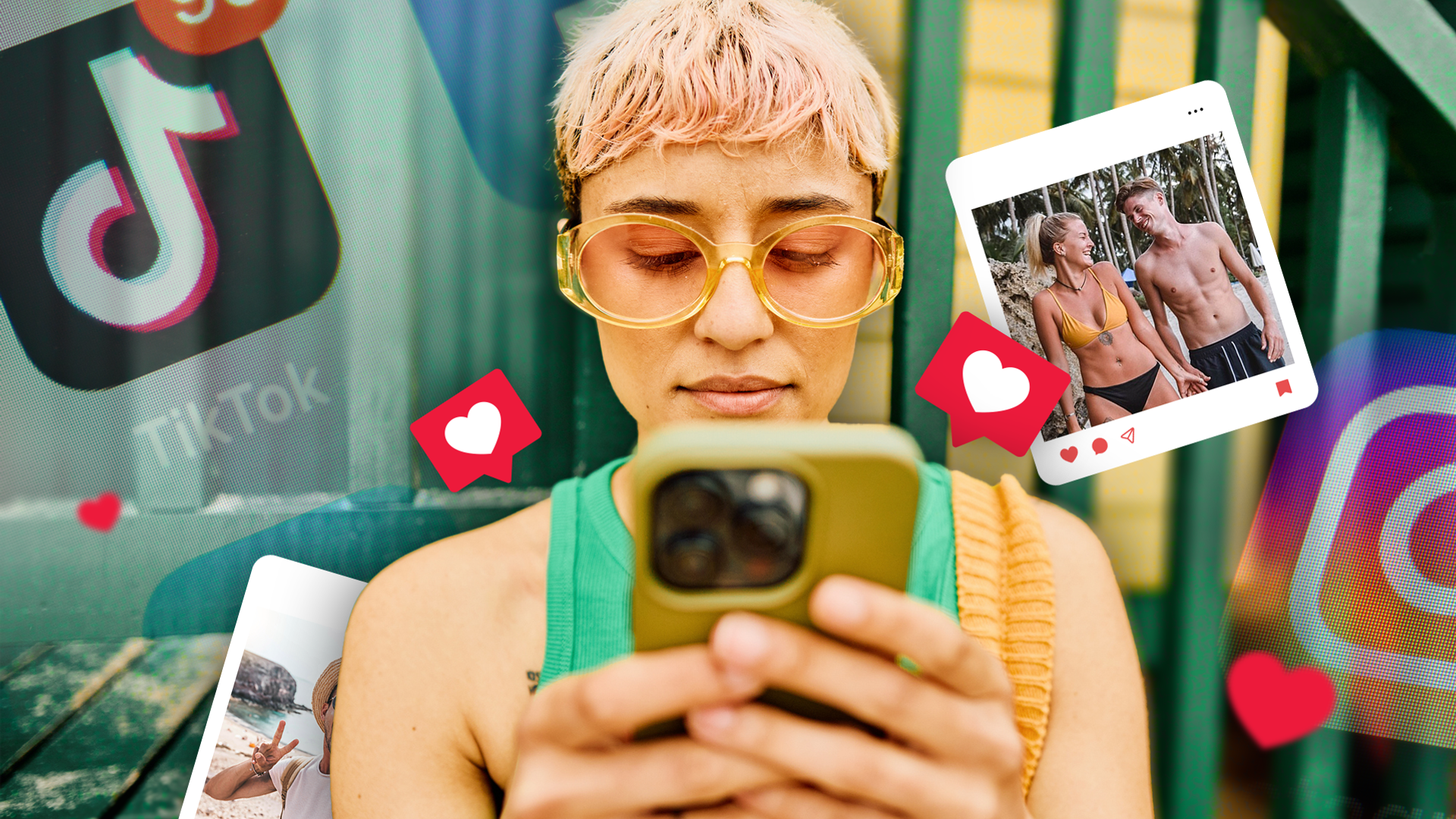
In today’s digital landscape, many individuals find themselves closely following the lives of people they’ve never met, from favorite artists to influencers encountered briefly at social gatherings. This phenomenon, particularly prevalent among those who are “chronically online,” creates a unique sense of familiarity with these figures, despite the absence of any real-life interaction. This intriguing dynamic is known as a parasocial relationship—a one-sided emotional bond formed with someone who does not reciprocate the connection.
The term “parasocial relationship” was first introduced by researchers in 1956, coinciding with the rise of television, which allowed viewers to feel as though they were engaging in face-to-face interactions with performers on screen. In contemporary society, this concept has evolved, becoming increasingly relevant in the context of social media influencers and podcasters, who often share intimate details of their lives online.
Dr. Veronica Lamarche, a social personality psychologist at the University of Essex, notes that unreciprocated relationships are not a modern invention. “Throughout history, there are numerous examples of individuals forming one-sided connections,” she explains. The essence of these relationships lies in the fact that all interactions occur through curated content, whether from a beloved TV show or a social media profile.
A recent study co-authored by Dr. Lamarche in 2024 revealed that while individuals still find their emotional needs best met by friends and family, they often value their connections with YouTubers and online personalities more than those with “real” acquaintances or colleagues. “Parasocial relationships are available whenever we need them,” Dr. Lamarche adds. “In the middle of the night, if you’re feeling down, you can turn to your favorite content creator for comfort, whereas it might not be appropriate to call a friend at that hour.”
**Influencer Experiences with Parasocial Relationships**
Charlie Pauly, a 34-year-old travel blogger, has firsthand experience with the complexities of parasocial relationships. He and his partner began documenting their travels in 2017, quickly becoming one of the UK’s most recognized Instagram travel couples. However, following their breakup in 2022, Pauly faced not only the emotional challenges of the separation but also the reactions of their invested followers.
“The thing with social media is that people crave depth and genuinely believe they know you,” Pauly shares. “I received a flood of supportive messages, but it quickly spiraled out of control. I got comments like, ‘I always knew she was gay’ and ‘he was definitely cheating on her’—none of which were true.” He recalls a recent encounter where a stranger approached him, reminiscing about their perceived relationship as a couple. “That’s a perfect example of a parasocial relationship. I don’t know this person, yet they felt comfortable sharing their thoughts with me.”
**Conclusion**
Parasocial relationships highlight the evolving nature of human connection in the digital age. As individuals increasingly turn to online personalities for companionship and emotional support, understanding the dynamics of these one-sided bonds becomes essential. While they can provide comfort and solace, it is crucial to recognize the limitations and boundaries inherent in these relationships.
**FAQ**
**What are parasocial relationships?**
Parasocial relationships are one-sided emotional attachments individuals form with media figures, such as influencers or celebrities, without any reciprocal interaction.