**Title:** Modi’s ‘Bankim Da’ Remark Sparks Cultural Debate in Bengal
**Meta Description:** PM Modi’s reference to Bankim Chandra as ‘Bankim da’ ignites political controversy in Bengal, prompting TMC leaders to demand an apology.
**URL Slug:** modis-bankim-da-remark-bengal-debate
**Headline:** PM Modi’s ‘Bankim Da’ Comment Triggers Political and Cultural Controversy in Bengal
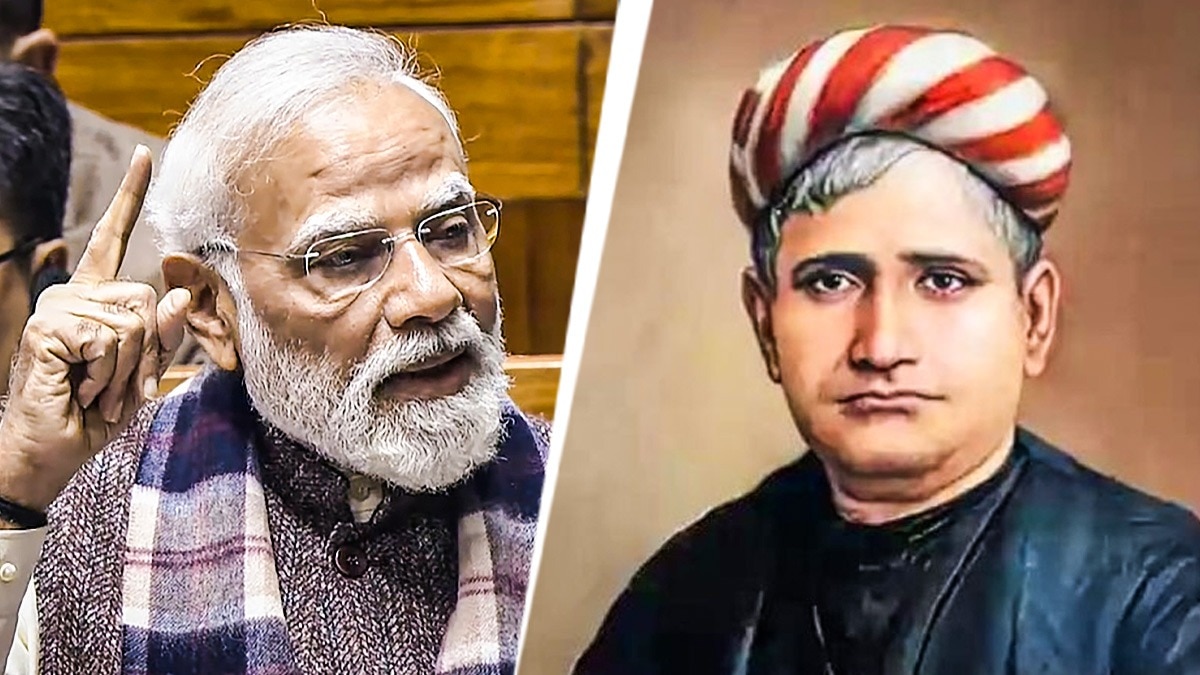
In a recent session of Parliament, Prime Minister Narendra Modi referred to the renowned Bengali writer Bankim Chandra Chattopadhyay, the author of the national song ‘Vande Mataram’, as ‘Bankim da’. This casual reference has ignited a political firestorm and cultural debate in West Bengal, particularly as the state approaches its assembly elections in 2026.
During the parliamentary discussion, Trinamool Congress (TMC) MP Saugata Roy quickly objected to Modi’s choice of words, suggesting that he should have used the more respectful term “Bankim Babu” instead. In Bengali culture, ‘da’ is a colloquial term derived from ‘dada’, meaning elder brother, and is typically used in informal, friendly contexts.
The exchange escalated further when Bengal Chief Minister Mamata Banerjee seized the opportunity to criticize the BJP, demanding an apology from the Prime Minister. At a rally, she expressed her discontent, stating that referring to a cultural icon like Bankim Chandra in such a casual manner was disrespectful. “It sounded as if someone was calling ‘Hari da’ or ‘Shyam da’. You should bow your head and ask for forgiveness from the people,” Mamata asserted.
This political clash is not surprising given the heightened rhetoric from the BJP aimed at undermining the Mamata-led TMC. However, the incident has also sparked a broader discussion about the cultural implications of using terms like ‘dada’ and ‘babu’ in Bengal.
**Understanding ‘Da’ and ‘Babu’ in Bengali Culture**
In colloquial Bengali, ‘da’ or ‘dada’ is an informal term used to address someone older in a friendly manner. In contrast, ‘babu’ is a more formal term, often used as a suffix for educated or respected individuals, such as doctors or professionals. It is important to note that this should not be confused with the ‘Babu culture’ of the early 19th century, which referred to a class of wealthy, educated individuals who indulged in luxury.
The concept of ‘dada’ is relatively modern, emerging in the early 20th century and often associated with a more rebellious spirit.
**Expert Opinions on the Matter**
Linguist and scholar Pabitra Sarkar emphasized that Bengalis typically refrain from using ‘da’ or ‘dada’ when addressing significant cultural figures like Bankim Chandra. “This kind of intimacy is slightly disrespectful. We usually refer to them simply by name,” Sarkar explained. He further elaborated that ‘dada’ implies a close relationship, and using it for revered personalities can be seen as inappropriate.
Sangeeta Sanyal, a professor of Bengali at Burdwan University, noted that contemporary ‘dada culture’ should not be conflated with the historical ‘babu culture’, highlighting the distinct differences between the two.
**Conclusion**
The controversy surrounding PM Modi’s remark reflects deeper cultural sensitivities in Bengal, particularly as the state gears up for elections. As political tensions rise, the discussion around respectful language and cultural icons continues to resonate with the public, illustrating the intricate relationship between language, respect, and identity in Bengali society.
**FAQ**
**Q: Why is PM Modi’s reference to Bankim Chandra as ‘Bankim da’ controversial?**
A: The term ‘da’ is seen as too informal and disrespectful when addressing significant cultural figures like Bankim Chandra, prompting objections from political leaders and cultural commentators in Bengal.