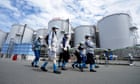
Over a decade after the catastrophic triple meltdown at the Fukushima Daiichi nuclear power plant, Japan is once again embracing nuclear energy as it seeks to meet its emissions targets and enhance energy security. A draft strategic energy plan set for cabinet approval this month indicates that the trade and industry ministry is moving away from efforts to reduce Japan’s dependence on nuclear power following the Fukushima disaster, which was the most severe nuclear incident since Chernobyl 25 years prior.
The new document omits previous references to “reducing reliance” on nuclear energy, instead advocating for a “maximization” of nuclear power, which is projected to contribute approximately 20% of the country’s total energy output by 2040, assuming that 30 reactors are fully operational by that time. The plan also anticipates that renewable energy will account for 40% to 50% of the energy mix, up from just under a third in 2023, while coal-fired power is expected to decrease from the current 70% to between 30% and 40%.
The initiative to restart reactors that have been offline since the tsunami triggered by a magnitude-9.0 earthquake has faced criticism from climate activists, who label it as both costly and hazardous. Aileen Smith, executive director of the Kyoto-based organization Green Action, argues, “Nuclear plants are not where the Japanese government should be investing its money. Many nuclear facilities are aging, and the technology they employ is even older. The expenses associated with retrofitting are substantial, making the operation of existing plants increasingly unviable.”
According to a recent study by the Yomiuri Shimbun, aging reactors—those at least 40 years old—constitute 40% of the global operational fleet, but only 20% in Japan. In contrast, 64 of the 94 reactors in the United States, or 68% of the total, will have been in operation for at least 40 years by the end of this year. However, Japan’s unique vulnerability to powerful earthquakes and tsunamis, similar to those that devastated Fukushima Daiichi, raises concerns about the safety of its nuclear facilities.
Smith emphasizes, “Earthquakes pose the greatest threat, affecting both old and new reactors. The more reactors in operation, the higher the risk. Retrofitting would require significant financial investment in aging reactors, while the government could allocate those funds to renewable energy instead.”
Officials argue that restarting reactors is essential to accommodate an anticipated rise in power demand, driven in part by AI-related data processing centers and semiconductor manufacturing, as well as to achieve net-zero emissions by mid-century. Nevertheless, activists warn that continuing to operate aging reactors could expose Japan to the risk of another major nuclear accident. Hisayo Takada from Greenpeace Japan states, “Aging in nuclear power plants is a highly complex issue that could fundamentally jeopardize the safety and integrity of a reactor.