**Title:** JNU: A Hotbed of Controversy Amid Anti-Modi Chants
**Meta Description:** JNU has become a focal point of political unrest with rising anti-Modi sentiments. Explore the implications of this growing dissent.
**URL Slug:** jnu-anti-modi-controversy
**Headline:** JNU Emerges as a Center of Political Dissent with Anti-Modi Chants
Jawaharlal Nehru University (JNU) has recently gained attention as a significant site of political unrest, particularly due to the emergence of anti-Modi chants among students. This situation has sparked discussions about the university’s role in shaping political discourse in India.
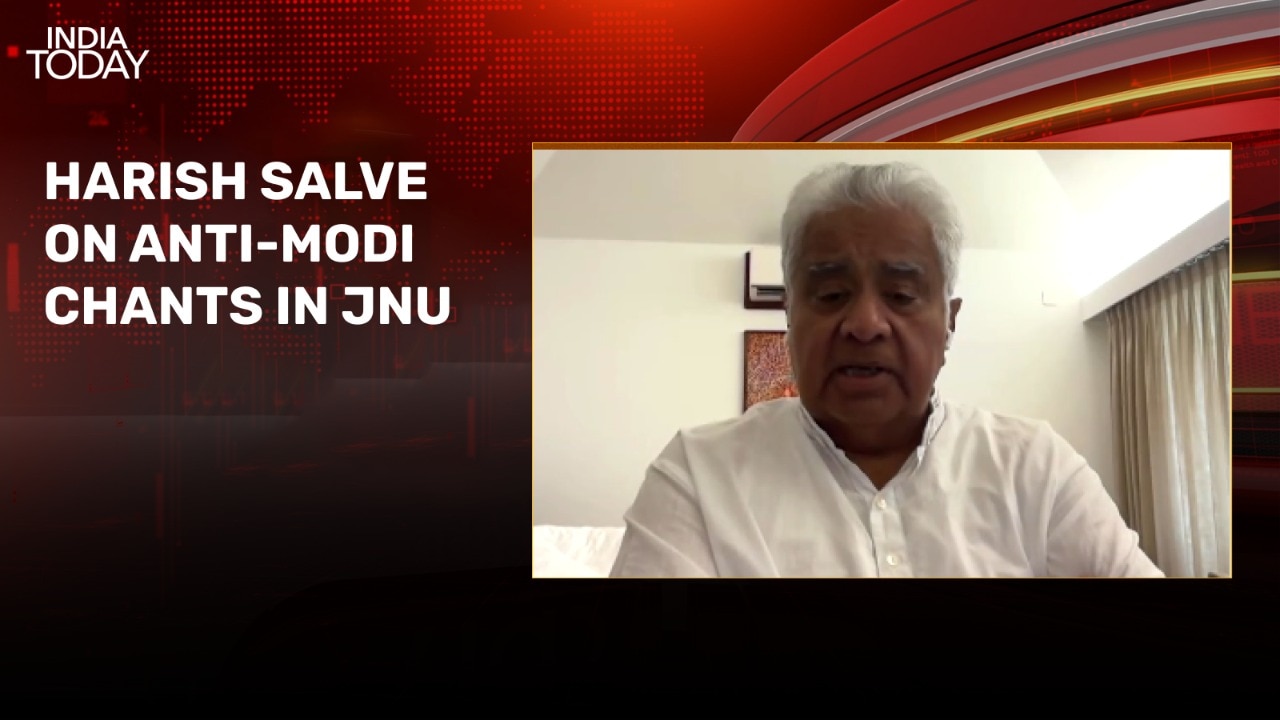
The protests at JNU, which have intensified in recent weeks, reflect a broader discontent with the current government led by Prime Minister Narendra Modi. Harish Salve, a prominent legal expert, has described the university as a “hornet’s nest,” highlighting the charged atmosphere and the potential for conflict that these protests represent.
The anti-Modi sentiments expressed by students are not merely spontaneous outbursts; they are indicative of deeper issues concerning governance, freedom of expression, and the political climate in India. The chants have resonated with many who feel marginalized by the government’s policies, leading to a significant mobilization of voices against the ruling party.
As the situation unfolds, it raises critical questions about the future of political activism in educational institutions and the implications for democracy in India. The university’s history of political engagement adds another layer to the current events, making it a focal point for both supporters and critics of the government.
In conclusion, JNU’s current state reflects a microcosm of the larger political landscape in India, where dissent is increasingly vocal and organized. The ongoing developments at the university will likely continue to influence political discussions and activism across the country.
**FAQ Section:**
**Q: What are the main reasons behind the anti-Modi chants at JNU?**
A: The anti-Modi chants at JNU stem from widespread dissatisfaction with government policies, perceived threats to freedom of expression, and a desire for political change among students.