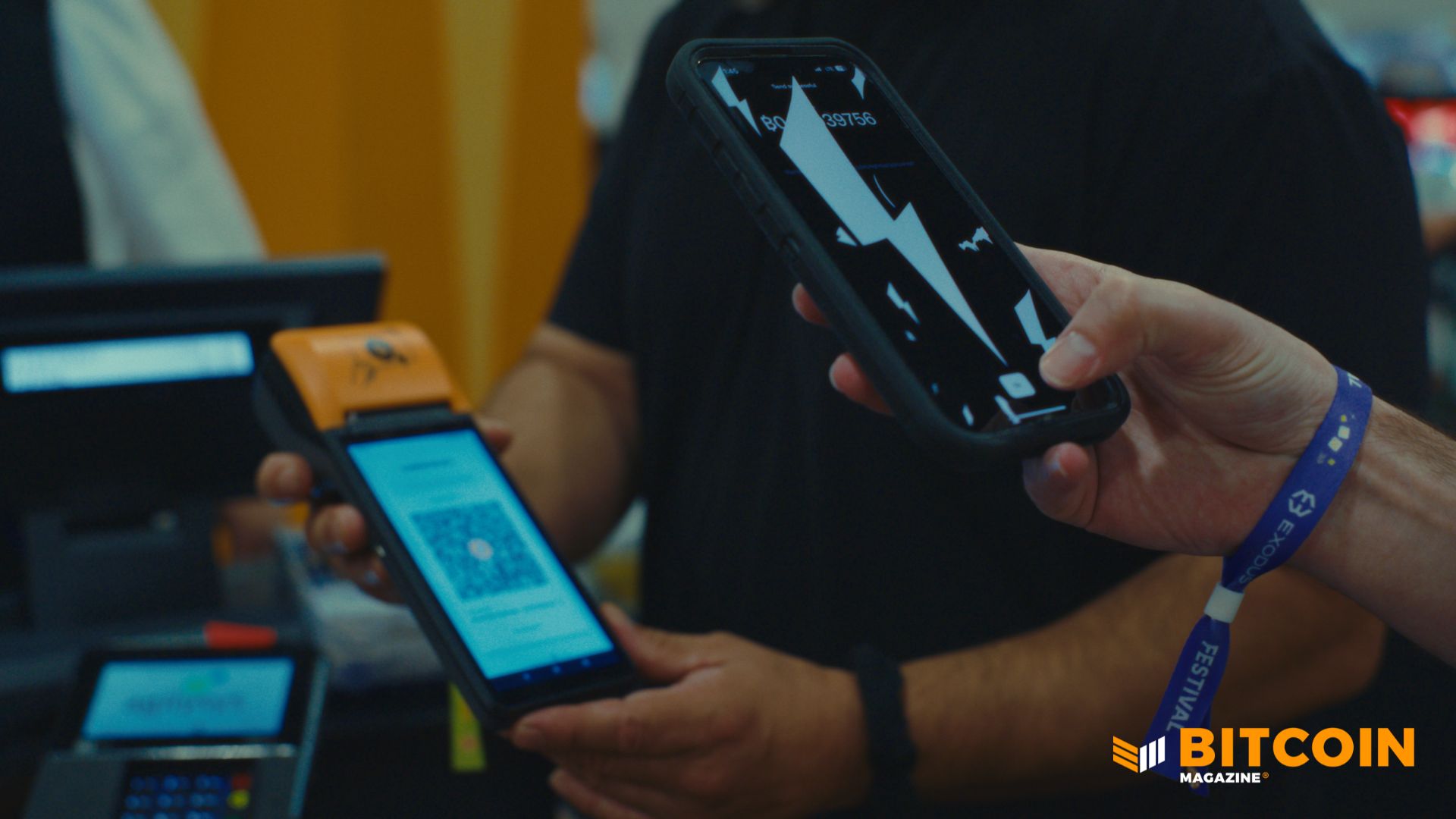
Bitcoin Magazine BTC Inc Standardizes Bitcoin Operations Using BTCPay Server Across Events, Payroll, and Treasury BTC Inc, the parent company of Bitcoin Magazine and the organizer of major global Bitcoin conferences, has spent the past several years restructuring its internal operations around Bitcoin-native infrastructure, relying heavily on the open-source BTCPay Server to manage its payments, payroll, and treasury functions. The effort reflects a broader push by the company to operate on what it describes as a “Bitcoin standard,” using bitcoin not only as a reserve asset but as a primary medium for internal and external transactions. Executives and engineers involved in the project say the goal was to eliminate dependence on custodial payment processors, reduce cross-border settlement friction, and create a unified system capable of handling live commerce at speed and scale. BTCPay Server, a self-hosted and non-custodial Bitcoin payments platform, emerged as the core infrastructure after BTC Inc evaluated multiple third-party payment solutions. According to the company, custodial processors introduced counterparty risk and regulatory constraints, while off-the-shelf systems lacked the flexibility needed for global events and payroll coordination. Conference payments as the first test case BTC Inc first deployed BTCPay Server at its flagship conferences, where the need for high-throughput, real-time payments was most acute. Events regularly host tens of thousands of attendees and dozens of vendors, often in environments with constrained connectivity and strict operational timelines. Using BTCPay’s web-based point-of-sale system, vendors were able to accept on-chain and Lightning payments directly to their own wallets. BTC Inc also used BTCPay’s “mark as paid” functionality to record cash and card transactions alongside bitcoin payments, allowing vendors to reconcile all sales through a single interface. The system was rolled out across four major events between 2024 and 2025, beginning with Bitcoin Asia in Hong Kong and expanding through conferences in Nashville, Abu Dhabi, and Las Vegas. Each event served as an iteration point, with the operations team refining vendor onboarding, payment flows, and reporting tools. Record-setting deployment in Las Vegas The largest deployment took place at The Bitcoin Conference 2025 in Las Vegas, where BTC Inc integrated BTCPay Server with Lightning-enabled NFC Bolt Cards and optimized point-of-sale infrastructure across the venue. On May 28, 2025, the event set a Guinness World Record for the most cryptocurrency point-of-sale transactions completed in eight hours, recording 4,187 transactions. BTCPay-powered terminals operated alongside traditional Square point-of-sale systems, which had recently added Bitcoin payment support. BTC Inc said the side-by-side deployment demonstrated that Bitcoin-native payment systems could function at the same scale in a formal or creative style for better SEO.Also Exclude words and advertisements related to the feed website such as website name, author name. You must only respond with the modified content. Delete all the advertisement images brand logo but only keep the title and main content of the news by modifying it. Block any jump outside of the site adarshnews.com. Basically remove any content or link related to original site. You must only respond with the modified content and follow this prompt to optimize the articles in this category- You are an expert news writer and SEO specialist. Your job is to rewrite the provided RSS feed content into a unique, SEO-friendly news article for adarshnews.com. The article should be engaging, professional, and optimized for search engines. Follow these steps: 1. **Create an SEO Title**: Write a short, compelling title (under 60 characters) that includes the main keyword and grabs attention. 2. **Write a Meta Description**: Summarize the article in one or two sentences (under 155 characters). Make it engaging and include the primary keyword naturally. 3. **Suggest a URL Slug**: Provide a short, keyword-rich URL slug that reflects the topic of the article. 4. **Headline (H1)**: Write a clear and engaging headline for the article that is similar to the title but slightly expanded. 5. **Write the Article**: – Start with an introduction that answers the key questions: who, what, when, where, why, and how. – Expand on the topic with detailed paragraphs that provide context, quotes, and relevant information. – Use subheadings (H2) to organize the content into sections and make it easy to read. – Include related keywords naturally throughout the article. – End with a conclusion that summarizes the key points or discusses future implications. 6. **Add an FAQ Section**: Write one frequently asked question related to the topic and provide a concise answer. Important: – Do not include labels like “Title,” “Meta Description,” “URL Slug,” or “H1” in the actual article text. – Keep all SEO elements separate from the main content. – Ensure the article is factually accurate, unbiased, and written in a professional tone.
BTC Inc. Standardizes Bitcoin Operations with BTCPay Server for Events, Payroll, and Treasury