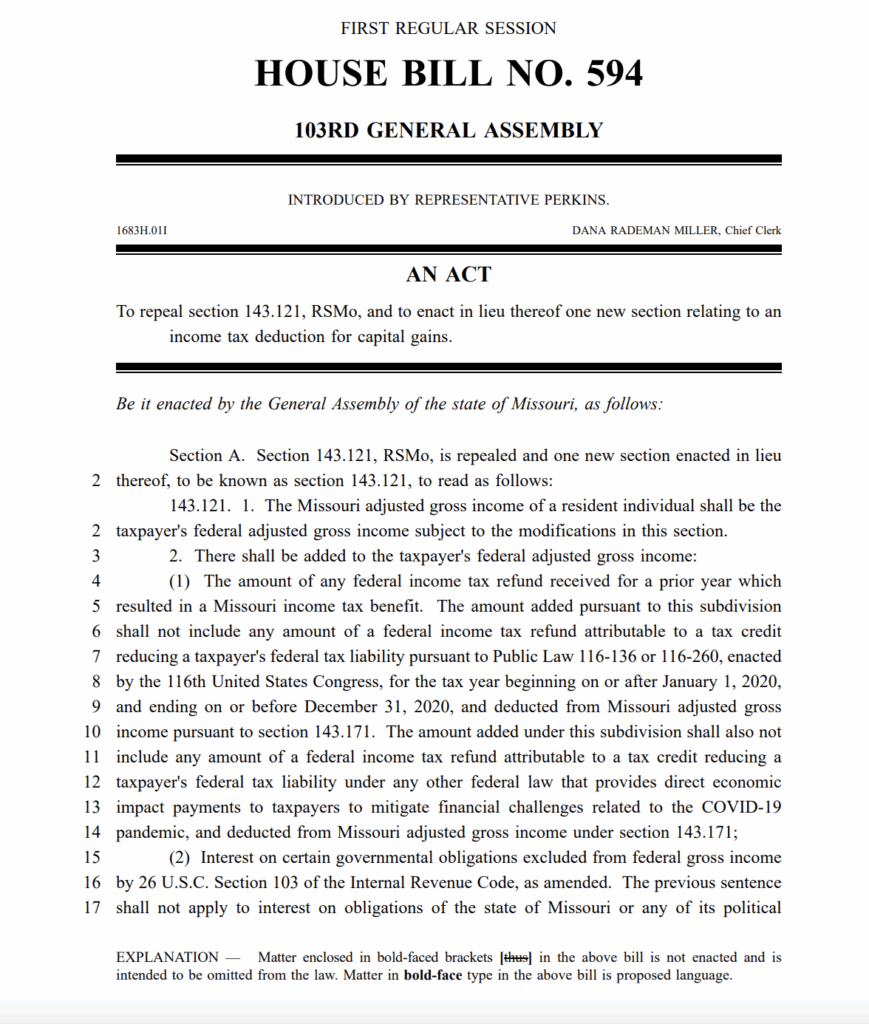
Last Tuesday, Congressman Nick Begich (R-AK) introduced The BITCOIN Act of 2025 to the U.S. House of Representatives. He made the announcement that he’d be doing so at the Bitcoin For America summit. The bill, a revised version of a bill that Senator Cynthia Lummis (R-WY) introduced to the Senate last year, stipulates that the United States government acquire 1 million bitcoin for its Strategic Bitcoin Reserve and protects the right of U.S. citizens to self custody their bitcoin.As Rep. Begich spoke about the importance of the bill at the summit, I got the impression that he was acting as more than just an opportunist, a politician simply striking while Bitcoin is a hot topic in the U.S. government, but as someone who actually has a deep understanding of Bitcoin.Turns out, I was right. The Congressman has held his own bitcoin in self custody for over 12 years now and very much understands the importance of U.S. citizens being legally permitted to do the same. Furthermore, he believes that in an age of “undisciplined bureaucracy” and reckless spending, it’s important for the U.S. government to hold bitcoin, as it will serve as a backstop to our financial system.On a personal level, when did you first begin to see the value in Bitcoin?In late 2012. I was reading an article on Slashdot.org regarding Bitcoin and the forthcoming halvening, and it piqued my interest. I started digging in a little further and decided that I wanted to learn more about how this digital asset worked. So, I wired the $100 over to Mt. Gox, and I bought seven bitcoin. Afterward, I transferred them over to a private wallet. I wanted to understand how Bitcoin worked, because I owned a software development company and spent 20 years in technology as a career before coming to Congress. This was just interesting to me.So, you were just fulfilling your curiosity?Yes, but also, a couple of days later, I called my business partners and told them that I thought bitcoin could become something really big. They had never heard of it. I said “I’m going to take $5,000, and I’m going to buy bitcoin.” I took that money from our software business and bought more bitcoin on Mt. Gox. We ended up with 440 bitcoin. So, when the exchange went under, of course it was a huge disaster, because all of that bitcoin was still on the exchange. A number of us who were creditors found each other and we put a group together to hire an attorney in Japan. We were one of the creditors that petitioned the courts successfully. Japan changed the bankruptcy type from a liquidation to a civil rehabilitation, which allowed creditors to receive a portion of their bitcoin back.Did you get some of it back then?Ultimately, I sold our company’s claim to Fortress. But I still hold my own original seven bitcoin.What was your impetus in introducing The BITCOIN Act to the House last week?For years, I’ve thought that the United States government should have a Strategic Bitcoin Reserve. The reason I believe
Meet Congressman Nicholas Begich, a pioneer in the Bitcoin movement.