**India Secures Custody of 26/11 Plotter Tahawwur Rana After 14-Year Battle**
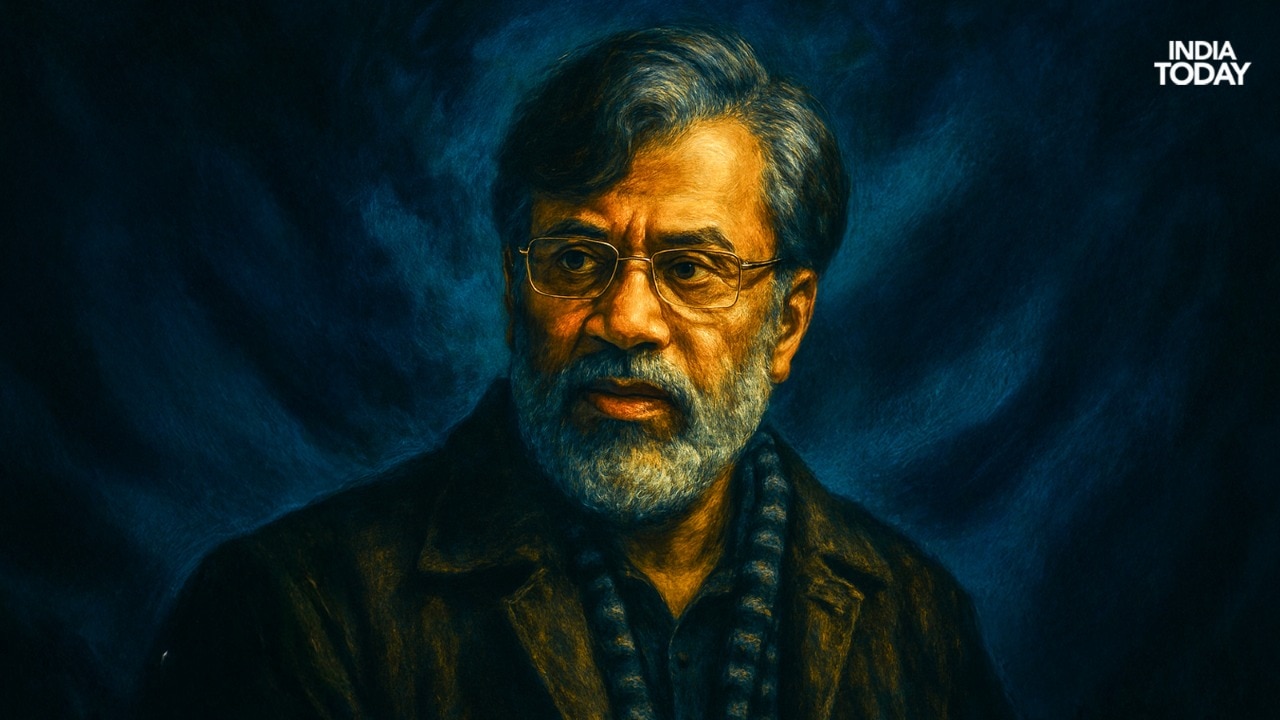
India celebrates a significant victory in its fight against terrorism as it gains custody of Tahawwur Rana, a key figure in the 2008 Mumbai terror attacks, following a prolonged 14-year diplomatic and legal struggle. Rana, a Pakistani-Canadian, is accused of providing logistical and financial support to the attackers, including David Headley, who is currently serving a 35-year sentence in the United States for his involvement in the attacks that resulted in over 160 deaths and more than 300 injuries.
On Thursday, a plane carrying Rana landed in India, escorted by officials from various Indian agencies, including the National Investigation Agency (NIA), which will prosecute him in an Indian court. This development comes after Rana exhausted all legal avenues in the U.S., culminating in the approval of his extradition by former President Donald Trump in February 2025, following the U.S. Supreme Court’s rejection of his final appeal.
Rana’s return to India is a pivotal moment in the nation’s quest for justice for the victims of the 26/11 attacks. Beyond delivering justice, experts believe that his custody sends a strong message regarding India’s commitment to combating state-sponsored terrorism, particularly from Pakistan.
**Rana’s Involvement in the 2008 Mumbai Attacks**
Tahawwur Rana, a former Pakistani Army doctor turned immigration consultant, is alleged to have aided the terrorist organization Lashkar-e-Taiba (LeT), which orchestrated the Mumbai attacks. His associate, David Coleman Headley, conducted reconnaissance in Mumbai, using Rana’s business as a cover to obtain visas and identify targets. Although Rana was acquitted of direct involvement in the attacks by a U.S. jury in 2011, he was convicted for providing material support to LeT and for plotting an attack in Denmark.
India’s extradition request for Rana, initiated in 2011, gained traction after President Trump labeled him “one of the very evil people of the world” during Prime Minister Narendra Modi’s visit to Washington.
**Implications of Rana’s Trial in India**
For the families of the victims and the nation affected by the 26/11 tragedy, Rana’s trial represents a long-awaited pursuit of accountability. Experts assert that this case signifies a crucial step toward justice. Professor Rajita Kulkarni, a survivor of the attacks, emphasized the importance of this moment, stating, “In the attacks that killed hundreds, including 22 children, I believe this marks another step toward justice. It’s a big win for India and a testament to the maturity of U.S.-India counter-terror cooperation.”
Rana is believed to possess critical evidence regarding Pakistan’s involvement in the attacks, which could further illuminate the complexities of international terrorism and its implications for regional security.
**Conclusion**
The extradition and impending trial of Tahawwur Rana not only serve to address the grievances of the victims’ families but also reinforce India’s resolve in its ongoing battle against terrorism. As the legal proceedings unfold, the case will likely have significant ramifications for India’s national security strategy and its diplomatic relations with Pakistan.
**FAQ**
**What is the significance of Tahawwur Rana’s extradition to India?**
Tahawwur Rana’s extradition is significant as it represents a crucial step toward justice for the victims of the 26/11 Mumbai attacks and underscores India’s commitment to combating terrorism, particularly state-sponsored terrorism from Pakistan.