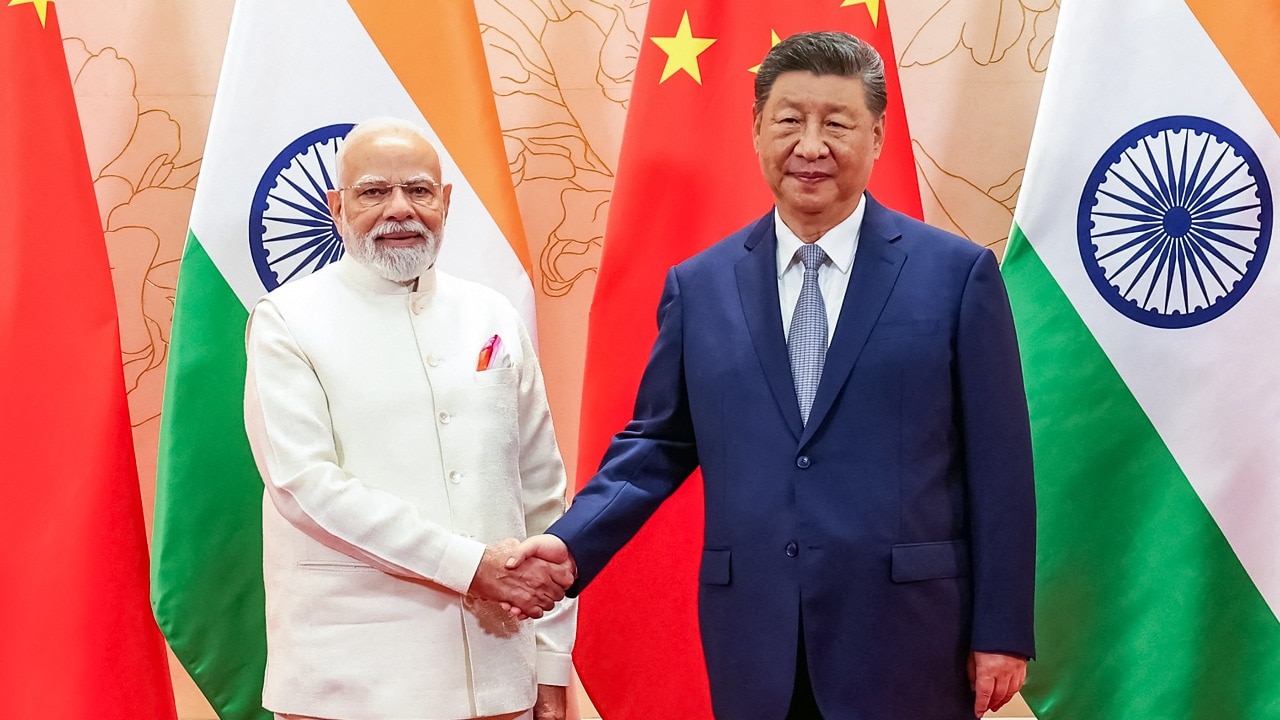
When PM Modi and Xi Jinping sipped coconut water and shared “heart-to-heart” conversations in the balmy breeze of Mamallapuram in October 2019, much was made of their bonhomie during that informal summit, a follow-up to Xi hosting Modi in Wuhan the previous year.“The dragon and the elephant dancing together is the only correct choice for China and India,” Xi said then. Pundits spoke of a new momentum and trust shaping in bilateral ties.advertisementEight months later, 20 Indian soldiers were killed in a clash with PLA personnel in the snowy Galwan Valley in Ladakh. The bloody confrontation ruptured the fragile rapprochement after the Doklam standoff and plunged ties to their lowest point in decades.Yet, politics makes strange bedfellows. Faced with a common adversary in the form of US President Donald Trump, PM Modi and Xi have once again sought to hit the reset button, find common ground and safeguard their interests.A CALCULATED HANDSHAKEOn Sunday, the two leaders met in China for the first time in seven years, on the sidelines of the SCO summit in Tianjin—just days after the US slapped an additional 25 per cent penalty on India for its Russian oil purchases, bringing total punitive tariffs to 50 per cent.PM Modi, dressed in white, beamed as he clasped Xi’s hand. The Chinese President, in a sharp suit, offered a studied smile, gazing at the cameras.Absent was Modi’s trademark bear hug, one he had reserved for Trump less than six months earlier when they met at the White House.Now, Delhi is facing the sting of Trump’s rebuke and higher tariffs. China too is under threat — 200 per cent tariffs if it doesn’t hand over rare-earth magnets to the US. Against this backdrop, the Modi-Xi handshake looked less like triumphal diplomacy and more like pragmatic rapprochement.TALK OF TRUST, NOT TARIFFSPublicly, there was no mention of Trump, Washington or tariffs, though the US remained the elephant in the room.Instead, the two leaders welcomed the “positive momentum and steady progress” in ties, insisting that they were partners, not rivals, and that differences should not become disputes.It was their first meeting in 10 months, following a breakthrough in Russia that had sparked a tentative thaw. Xi spoke of choosing friendship in a world “swept by once-in-a-century transformations” and “chaos”. PM Modi stressed strategic autonomy, cautioning against viewing India-China ties through the lens of a third country.The optics were carefully managed. Both sat across from each other, flanked by officials, though External Affairs Minister S Jaishankar was conspicuous by his absence.advertisementBut even as they committed to stability and cooperation, a quiet wariness remained. For all the talk of the “dragon” and “elephant” dancing, trust doesn’t come easy.TENUOUS GAINS, PERSISTENT FAULTLINESThe last major Modi-Xi meeting, in Russia’s Kazan in October 2024, came on the heels of disengagement at two friction points in eas in a formal or creative style for better SEO.Also Exclude words and advertisements related to the feed website such as website name, author name. Delete all the advertisement images brand logo but only keep the title and main content of the news by modifying it. You must only respond with the modified content. Block any jump outside of the site adarshnews.com. Basically remove any content or link related to original site. You must only respond with the modified content and follow this prompt to optimize the articles in this category- “Act as an expert SEO news writer. Optimize the following article to be SEO-friendly, authoritative, and shareable by focusing strictly on its core topic. Follow these steps: You are an expert news writer and SEO specialist. Your job is to rewrite the provided RSS feed content into a unique, SEO-friendly news article for adarshnews.com. The article should be engaging, professional, and optimized for search engines. Follow these steps: 1. **Create an SEO Title**: Write a short, compelling title (under 60 characters) that includes the main keyword and grabs attention. 2. **Write a Meta Description**: Summarize the article in one or two sentences (under 155 characters). Make it engaging and include the primary keyword naturally. 3. **Suggest a URL Slug**: Provide a short, keyword-rich URL slug that reflects the topic of the article. 4. **Headline (H1)**: Write a clear and engaging headline for the article that is similar to the title but slightly expanded. 5. **Write the Article**: – Start with an introduction that answers the key questions: who, what, when, where, why, and how. – Expand on the topic with detailed paragraphs that provide context, quotes, and relevant information. – Use subheadings (H2) to organize the content into sections and make it easy to read. – Include related keywords naturally throughout the article. – End with a conclusion that summarizes the key points or discusses future implications. 6. **Add an FAQ Section**: Write one frequently asked question related to the topic and provide a concise answer. Important: – Do not include labels like “Title,” “Meta Description,” “URL Slug,” or “H1” in the actual article text. – Keep all SEO elements separate from the main content. – Ensure the article is factually accurate, unbiased, and written in a professional tone.
A careful greeting: The Prime Minister and Xi convene to find shared interests between India and China.