**Title:** Pakistan’s Narrative Shift Post-Pahalgam Attack: A Diplomatic Response
**Meta Description:** Following the Pahalgam terror attack, Pakistani officials emphasized Kashmir over terrorism, while India’s diplomatic outreach faced criticism.
**URL Slug:** pakistan-narrative-pahalgam-attack
**Headline:** Pakistan’s Diplomatic Offensive After Pahalgam Terror Attack: A Focus on Kashmir
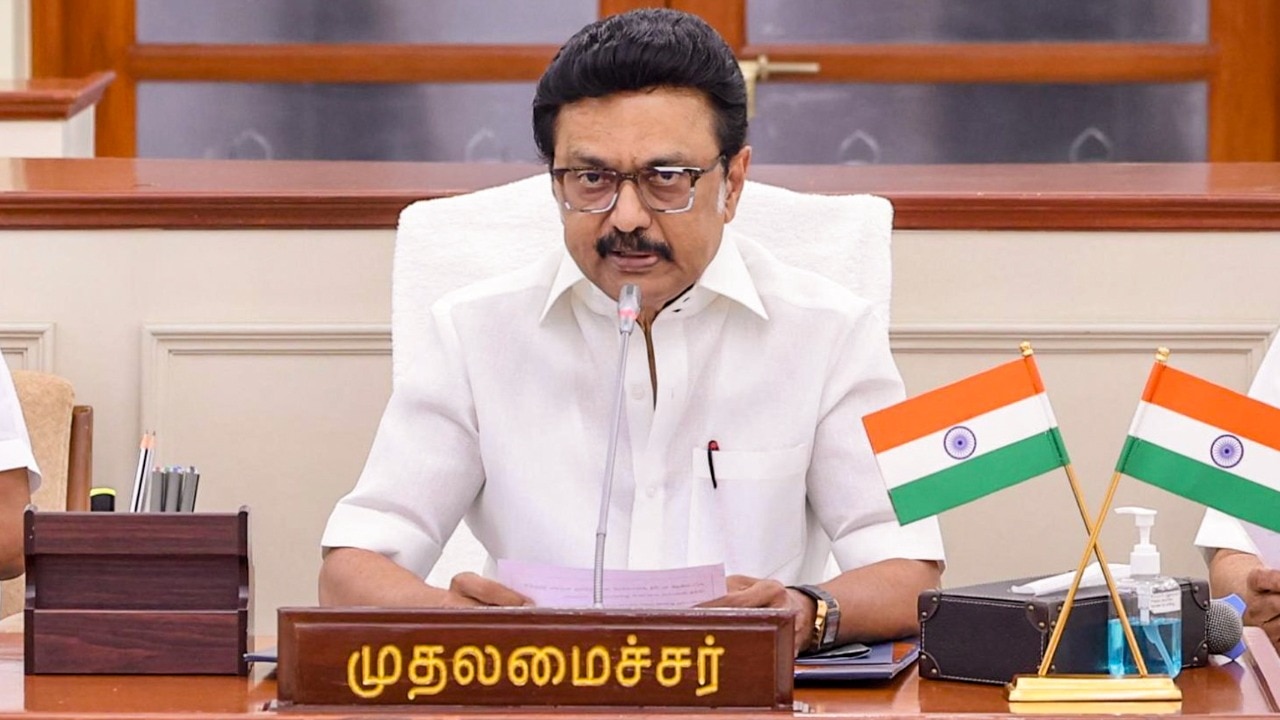
In the wake of the recent Pahalgam terror attack, top Pakistani ministers and diplomats have launched a strategic narrative campaign, asserting that the core issue between India and Pakistan is not terrorism but rather the Kashmir conflict. Prominent figures, including cabinet ministers Ishaq Dar, Khawaja Asif, and Attaullah Tarar, along with Pakistan Peoples Party (PPP) leader Bilawal Bhutto, participated in over 25 interviews across major international media outlets in the US, UK, Middle East, and Europe.
Despite India receiving significant international support following the attack, former diplomats have pointed out that India’s lack of presence in foreign media and insufficient communication efforts from its embassies between April 22 and May 7 allowed the Pakistani narrative to gain traction. Strategic commentator Brahma Chellaney noted that international media has been focusing on Kashmir rather than cross-border terrorism as the primary issue.
In response to the situation, India has resumed its diplomatic efforts by sending a bipartisan delegation of 59 Members of Parliament to key global capitals to address the ongoing challenge of Pakistan-sponsored terrorism. Former diplomats Rajiv Dogra and Anil Trigunayat have emphasized the need for a more proactive communication strategy from India.
To assess India’s effectiveness in conveying its message, the Open-Source Intelligence (OSINT) team analyzed the official X accounts of Indian embassies in 24 G20 countries, which collectively represent about 85% of the global GDP. While the Ministry of External Affairs (MEA) provided briefings to foreign envoys in New Delhi, the analysis revealed that many Indian embassies did not engage with local media or organize events to shape public opinion regarding the Pahalgam attack or the subsequent Indian strikes on terror camps in Pakistan.
**Effective Communication Strategy**
Embassies typically employ a multi-faceted approach to effectively communicate their messages. This includes briefing foreign offices, meeting with local ministers and politicians to garner support, and engaging with the public through media outreach. Organizing public events, such as prayer meetings or protest rallies, is also considered essential.
Rajiv Dogra, a former ambassador to Italy, highlighted the importance of media engagement, stating, “Appearing on TV and connecting with major newspapers and foreign affairs editors is crucial.” He further advised creating opportunities to address large gatherings, particularly within strong Indian communities or business sectors with ties to India, emphasizing the need for quick and effective responses.
**Conclusion**
The recent Pahalgam terror attack has reignited the longstanding narrative battle between India and Pakistan, with each side seeking to shape international perceptions. As India seeks to counter Pakistan’s narrative, a more robust and proactive diplomatic strategy will be essential in effectively communicating its stance on terrorism and regional stability.
**FAQ**
**Q: What was the main focus of the Pakistani narrative following the Pahalgam attack?**
A: The Pakistani narrative emphasized that the central issue between India and Pakistan is Kashmir, rather than terrorism, as part of their diplomatic outreach following the Pahalgam terror attack.