**Bangladesh Woman Granted Bail by Bombay High Court for Illegal Entry**
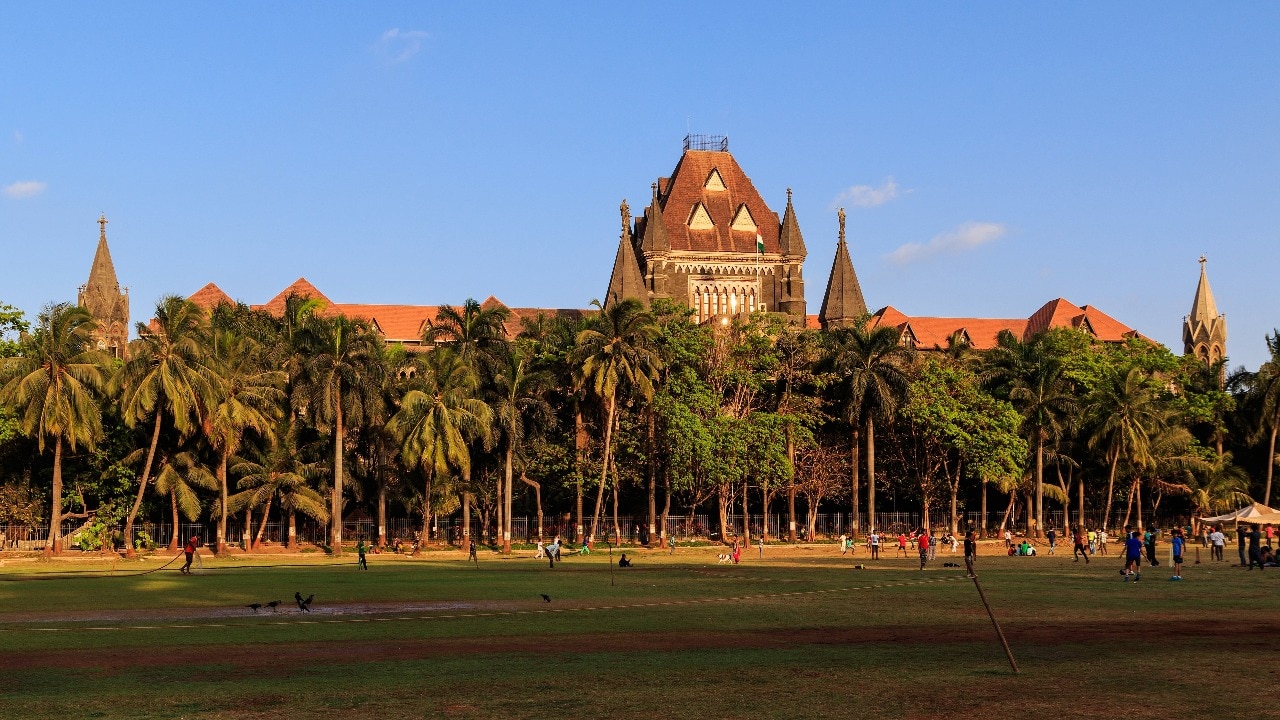
The Bombay High Court has granted bail to a Bangladeshi woman, Sabnam Suleman Ansari, who was arrested alongside her one-and-a-half-year-old child for allegedly entering India illegally. The court’s decision was based on the Maharashtra Police’s failure to present her before a magistrate within the legally mandated 24-hour period following her arrest.
Justice Milind Jadhav, while issuing the bail order, criticized the prosecution for neglecting fundamental legal procedures. He stated, “It is unfortunate that prosecution officers are indifferent to these elementary but statutory requirements regarding detention beyond 24 hours. The accused must be produced before a magistrate, and this breach of Section 50 of the Criminal Procedure Code, along with the violation of the applicant’s fundamental rights, is a serious matter that warrants immediate attention, even in a bail application.”
Ansari was apprehended on January 20, 2025, based on intelligence from a confidential informant. She was accused of residing in India without valid documentation and was charged under the Foreigners Act and the Passport (Entry into India) Act at the APMC Police Station. The prosecution claimed that she entered India through an unauthorized route from Bangladesh without proper travel documents and was caught during a patrol by officers acting on the informant’s tip-off. At the time of her arrest, Ansari was with her young son, and both were subsequently detained.
Defense attorneys Shubham Upadhyay and Aryan Kotwal argued that the allegations against Ansari were primarily based on a confession made to the police, asserting that she possessed several official documents proving her Indian residency. They highlighted that she had an Aadhar Card, PAN Card, Election ID Card, a confirmation of her Indian residence from the Gram Panchayat, a Ration Card, and a marriage certificate indicating her marriage to an Indian citizen, with whom she has lived for several years.
The defense also pointed out that Ansari was arrested at 12:30 PM on January 28, 2025, but was not presented before a magistrate until 4:30 PM on January 29, 2025, exceeding the 24-hour limit set by law. The court noted that the prosecution failed to justify this delay, stating, “The production of the Applicant beyond the permissible limit of 24 hours is a clear violation of the fundamental rights guaranteed under Articles 21 and 22 of the Constitution of India.” The court emphasized the importance of intervention in such cases by the bail court.
In conclusion, the Bombay High Court’s ruling underscores the necessity for law enforcement to adhere to legal protocols, particularly regarding the rights of individuals in custody. This case highlights the critical balance between national security and the protection of individual rights within the legal framework.
**FAQ**
*What are the implications of the Bombay High Court’s ruling on this case?*
The ruling emphasizes the importance of adhering to legal procedures in detention cases, reinforcing the protection of individual rights under the Constitution of India. It serves as a reminder for law enforcement agencies to comply with statutory requirements to avoid violations of fundamental rights.