


**Kashmir’s Culinary Scene Transforms Amid Meat Scandal**
**Meta Description:** Kashmir’s eateries are shifting from traditional meat dishes to vegetarian options following a meat scandal that has shaken the region’s culinary reputation.
**URL Slug:** kashmir-culinary-scene-vegetarian-shift
**Kashmir’s Culinary Scene Transforms Amid Meat Scandal**
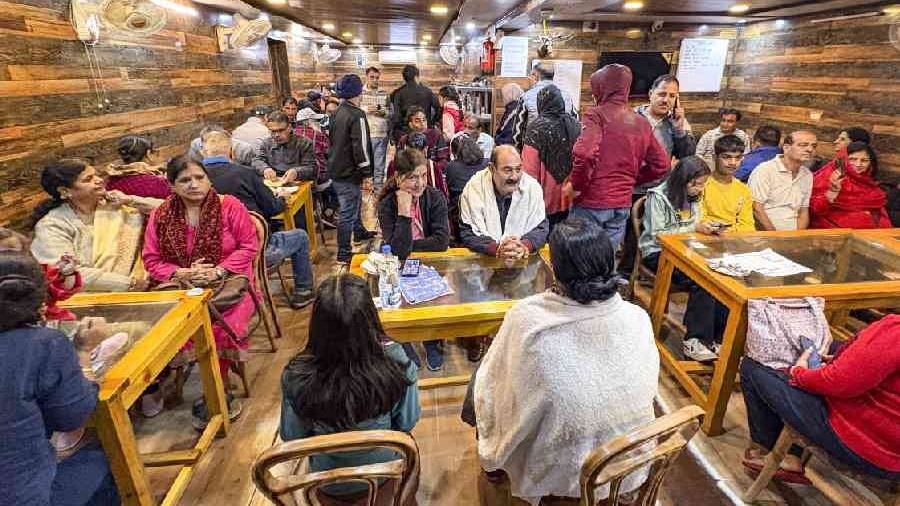
The culinary landscape of Kashmir is undergoing a notable transformation as restaurants and eateries pivot away from traditional meat dishes in response to a recent meat scandal. The iconic wazwan, a multi-course Kashmiri feast, is increasingly being replaced by vegetarian options such as dosas and rajma chawal. This shift comes after authorities seized large quantities of spoiled meat intended for distribution to local establishments, raising serious concerns about food safety.
Since early August, the Jammu and Kashmir Food and Drug Administration (FDA) has confiscated over 12,000 kg of expired fish and chicken, leading to widespread public outrage. Locals and tourists alike are now shying away from meat dishes, which has adversely affected hoteliers who were just beginning to recover from a downturn in business following the Pahalgam terror attack. The situation has escalated to the point where the J&K High Court has issued a notice to the Union Territory administration regarding the matter.
A hotelier in Srinagar shared, “After the rotten meat incident, people became reluctant to order meat dishes. We had to quickly introduce a vegetarian menu to retain customers and protect our staff’s livelihoods.” This trend is evident across popular tourist destinations in Kashmir, including Pahalgam, which is renowned for its meat delicacies like rogan josh and gushtaba. A guest house manager noted, “Earlier, we barely served vegetarian dishes. But now, we have curated authentic vegetarian menus like haak and nadru yakhni.”
The crackdown on spoiled meat began when an insider from the meat trade exposed how rotten meat was being smuggled from Delhi’s Ghazipur mandi, Asia’s largest livestock market, to Jammu and Kashmir. This operation is facilitated by a vast network spanning multiple states. According to the whistleblower, rejected mutton, chicken, and beef are collected in Ghazipur by what is referred to as the ‘meat mafia.’ These products are treated with chemicals to mask odors and enhance their appearance before being transported to J&K for sale to food business operators.
The revelations prompted the food department to conduct extensive raids on restaurants, dhabas, and roadside vendors, uncovering a far-reaching issue. Within days, thousands of kilograms of spoiled meat were recovered, often lacking proper labeling and disguised with synthetic colors to appear fresh. In recent weeks, decomposed meat has also been discovered in marshes and water bodies, as shopkeepers attempted to dispose of the evidence.
As the scandal unfolded, J&K Chief Minister Omar Abdullah convened a high-level meeting to address the crisis and implement measures to ensure food safety. The situation has left many in the region anxious about the integrity of their food supply and the future of Kashmir’s culinary heritage.
**FAQ**
**What led to the shift towards vegetarian dishes in Kashmir?**
The shift was primarily driven by a meat scandal involving the seizure of large quantities of spoiled meat, which caused public distrust in meat dishes and prompted restaurants to introduce vegetarian options to retain customers.


