**West Bengal Governor Visits Families Affected by Violence Over Waqf Law**
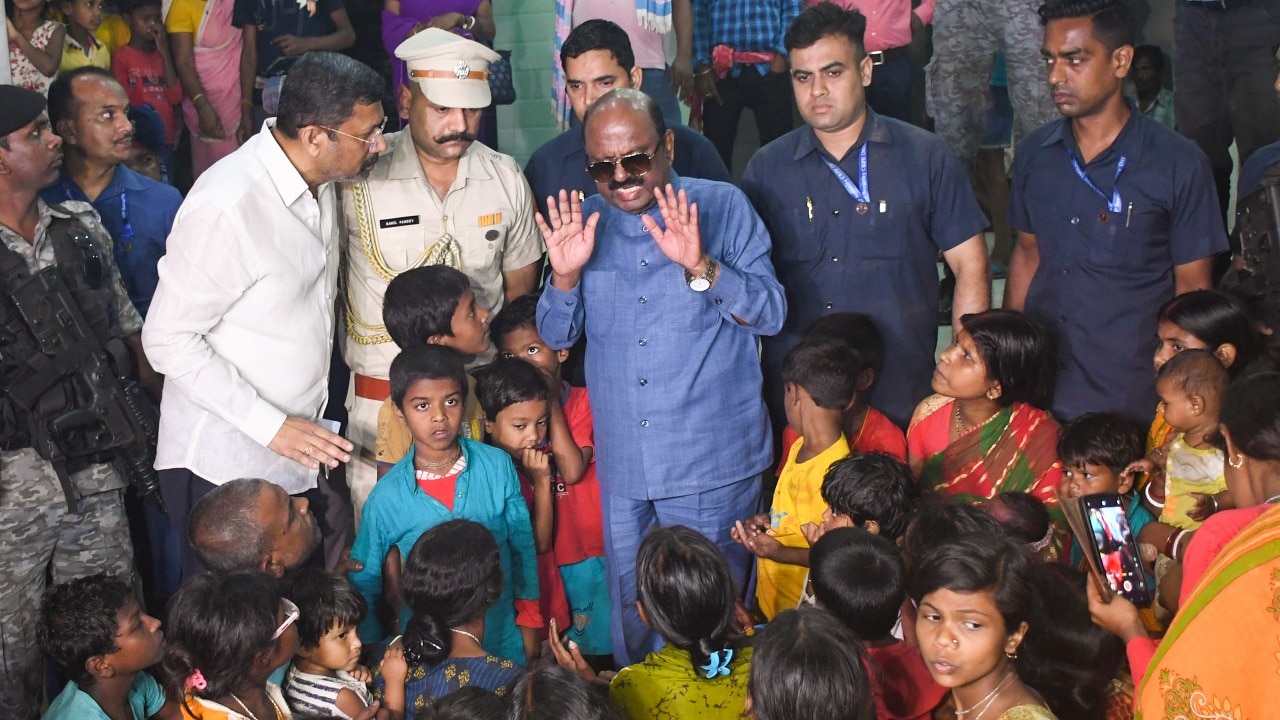
West Bengal Governor CV Ananda Bose met with the family of a father and son who were tragically killed by a mob during recent unrest related to the Waqf law. The violence, which erupted earlier this month, has left three people dead and many others affected in the Murshidabad and South 24 Parganas districts. During his visit, the Governor assured the grieving family of his support and pledged to raise the issue with the central government.
On the second day of his tour through the violence-impacted regions, Governor Bose visited several areas including Samsherganj, Dhulian, Suti, and Jangipur. Local residents, who have suffered due to the unrest, displayed banners calling for a permanent Border Security Force (BSF) camp in their communities.
The violence stemmed from protests against the Waqf law, which governs properties donated by Muslims. Reports indicate that numerous Hindu homes were vandalized, prompting many families to seek refuge in relief camps in nearby Malda. The bodies of Harogobindo Das, 70, and his son Chandan, 40, were discovered on April 11, both victims of multiple stab wounds. Authorities have arrested three individuals in connection with their murders.
During his visit, the Governor spoke with the victims’ family, who expressed their desire for a Central Bureau of Investigation (CBI) inquiry into the killings. An official reported that the family had to conduct the last rites themselves, as the local priest was too afraid to attend.
In addition to meeting the Das family, Governor Bose engaged with other affected individuals at a guest house in Farakka. He provided his personal phone number to victims, encouraging them to reach out directly with their concerns. “They want to feel secure, and I will take their suggestions to both the Centre and the state for appropriate action,” he stated.
Despite a public appeal from Chief Minister Mamata Banerjee to postpone his visit, the Governor proceeded to Malda, where he visited a temporary relief camp housing those displaced by the violence.
In a related development, a delegation from the National Commission for Women (NCW) also visited Murshidabad to meet with female victims of the unrest. NCW Chairperson Vijaya Rahatkar described the suffering of the affected individuals as “inhuman,” emphasizing the urgent need for an investigation into the violence.
As the situation continues to unfold, the Governor’s commitment to addressing the concerns of the victims and ensuring their safety remains a priority.
**FAQ**
**What prompted the violence in West Bengal related to the Waqf law?**
The violence was triggered by protests against the Waqf law, which regulates properties donated by Muslims, leading to unrest and tragic incidents, including the deaths of three individuals.