


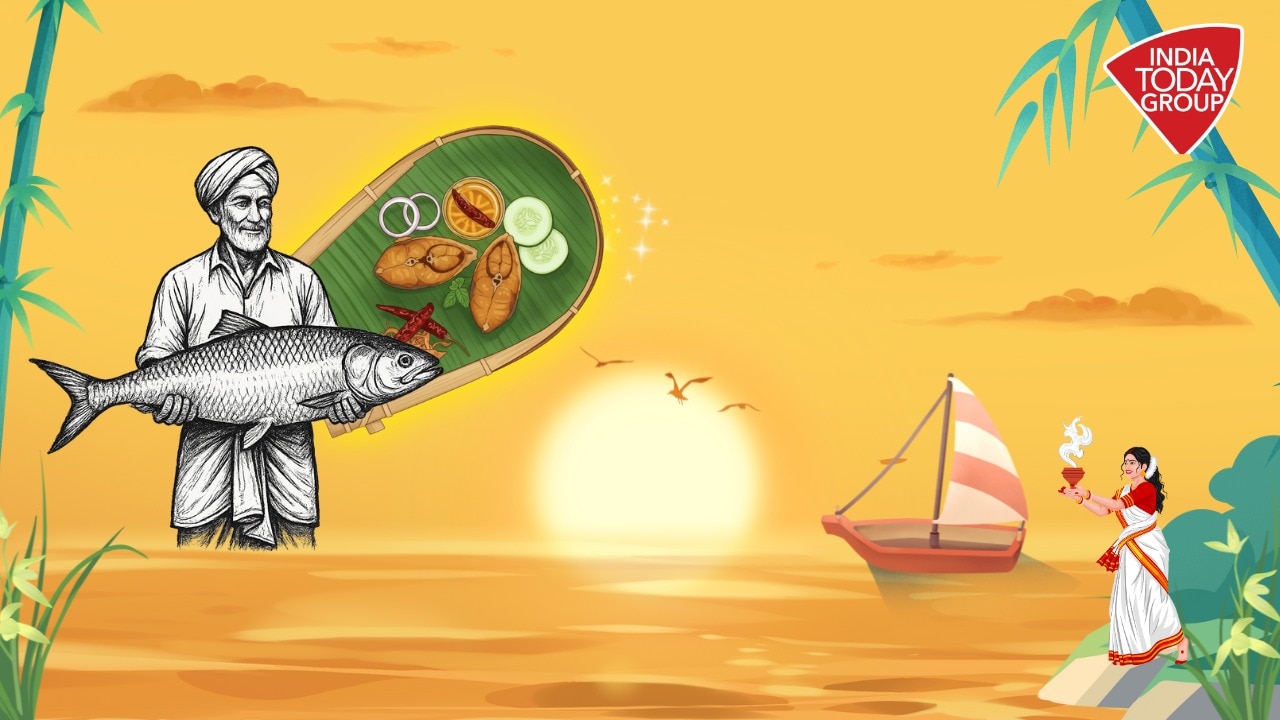
**Title:** Hilsa Fish Prices Surge: A Festival Staple Becomes a Luxury
**Meta Description:** Hilsa fish, a festival favorite in West Bengal, sees soaring prices and dwindling supplies, making it a luxury for many this season.
**URL Slug:** hilsa-fish-prices-surge-festival-luxury
**Headline:** Hilsa Fish: Once a Festival Staple, Now a Luxury Item for Many in West Bengal
The Hilsa fish, locally known as ilish, holds a significant place in the culinary and cultural landscape of West Bengal, especially as a traditional offering to Maa Durga during the Ashtami festival. However, this year, a combination of low supplies and rising prices has made this beloved delicacy unaffordable for many middle-class families.
Retail prices for Hilsa have nearly doubled over the past three years, escalating from approximately Rs 1,500 per kilogram to over Rs 2,500 this season, according to fish market vendors in Kolkata. This dramatic increase raises the question: why has this festival staple transformed into a luxury item?
The shortage of Hilsa has been exacerbated by a series of events, including a temporary ban on exports from Bangladesh during last year’s Durga Puja celebrations. Although around 3,000 tonnes were eventually allowed for export, the entire quota could not be imported. This year, importers are concerned that the limited time frame will hinder the full import of the 1,200 tonnes quota.
India’s reliance on Bangladesh for Hilsa imports has grown as local production declines due to various factors. Recently, at least 48 Indian fishermen were apprehended for allegedly crossing into Bangladeshi waters, likely in search of better catches of Hilsa.
Hilsa fish predominantly thrive in saline ocean waters but migrate to fresh or semi-saline river environments to spawn during the rainy season. This migration occurs in estuaries, where freshwater from rivers meets ocean saltwater, creating ideal conditions for fish reproduction. The fish travel upstream in the Padma and Ganga rivers, with those journeying the farthest believed to possess the best flavor profile, combining the essence of both sea and river.
However, changing water conditions have increasingly pushed Hilsa towards Bangladesh as it migrates upstream past Haldia and Kakdwip. The fish’s diet and environment during this journey contribute to its rich, oily flesh, making freshwater Hilsa a sought-after delicacy. The migratory process also triggers hormonal changes that enhance its fat content and unique flavor, blending the salty taste of the ocean with the sweetness of river water.
A recent study by the Central Inland Fisheries Research Institute (CIFRI) has highlighted a gradual decline in Hilsa catches within the Hooghly–Bhagirathi system in West Bengal. Further analysis by experts using remote sensing data indicates that most suitable areas for Hilsa production lie within Bangladesh, raising concerns about the future availability of this prized fish in Indian markets.
In conclusion, the rising prices and dwindling supplies of Hilsa fish reflect broader environmental and economic challenges. As this festival staple becomes increasingly out of reach for many, it raises important questions about sustainability and the future of traditional culinary practices in West Bengal.
**FAQ Section:**
**Q: Why are Hilsa fish prices increasing in West Bengal?**
A: Hilsa prices are rising due to low supplies, increased demand during festivals, and India’s growing dependence on imports from Bangladesh, where production is also declining.


