**Title:** Improving India-Pakistan Relations Key to Ending J&K Militancy
**Meta Description:** Farooq Abdullah emphasizes that lasting peace in Jammu and Kashmir hinges on better India-Pakistan relations.
**URL Slug:** india-pakistan-relations-jammu-kashmir-militancy
**Headline:** Farooq Abdullah: Peace in Jammu and Kashmir Tied to India-Pakistan Relations
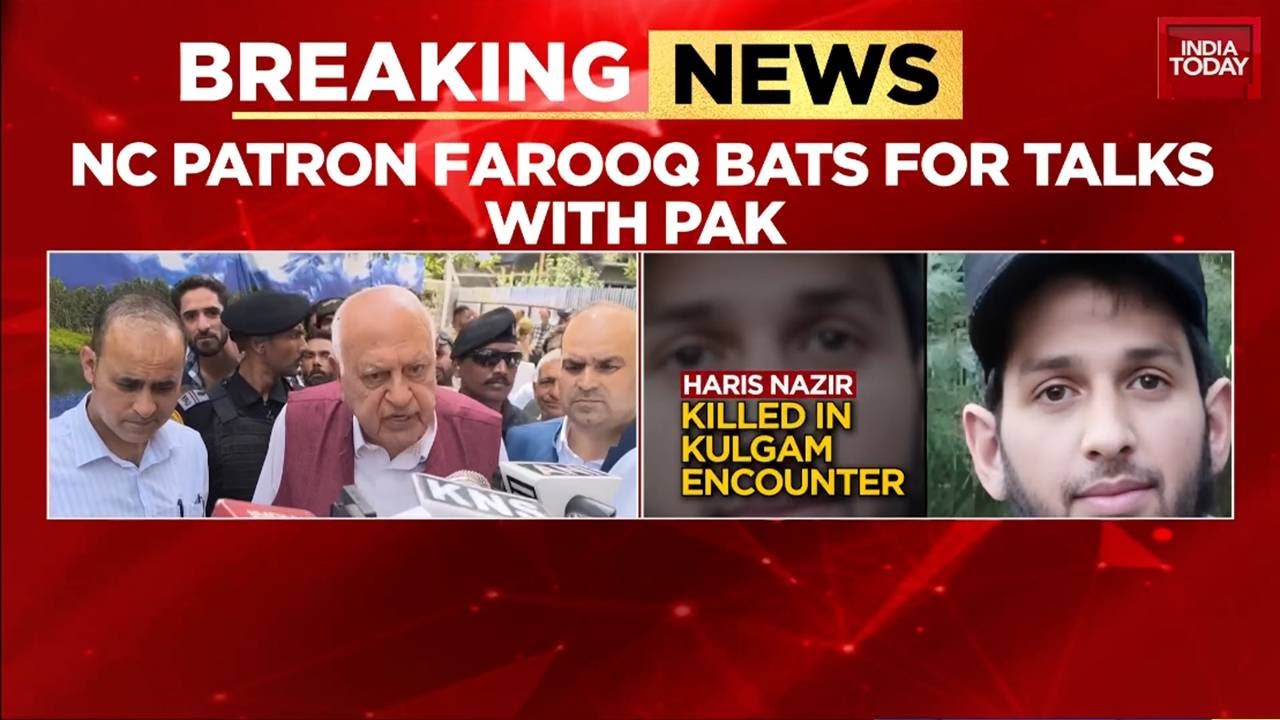
In a recent statement, Farooq Abdullah, a prominent political figure in Jammu and Kashmir, asserted that the ongoing militancy in the region will persist until there is a significant improvement in the relationship between India and Pakistan. This assertion highlights the complex interplay between regional stability and diplomatic ties.
Abdullah’s comments come amid ongoing tensions and sporadic violence in Jammu and Kashmir, a region that has long been a flashpoint between the two nations. He emphasized that without constructive dialogue and efforts to mend relations, the cycle of violence and unrest is likely to continue.
The former Chief Minister of Jammu and Kashmir pointed out that both countries must engage in meaningful discussions to address the underlying issues fueling militancy. He believes that fostering a peaceful environment is essential for the development and prosperity of the region.
The call for improved India-Pakistan relations is not new, but Abdullah’s remarks underscore the urgency of the situation. As the region grapples with the challenges of militancy, the need for diplomatic engagement becomes increasingly critical.
In conclusion, the path to lasting peace in Jammu and Kashmir may very well depend on the willingness of India and Pakistan to come together and resolve their differences. Only through dialogue and cooperation can the cycle of violence be broken, paving the way for a brighter future for the people of the region.
**FAQ Section:**
**Q: Why is improving India-Pakistan relations important for Jammu and Kashmir?**
A: Improved relations between India and Pakistan are crucial for reducing militancy in Jammu and Kashmir, as they can lead to constructive dialogue and address the root causes of conflict.