**India Plans Study to Optimize Water Use from Indus Rivers Amid Treaty Suspension**
The Indian government is set to conduct a study aimed at maximizing the utilization of water from the Indus, Jhelum, and Chenab rivers, following the suspension of the Indus Water Treaty. This decision was discussed during a high-level meeting led by Home Minister Amit Shah, which focused on the future of the 1960 treaty that has been put on hold after the tragic Pahalgam terror attack that claimed 26 lives.
Under the World Bank-mediated treaty, India has exclusive rights to the waters of the eastern rivers—Sutlej, Beas, and Ravi—amounting to an average annual flow of approximately 33 million acre-feet (MAF). Conversely, Pakistan is allocated the waters of the western rivers—Indus, Jhelum, and Chenab—totaling around 135 MAF. With the treaty currently suspended, the Indian government is exploring strategies to effectively utilize the water from these western rivers.
Following the meeting, Jal Shakti Minister C R Paatil emphasized the government’s commitment to ensuring that no water flows into Pakistan. He noted that Prime Minister Narendra Modi has issued several directives to this effect, and the meeting was convened to strategize their implementation. Paatil stated, “We will ensure that not a single drop of water flows into Pakistan from India.”
The government is reportedly developing a long-term plan to ensure the effective execution of its decisions regarding water management. An official revealed that the ministry has been tasked with conducting a study to explore methods for utilizing the water from the three western rivers.
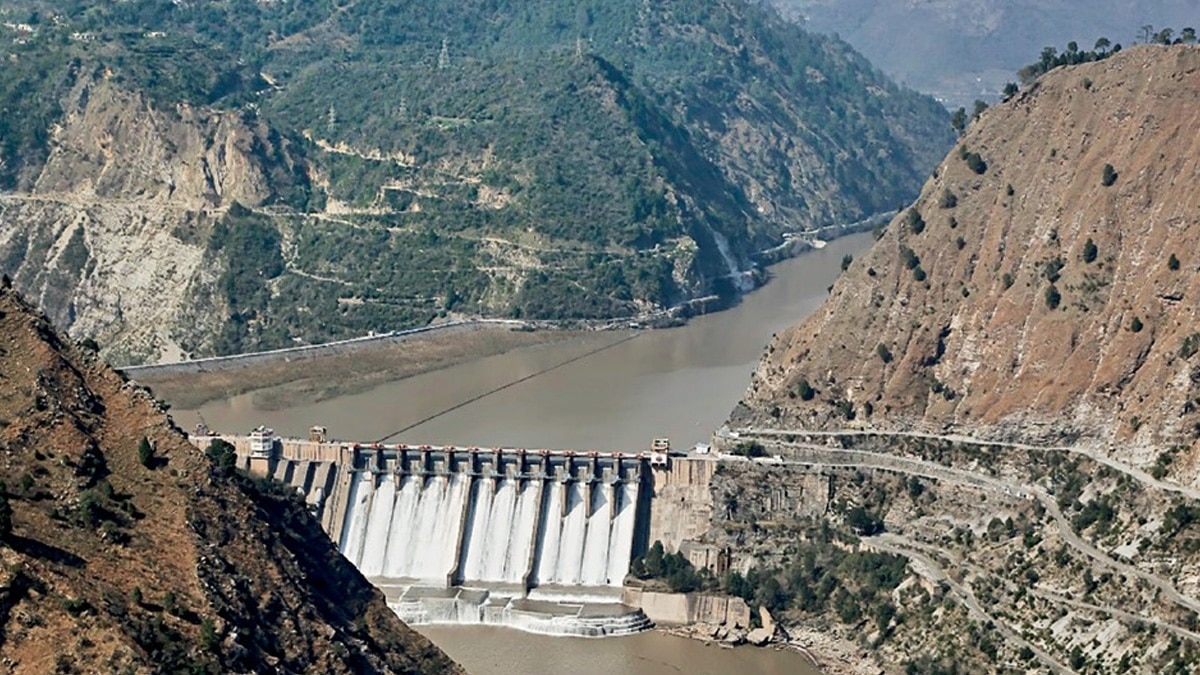
Experts have raised concerns about the existing infrastructure, which may hinder India’s ability to fully capitalize on the water resources available due to the treaty’s suspension. Himanshu Thakkar from the South Asia Network on Dams, Rivers and People (SANDRP) pointed out that infrastructure limitations currently prevent an immediate halt to water flows. He mentioned ongoing projects in the Chenab basin that will take five to seven years to complete, during which time water will continue to flow to Pakistan by gravity. Once these projects are operational, India will have the necessary control mechanisms in place.
Environmental activist Shripad Dharmadhikary also warned against the assumption that India could quickly divert water flows, highlighting the lack of major infrastructure needed to stop water from reaching Pakistan.
In response to India’s actions regarding the water-sharing agreement, Pakistan’s Senate has characterized the move as “an act of war,” indicating the heightened tensions surrounding this critical issue.
**FAQ**
**Q: What is the Indus Water Treaty?**
A: The Indus Water Treaty is a water-sharing agreement brokered by the World Bank in 1960, which allocates the waters of the Indus River system between India and Pakistan, granting India rights to the eastern rivers and Pakistan rights to the western rivers.