


**Title:** Indian Startup Digantara Thrives Amid Defence Innovation Surge
**Meta Description:** Digantara, co-founded by Anirudh Sharma, is revolutionizing India’s defence tech landscape, leveraging satellite intelligence for military applications.
**URL Slug:** digantara-india-defence-startup-success
**Headline:** Digantara: A Rising Star in India’s Defence Tech Landscape
In 2020, Anirudh Sharma, a computer science undergraduate with no aerospace background, co-founded Digantara, a company focused on gathering intelligence on satellite movements. Since its inception, Digantara has grown to employ 150 people across India, Singapore, and the United States, achieving a valuation exceeding $65 million. While this may seem modest by Western standards, it positions Digantara as a significant player in India’s burgeoning defence and aerospace startup ecosystem.
“The Indian defence-tech ecosystem is really buzzing right now,” states Suyash Singh, founder of GalaxEye, which specializes in satellite radar and imagery. This excitement is partly due to the broader evolution of India’s startup landscape, where venture capitalists and new billionaires are increasingly investing in sectors beyond consumer applications. The Indian government’s push for indigenisation has further bolstered defence-tech firms.
The recent escalation of conflict has also contributed to this surge in interest. Earlier this year, India faced a terrorist attack attributed to Pakistani militants, leading to air strikes in a campaign dubbed Operation Sindoor. This operation resulted in a four-day air-and-missile conflict, during which India’s advanced missiles performed admirably. However, the country’s air defences were challenged by drone saturation and the difficulty of distinguishing between real threats and decoys, as noted by Sameer Lalwani from the German Marshall Fund. This situation necessitated the use of costly interceptors against less expensive projectiles.
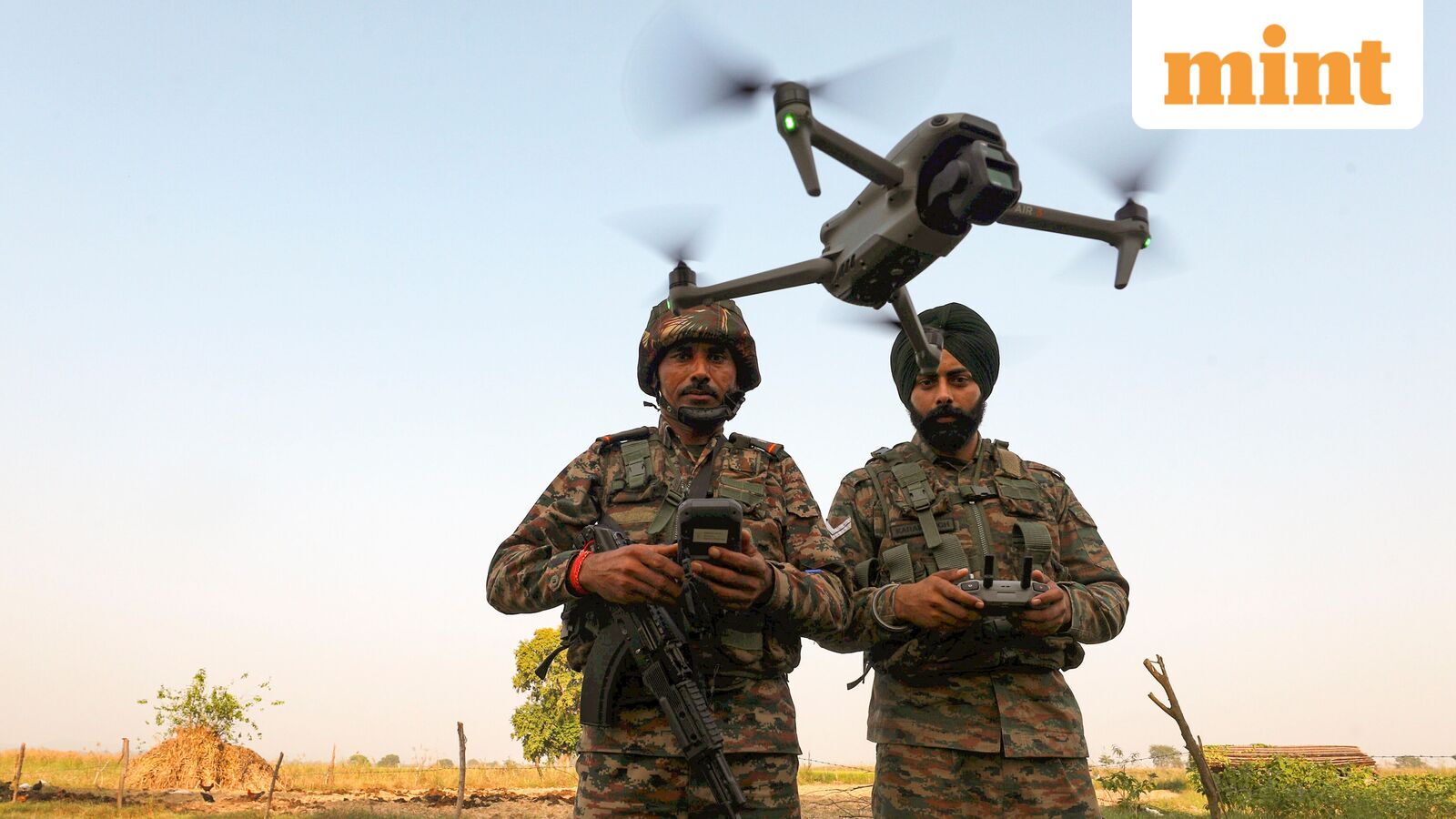
In the aftermath of the conflict, India initiated “emergency procurement” worth nearly $5 billion, which accounts for about 25% of its annual capital defence spending. A significant portion of this funding is aimed at replenishing ammunition, missiles, and interceptors used during the operation, alongside a renewed emphasis on innovation. The lessons learned from Operation Sindoor highlighted the need for improved drones and counter-drone technologies, areas where many startups, including Digantara, have a competitive edge over established defence firms like Tata, Kalyani, and Mahindra.
Intelligence, electronic warfare, and artificial intelligence are also key priorities for the Indian defence sector. Numerous startups have reported their contributions to the war effort, with some securing new investments as a result. Digantara, for instance, provided continuous reports to the armed forces, detailing the surveillance capabilities of Chinese and Pakistani spy satellites. The experience gained during Operation Sindoor has enabled Digantara to refine its services for military applications. “We had to change a lot of our features post-Sindoor,” remarks Sharma, noting a significant increase in the company’s defence-related revenues.
As the Indian defence landscape continues to evolve, startups like Digantara are poised to play a crucial role in shaping the future of military technology and innovation.
**FAQ Section:**
**Q: How has Digantara contributed to India’s defence efforts?**
A: Digantara has provided critical satellite intelligence to the Indian armed forces, enhancing their understanding of surveillance capabilities and improving military strategies during conflicts.


