**Shiv Sena’s Decline: Mahayuti Alliance Takes Control of BMC**
The political landscape of Mumbai has undergone a significant transformation as the Mahayuti alliance, led by the BJP, takes charge of the Brihanmumbai Municipal Corporation (BMC) after nearly three decades of Shiv Sena dominance. Historically, the Shiv Sena has ruled the BMC, often in coalition with other parties, but the recent elections signal a shift that may mark the end of the Thackeray family’s influence over the civic body, which has long served as a stronghold and a measure of their political relevance.
With a budget of ₹74,427 crore for the fiscal year 2025-26, the BMC stands out as India’s wealthiest municipal body, surpassing the annual budgets of several states, including Sikkim, Goa, and Himachal Pradesh. While the mayor’s role is largely ceremonial, the control of the BMC represents significant political power in Maharashtra.
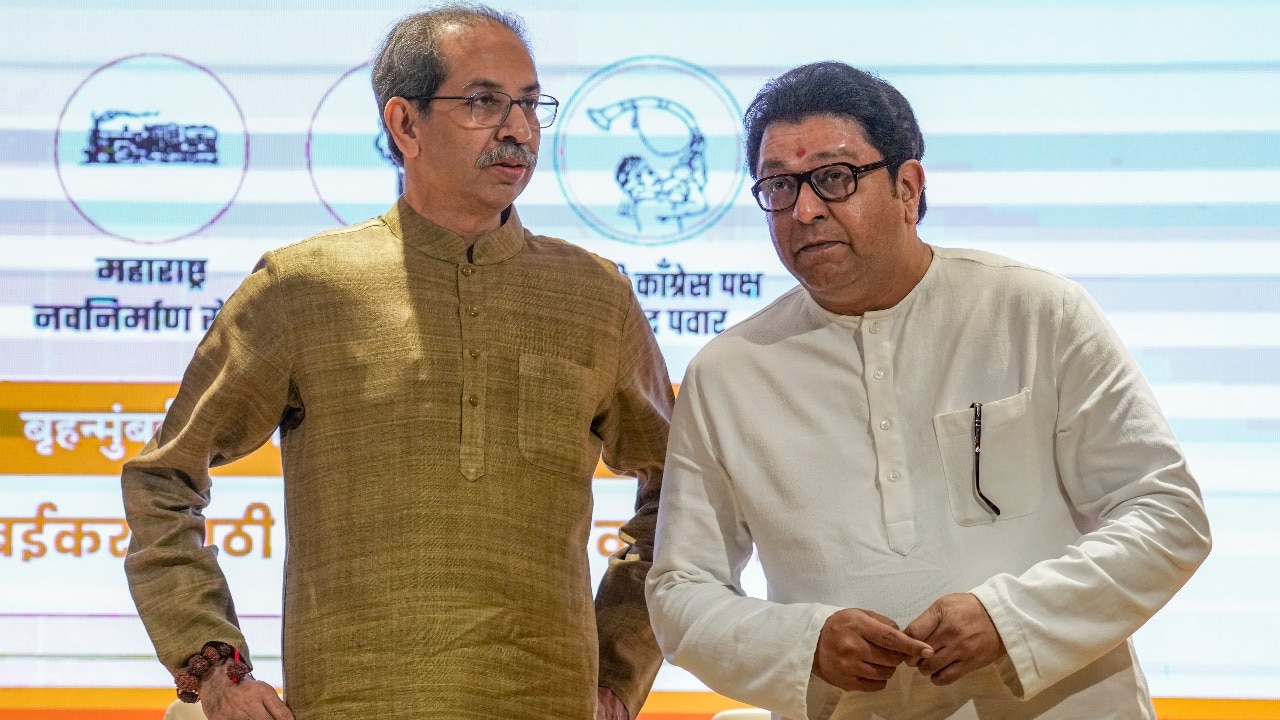
The Mahayuti alliance’s governance indicates a potential decline in the political relevance of the Thackerays. For Uddhav Thackeray’s faction of the Shiv Sena (UBT), formed after the party’s split in June 2022, the BMC elections were seen as a chance for resurgence. Similarly, Raj Thackeray’s Maharashtra Navnirman Sena (MNS), known for its aggressive rhetoric, aimed to capitalize on this opportunity.
In the final stages of the campaign, Raj Thackeray attempted to revive his party’s fortunes by invoking divisive slogans reminiscent of his uncle Bal Thackeray’s era. However, this strategy failed to resonate with voters, reflecting a shift in Mumbai’s political climate away from such tactics.
The MNS contested 52 wards but only secured six, achieving an 11% success rate. In contrast, the Shiv Sena (UBT) managed a 40% success rate, winning 66 of the 164 wards it contested. The BJP-led Mahayuti’s victory was not overwhelming, suggesting that a stronger performance from the MNS could have aided Uddhav Thackeray’s faction.
Despite efforts to rebrand and address community issues, Raj Thackeray’s reliance on outdated divisive politics did not align with the evolving sentiments of Mumbai’s electorate. The MNS’s track record is telling, with no seats in the 2024 Maharashtra Assembly, no Lok Sabha representation, and minimal influence in local politics over its two-decade existence.
Among the two cousins, Raj has often been perceived as the more dynamic leader. This election presented an opportunity for him to pivot towards more relevant issues, yet he chose to cling to a divisive narrative that no longer resonates with the city’s diverse population.
In conclusion, the shift in BMC governance reflects broader changes in Mumbai’s political dynamics, with the Thackerays facing a potential decline in influence as the Mahayuti alliance asserts its control.
**FAQ**
**Q: What does the shift in BMC governance mean for the Thackerays?**
A: The Mahayuti alliance’s control of the BMC suggests a decline in the Thackeray family’s political relevance, marking a significant change in Mumbai’s political landscape.