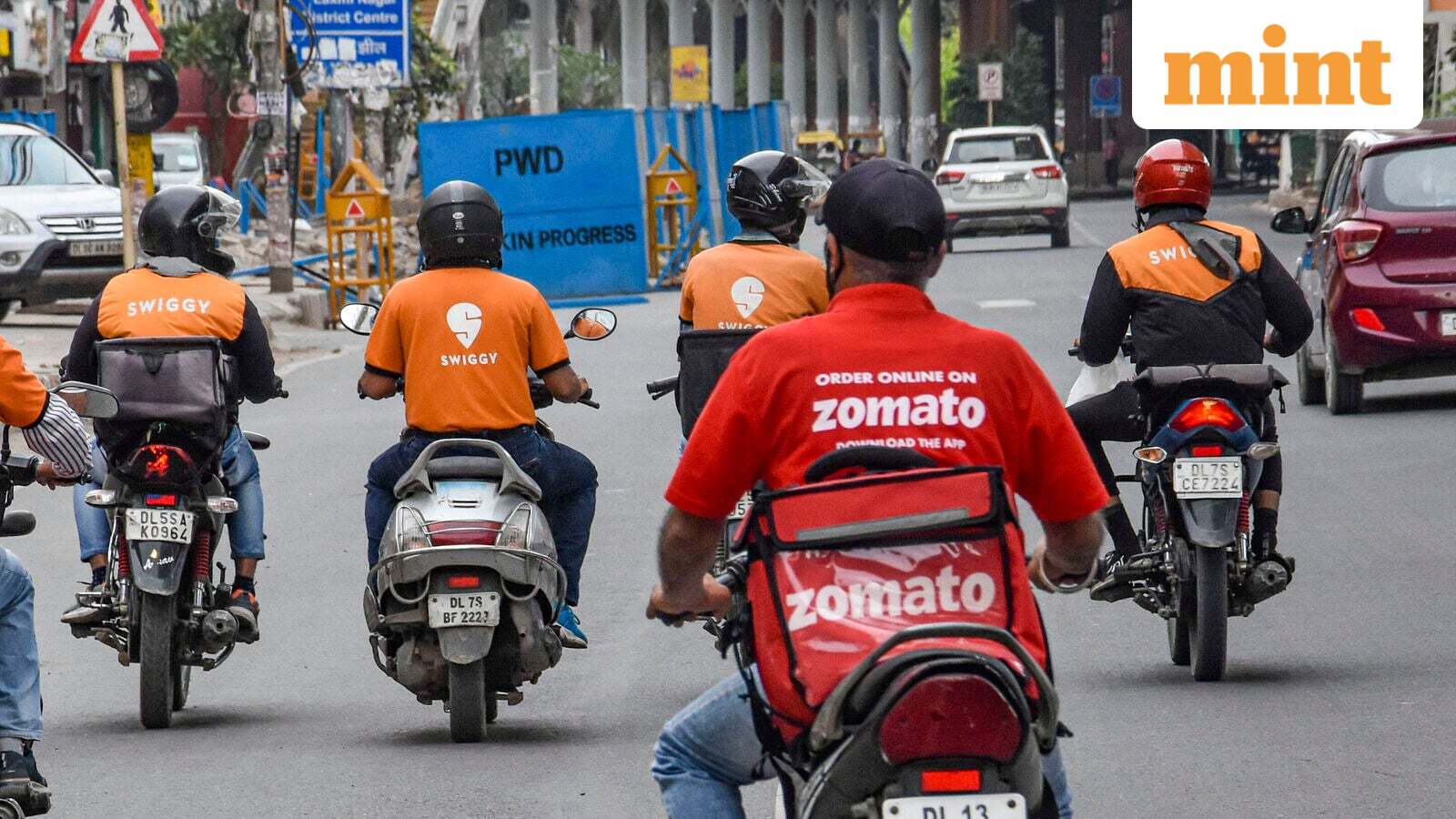
Indian e-commerce platforms like Swiggy, Zomato, and Blinkit are among other companies that will have to pay 18% goods and services tax (GST) on their delivery services under the revised GST regime effective 22 September 2025. Also Read | GST 2.0: Health insurance firms may raise policy tariffs — here’s whyThe central government’s GST Council, in its 56th meeting on 3 September 2025, announced that e-commerce and quick commerce platforms will have to pay 18% GST on delivery charges effective 22 September 2025, part of the revamped GST structure in the Indian economy.Even though this brings a change in the taxation system on delivery charges, which were earlier exempted, now the customers using these platforms are likely to pay more if the operators decide to hike delivery fees or platform charges.What are companies planning to do?According to multiple media reports, the e-commerce companies are evaluating their hit on the firm’s revenues due to the new GST impact and are likely to pass on the effect of the GST hike to the customers to prevent the losses in operations.Also Read | GST rate cut on insurance: Should you wait till September 22 to buy new policy?Industry experts are analysing the impact of this GST rate imposition, which will be felt directly by companies, as delivery charges are a major part of their core operations. However, some reports also suggest that people using the value-added services offered by these quick commerce and online delivery companies may not be impacted by the higher charges, as they already pay extra fees for premium access.“We would have no other option but to pass on that hit to customers, so you can expect delivery fees going up, or even delivery partner earnings taking a hit. The cost of food could also go up,” a senior executive at a food delivery company told the news portal Indian Express.Also Read | GST rationalisation: Auto sector to see on-road price drop by 2-9%, says reportHow much does the customer have to pay?If companies decide to pass on the effect of the 18% GST on delivery services to customers, then people may have to pay a higher tax on getting their items delivered to their doorstep.For example: A customer is ordering food worth nearly ₹500 from one of the Indian online food delivery platforms. The customer has already paid a restaurant GST of nearly ₹88, along with an almost ₹15 platform fee, inclusive of GST, on top of the packing charges.In case the companies decide to pass on the effect of the 18% GST on delivery services, then the people ordering online have to pay more for their delivery charges to their doorstep in the form of taxes.Also Read | GST Rate Cut: Impact on CPI inflation, fiscal deficit and RBI policyWhat did the GST Council recommend?In its 56th meeting, the GST Council recommended that ‘local delivery services’ through an Electronic Commerce Operator (ECO) will now be included under section 9(5) of the CGST Act, which was earlier exempted from this inclu in a formal or creative style for better SEO.Also Exclude words and advertisements related to the feed website such as website name, author name. You must only respond with the modified content. Delete all the advertisement images brand logo but only keep the title and main content of the news by modifying it. You must only respond with the modified content. Block any jump outside of the site adarshnews.com. Basically remove any content or link related to original site. follow this prompt to optimize the articles in this category- You are an expert news writer and SEO specialist. Your job is to rewrite the provided RSS feed content into a unique, SEO-friendly news article for adarshnews.com. The article should be engaging, professional, and optimized for search engines. Follow these steps: 1. **Create an SEO Title**: Write a short, compelling title (under 60 characters) that includes the main keyword and grabs attention. 2. **Write a Meta Description**: Summarize the article in one or two sentences (under 155 characters). Make it engaging and include the primary keyword naturally. 3. **Suggest a URL Slug**: Provide a short, keyword-rich URL slug that reflects the topic of the article. 4. **Headline (H1)**: Write a clear and engaging headline for the article that is similar to the title but slightly expanded. 5. **Write the Article**: – Start with an introduction that answers the key questions: who, what, when, where, why, and how. – Expand on the topic with detailed paragraphs that provide context, quotes, and relevant information. – Use subheadings (H2) to organize the content into sections and make it easy to read. – Include related keywords naturally throughout the article. – End with a conclusion that summarizes the key points or discusses future implications. 6. **Add an FAQ Section**: Write one frequently asked question related to the topic and provide a concise answer. Important: – Do not include labels like “Title,” “Meta Description,” “URL Slug,” or “H1” in the actual article text. – Keep all SEO elements separate from the main content. – Ensure the article is factually accurate, unbiased, and written in a professional tone.
Orders from Zomato, Swiggy, and Blinkit may see a price increase due to an 18% GST being applied to delivery services. This is the information we have gathered so far.