**NFL Analytics Debate: Mark Schlereth’s Take on Metrics in Football**
**Meta Description:** Former NFL player Mark Schlereth critiques the reliance on analytics in football, emphasizing the importance of traditional understanding of the game.
**URL Slug:** nfl-analytics-debate-mark-schlereth
**Headline:** Mark Schlereth Critiques NFL’s Growing Reliance on Analytics
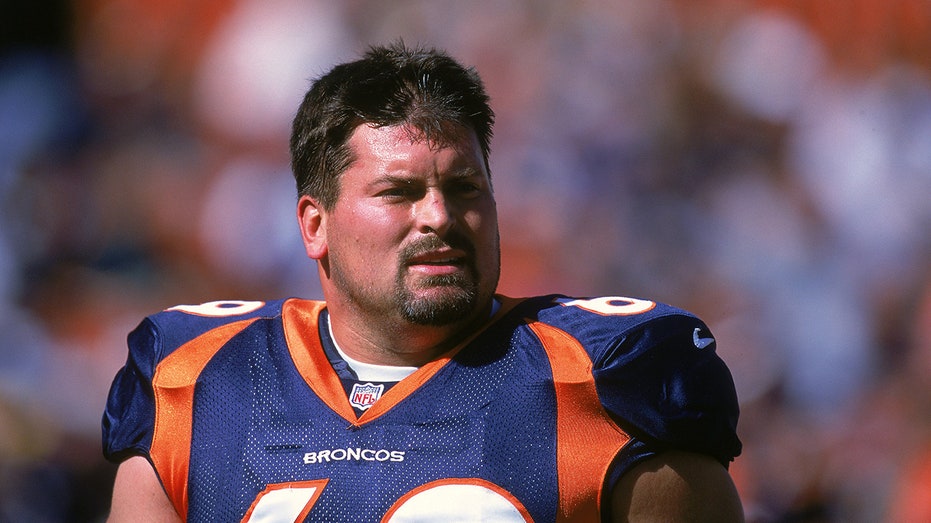
In recent years, the use of advanced metrics in the NFL has sparked considerable debate among players, analysts, and fans alike. Three-time Super Bowl champion and FOX Sports NFL analyst Mark Schlereth, who played in an era before analytics became prevalent, has voiced his strong disapproval of the increasing reliance on these metrics. During a recent appearance on OutKick’s “Don’t @ Me w/ Dan Dakich,” Schlereth expressed his concerns about how analytics are often treated as gospel by fans and analysts.
Schlereth pointed out that while numbers can be manipulated to support various narratives, the average fan may not fully grasp the complexities of the game. He criticized the tendency of some analysts to present metrics, such as “air yards per target,” as definitive truths, suggesting that this can mislead fans who lack a deep understanding of football dynamics. “You can make those numbers say whatever you want,” he stated, emphasizing the potential for misinterpretation.
As of last season, all 32 NFL teams employed analytics staff members, reflecting the growing importance of data in decision-making processes. An anonymous survey conducted by ESPN in 2024 revealed varying degrees of reliance on analytics among teams. The Cleveland Browns emerged as the franchise most committed to integrating analytics into their football operations, largely due to the influence of general manager Andrew Berry, who holds a master’s degree in computer science from Harvard. Berry collaborates with Paul DePodesta, the Browns’ chief strategy officer, who has a background in Major League Baseball and was featured in the film “Moneyball.”
Schlereth recounted a specific instance where he engaged in a heated discussion about the merits of going for two-point conversions. He challenged the notion that teams should always opt for this strategy, highlighting that during his playing days, teams typically prepared only two specific two-point plays for each game. He argued that those advocating for analytics often lack a comprehensive understanding of the game, its strategies, and the nuances of practice.
In Schlereth’s view, analytics can often be “fluff,” serving more to inflate the importance of analysts than to provide genuine insights into the game. He concluded that while data can play a role in football, it should not overshadow the traditional knowledge and experience that players and coaches bring to the field.
As the NFL continues to evolve, the debate over the role of analytics versus traditional football wisdom is likely to persist, raising questions about how teams will balance data-driven decisions with the invaluable insights gained from years of experience on the field.
**FAQ:**
**Q: How are NFL teams using analytics in decision-making?**
A: NFL teams employ analytics to inform various decisions, from player evaluations to game strategies, with some teams, like the Cleveland Browns, integrating it more deeply into their operations.