**Tahawwur Rana Confesses Role in 26/11 Terror Attack, Exposes Pakistani Military Involvement**
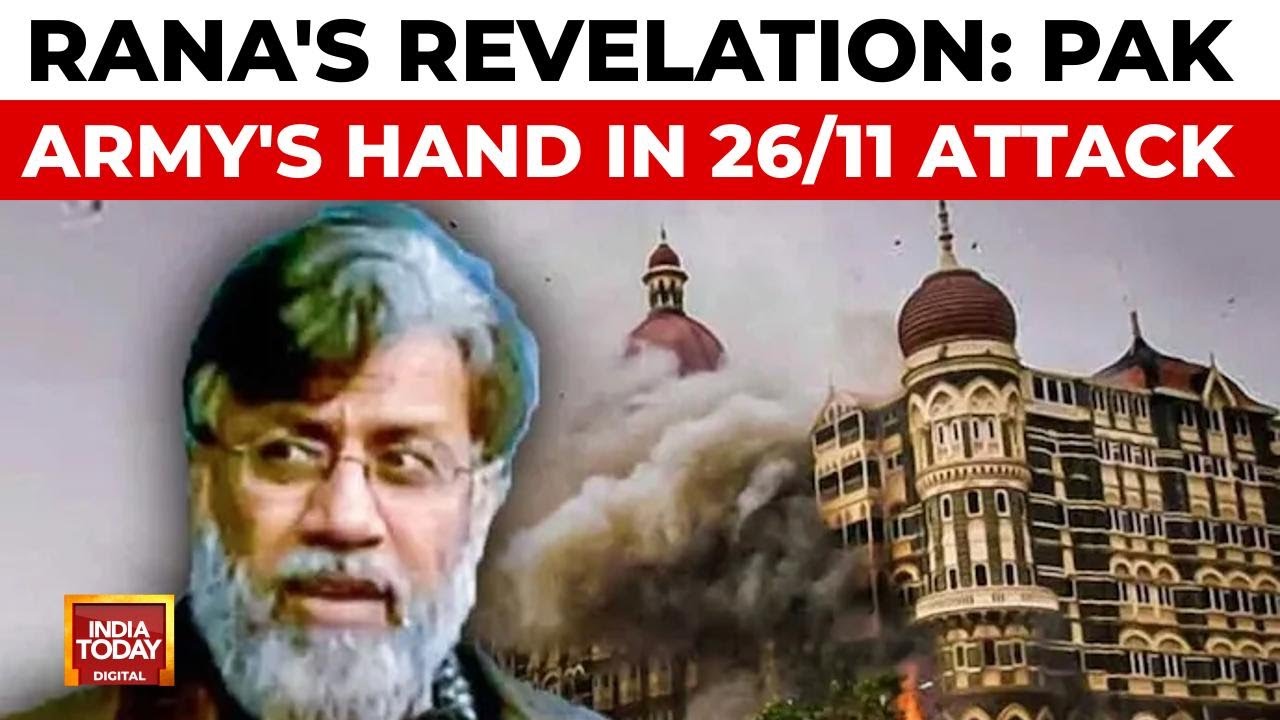
Tahawwur Rana, a key figure in the 2008 Mumbai terror attacks, has publicly acknowledged his participation in the horrific events that unfolded during the 26/11 attacks. In a recent statement, Rana revealed significant details about the involvement of the Pakistani military in orchestrating the attacks, shedding light on the complex web of terrorism and state-sponsored violence.
The 26/11 attacks, which resulted in the deaths of 166 people and left hundreds injured, were carried out by members of the terrorist organization Lashkar-e-Taiba. Rana’s admission raises critical questions about the extent of military complicity in terrorist activities and the broader implications for regional security.
In his confession, Rana detailed how he was recruited and trained for the operation, emphasizing the logistical support provided by the Pakistani military. This revelation not only implicates military officials but also suggests a systematic approach to terrorism that has long been a point of contention between India and Pakistan.
The implications of Rana’s statements are profound, as they challenge the narrative of deniability often maintained by the Pakistani government regarding its military’s involvement in cross-border terrorism. Analysts suggest that this admission could lead to increased scrutiny of Pakistan’s military and intelligence agencies, potentially affecting diplomatic relations in the region.
As the world reflects on the tragic events of 26/11, Rana’s revelations serve as a stark reminder of the ongoing challenges posed by terrorism and the need for international cooperation to combat such threats.
**FAQ**
**What was the significance of the 26/11 attacks?**
The 26/11 attacks were significant as they highlighted the vulnerabilities in India’s security apparatus and underscored the threat posed by terrorism, leading to heightened tensions between India and Pakistan.