**Tata Electronics Aims for Semiconductor Chip Production by 2027**
**Meta Description:** Tata Electronics plans to launch its first semiconductor chip by mid-2027, contingent on securing rare earth supplies amid potential delays.
**URL Slug:** tata-electronics-semiconductor-chip-2027
**Tata Electronics Aims for Semiconductor Chip Production by 2027**
Tata Electronics, a prominent domestic conglomerate, is set to produce its inaugural semiconductor chip from its facility in Dholera, Gujarat, by mid-2027. However, the timeline may be jeopardized if India fails to secure sufficient supplies of rare earth and critical elements, according to insights from two senior executives involved in the project.
Currently, Tata Electronics is in an extensive construction phase, with plans to complete the facility, including a clean room, by early 2027. This timeline aligns with the anticipated installation of machinery and equipment, marking the commencement of trial production. One executive, who requested anonymity due to the ongoing nature of the plans, expressed optimism that the first wafers could be produced by mid-2027.
The semiconductor fabrication plant was announced in February 2024 as part of the India Semiconductor Mission (ISM), a government initiative aimed at enhancing the domestic semiconductor ecosystem. With a projected cost of $11 billion, the facility initially aimed to produce its first wafer by the end of 2026. The company has been actively recruiting talent from semiconductor firms in Japan, Korea, and Taiwan, and has established a dedicated supply chain team to handle vendor inquiries.
Despite these advancements, there are growing concerns regarding potential disruptions stemming from the ongoing crisis related to rare earth and critical elements essential for semiconductor wafer fabrication. The second executive noted the significant reliance on rare earth metals and minerals in the chip production process, including elements like molybdenum and hafnium. If the current disruptions linked to China persist by the time the clean room is operational, it could lead to delays in wafer production in India.
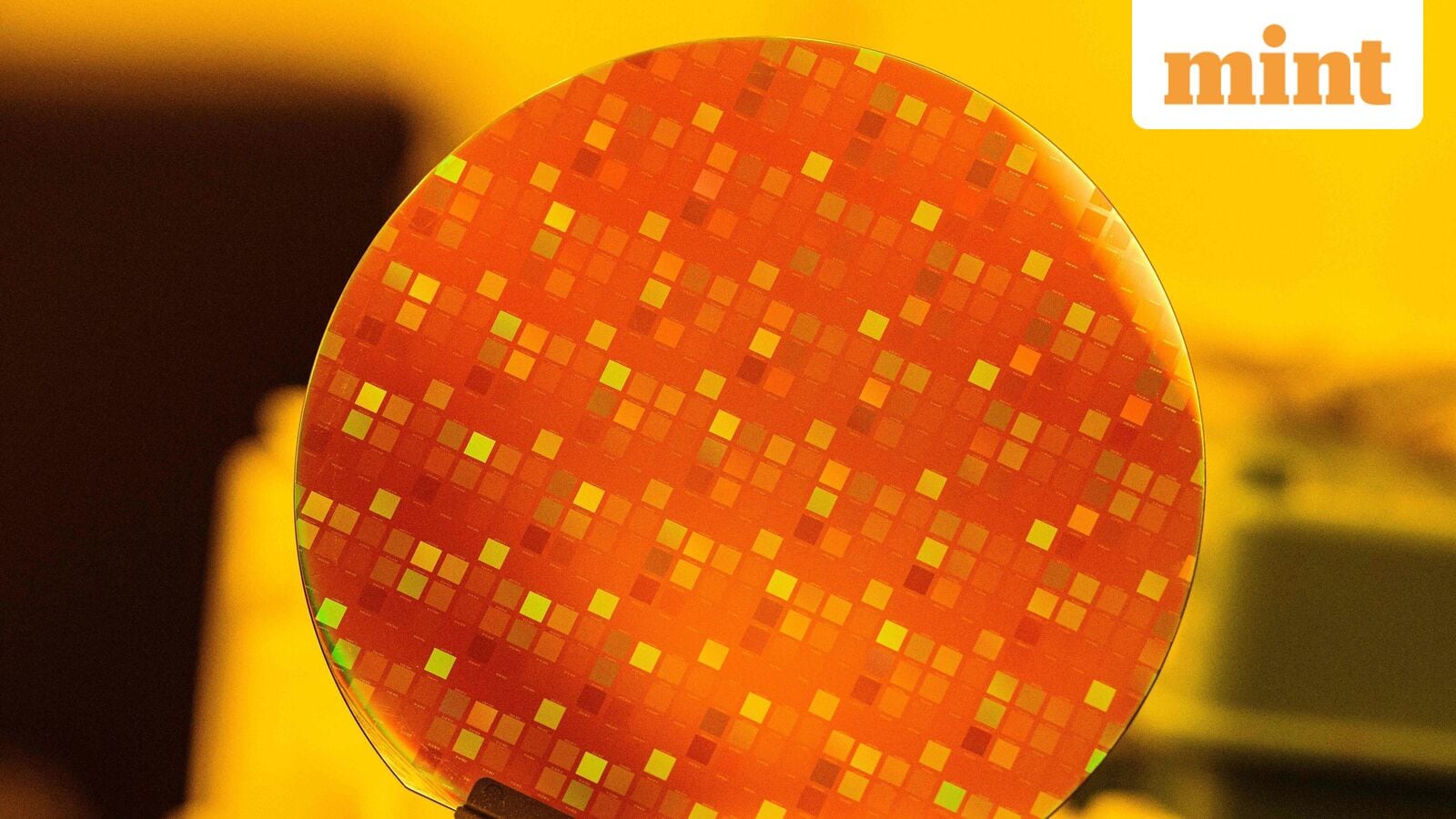
A semiconductor fabrication plant requires 99% pure silicon as its primary raw material, utilizing a combination of chemicals, gases, and specialized machinery to create semiconductor wafers. Following this, intricate processes are employed to etch integrated circuits onto the wafers in multiple layers.
In conclusion, while Tata Electronics is making strides toward its semiconductor production goals, the success of this initiative hinges on the timely acquisition of critical materials. The implications of these developments could significantly impact India’s position in the global semiconductor landscape.
**FAQ**
**What is the timeline for Tata Electronics’ semiconductor chip production?**
Tata Electronics plans to begin trial production of its first semiconductor chip by mid-2027, contingent on securing necessary supplies of rare earth and critical elements.