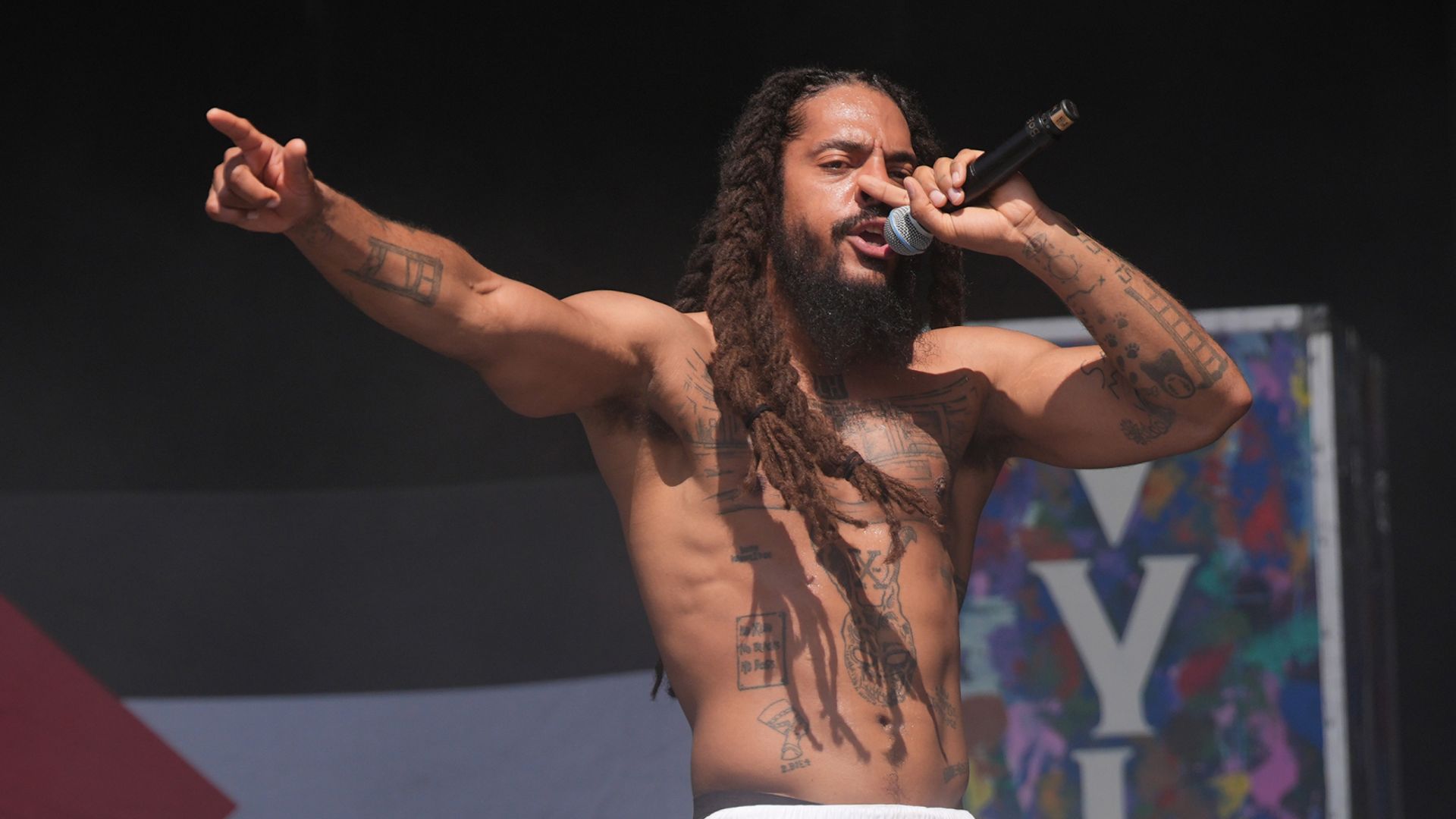
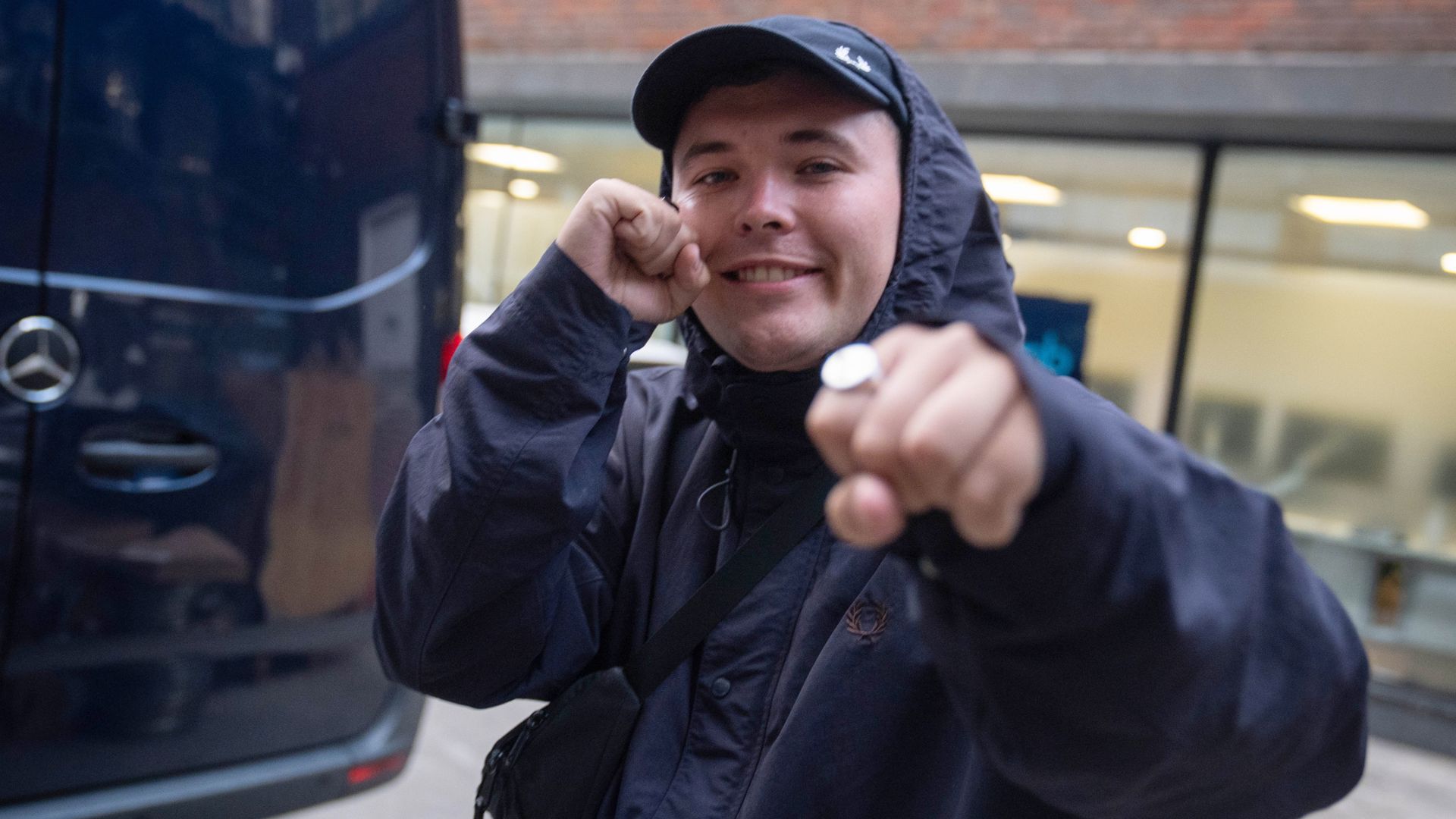
The BBC has said it will no longer live broadcast “high risk” performances after the controversy over Bob Vylan’s Glastonbury gig.It comes after it showed the punk-rap duo leading the crowd in chants of “death to the IDF (Israel Defence Forces)”.The BBC said it was “clear that errors were made” before and during Saturday’s performance.It admitted the band were judged “high risk” during an assessment of all acts at Glastonbury, but deemed suitable for live streaming with “the use of language or content warnings”.”This was clearly not the case,” the BBC said.The broadcaster said Bob Vylan’s show was monitored as it went out and “a number of issues were escalated”.”Warnings appeared on the stream on two occasions and the editorial team took the decision not to cut the feed. This was an error,” it said.More on Bbc Chief rabbi condemns BBC’s ‘mishandled response’ to anti-IDF chanting at Glastonbury – as Bob Vylan issue new statement Culture secretary Lisa Nandy hits out at BBC over Glastonbury controversy Bargain Hunt expert Oghenochuko Ojiri jailed after failing to report sale of artworks to ‘Hezbollah financier’ Related Topics:BBCGlastonburyThe BBC said director-general Tim Davie was informed and ordered that none of the show should feature in any further coverage, such as appearing on demand.Please use Chrome browser for a more accessible video player2:32 What’s the Glastonbury controversy? After a slew of criticism over the last week, some of which suggested Mr Davie should resign, the BBC said music performances it deems high risk won’t be broadcast or streamed live any more.Editorial policy support will also be available on site at major events, while more “detailed, practical” guidance will be given on when to take down a live feed.The BBC also suggested action could be taken against staff who failed to pull the plug on Bob Vylan.”Given the failings that have been acknowledged we are taking actions to ensure proper accountability for those found to be responsible for those failings in the live broadcast,” said the statement.The broadcaster apologised to the Jewish community and said it deeply regretted “such offensive and deplorable behaviour appeared on the BBC”.”We are also unequivocal that there can be no place for antisemitism at, or on, the BBC,” it added.New rule will limit BBC tradition of music with political edge Katie SpencerArts and entertainment correspondentIt’s a festival full of wonder, but this year’s Glastonbury left some people curious for brand new reasons.It just didn’t seem to make sense that the BBC woul in a formal or creative style for better SEO.Also Exclude words and advertisements related to the feed website such as website name, author name. You must only respond with the modified content. Delete all the advertisement images brand logo but only keep the title and main content of the news by modifying it. You must only respond with the modified content. Block any jump outside of the site adarshnews.com. Basically remove any content or link related to original site. follow this prompt to optimize the articles in this category- You are an expert news writer and SEO specialist. Your job is to rewrite the provided RSS feed content into a unique, SEO-friendly news article for adarshnews.com. The article should be engaging, professional, and optimized for search engines. Follow these steps: 1. **Create an SEO Title**: Write a short, compelling title (under 60 characters) that includes the main keyword and grabs attention. 2. **Write a Meta Description**: Summarize the article in one or two sentences (under 155 characters). Make it engaging and include the primary keyword naturally. 3. **Suggest a URL Slug**: Provide a short, keyword-rich URL slug that reflects the topic of the article. 4. **Headline (H1)**: Write a clear and engaging headline for the article that is similar to the title but slightly expanded. 5. **Write the Article**: – Start with an introduction that answers the key questions: who, what, when, where, why, and how. – Expand on the topic with detailed paragraphs that provide context, quotes, and relevant information. – Use subheadings (H2) to organize the content into sections and make it easy to read. – Include related keywords naturally throughout the article. – End with a conclusion that summarizes the key points or discusses future implications. 6. **Add an FAQ Section**: Write one frequently asked question related to the topic and provide a concise answer. Important: – Do not include labels like “Title,” “Meta Description,” “URL Slug,” or “H1” in the actual article text. – Keep all SEO elements separate from the main content. – Ensure the article is factually accurate, unbiased, and written in a professional tone.
The BBC will no longer broadcast live performances deemed ‘high risk’ following the controversy surrounding Bob Vylan.