**Hollywood’s Decline: The Shift of Film Production Abroad**
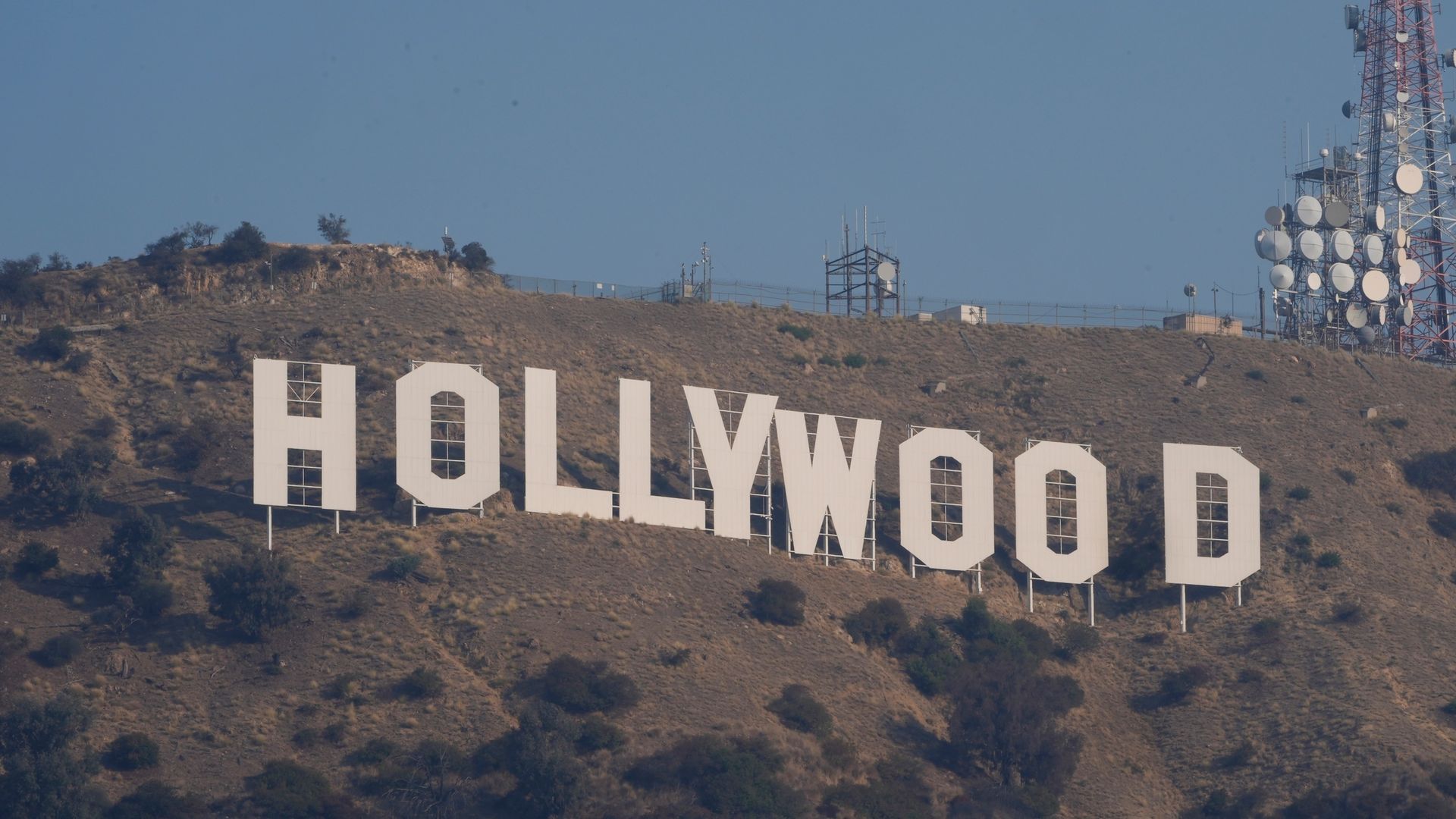
As the film industry evolves, Hollywood is witnessing a significant decline in production activity. At Sony Production Studios in Culver City, Los Angeles—a historic site that has hosted iconic films like *Gone With the Wind* and *Citizen Kane*—the once-bustling atmosphere is now marked by a steady stream of vehicles passing through security. This studio, located on the MGM lot established in 1924, has also been the backdrop for modern blockbusters such as *Interstellar* and *The Dark Knight Rises*. However, the heart of movie-making in Tinseltown is no longer as vibrant as it once was.
In recent years, Hollywood has experienced a staggering 40% drop in production, with many filmmakers relocating to states like New Mexico, New York, and Georgia, or even moving their projects overseas. A recent survey of film and television executives reveals that countries such as Britain, Australia, and Canada are now preferred destinations for movie production over California. For instance, the disaster film *San Andreas*, which centers on a California earthquake, was filmed in Australia, while a story about an Irish family in New York was shot in Canada.
The primary reason for this exodus is economic; other countries offer lower labor costs and more attractive tax incentives. As a result, many studios in Los Angeles are left underutilized, and behind-the-scenes workers often find themselves without jobs. In response to this trend, President Trump has proposed a drastic solution: imposing a 100% tariff on all foreign-made films entering the United States.
Filmmaker Justine Bateman, sister of actor Jason Bateman, expressed her support for Trump’s interest in revitalizing the film industry but questioned the effectiveness of the proposed tariffs. “I’m glad to hear that President Trump is interested in helping the film business. However, we lack the details needed to fully understand how this will work,” she stated. She emphasized the need for clarity on whether the tariffs would apply to theatrical releases or streaming content.
As the film industry navigates these challenges, the future of Hollywood remains uncertain. The shift in production locations raises questions about the long-term implications for the iconic film capital and its workforce.
**FAQ**
**Q: Why is Hollywood experiencing a decline in film production?**
A: Hollywood’s decline in film production is primarily due to economic factors, including lower labor costs and more favorable tax incentives offered by other countries, leading many filmmakers to relocate their projects abroad.