**Supreme Court Reviews Section 17A(1) of the Prevention of Corruption Act**
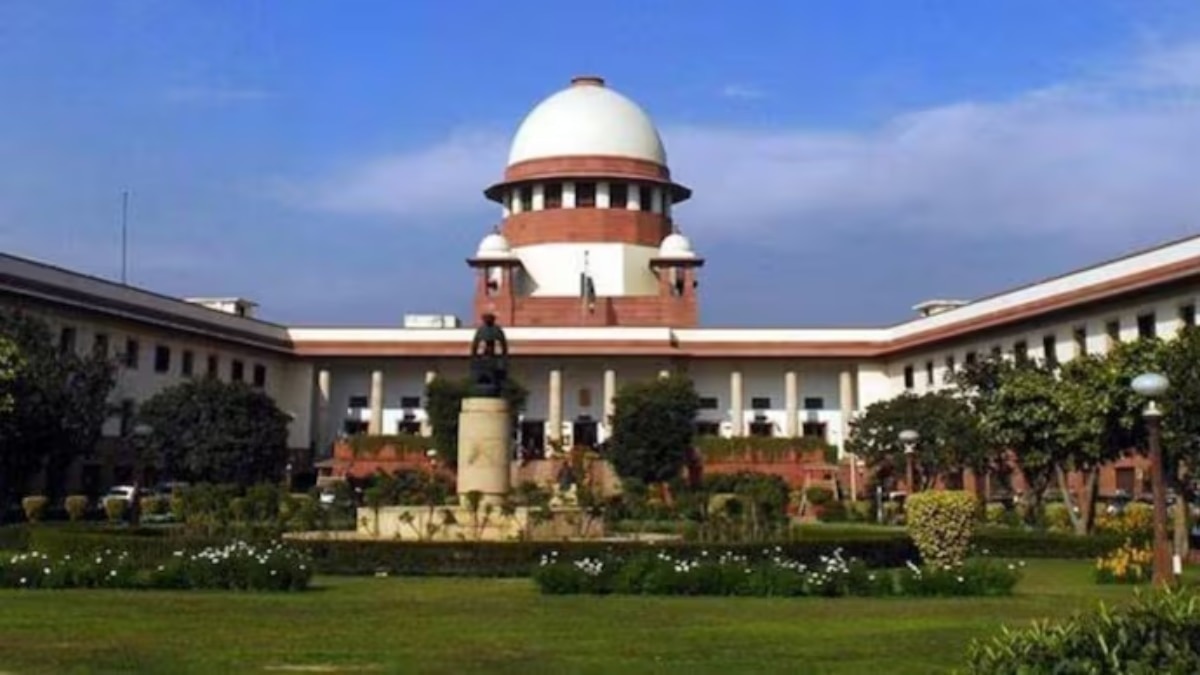
The Supreme Court recently held a significant hearing regarding the constitutional validity of Section 17A(1) of the Prevention of Corruption Act. This provision, introduced through a 2018 amendment, mandates prior approval from a competent authority before initiating investigations into public servants for actions taken while performing their official duties. The court’s examination focused on whether this requirement effectively balances the protection of honest officials with the need for accountability.
Challenged by the Centre for Public Interest Litigation (CPIL), the provision is argued to facilitate selective protection for corrupt officials and create potential conflicts of interest. During the proceedings, Justices B V Nagarathna and K V Viswanathan emphasized the importance of safeguarding honest bureaucrats while recognizing the risk of misuse of the provision.
The court posed critical questions to the petitioner’s counsel, advocate Prashant Bhushan, inquiring whether the objection was to the concept of screening itself or the fact that the approving authority is the government. The bench acknowledged that without some form of screening, a First Information Report (FIR) could lead to significant stigma for public servants, highlighting the necessity of protecting those who act in the public interest.
Justice Viswanathan referenced a case discussed in a book by Mr. Subramaniam, illustrating the fears faced by bureaucrats who make decisions in the nation’s interest but later find themselves under scrutiny. The court noted, “This is the kind of fear among honest bureaucrats,” suggesting that while screening may be necessary, concerns about bias should be addressed separately.
The justices also questioned whether the potential for misuse alone was sufficient grounds to invalidate the law, suggesting that issues with implementation could be challenged without dismissing the provision entirely. Solicitor General Tushar Mehta defended Section 17A, asserting that it aims to protect sincere officials from the intimidation of criminal proceedings. He stated, “80 to 90% of people in government are sincere and honest,” emphasizing the need to instill confidence in these individuals to ensure fearless governance.
Mehta clarified that the provision applies solely to actions taken in an official capacity and does not protect officials caught in corrupt activities. He argued that without screening, public servants would live in constant fear of facing FIRs for their decisions.
In conclusion, the Supreme Court’s deliberation on Section 17A(1) underscores the delicate balance between protecting honest public servants and ensuring accountability in governance. The outcome of this case could have significant implications for how corruption is addressed within the public sector.
**FAQ**
**Q: What is Section 17A(1) of the Prevention of Corruption Act?**
A: Section 17A(1) requires prior approval from a competent authority before investigating public servants for actions taken during their official duties, aimed at protecting honest officials while ensuring accountability.