


**Title:** The Emergency of 1975: A Turning Point in Indian Democracy
**Meta Description:** Explore the events leading to the Emergency declared in India on June 25, 1975, under Indira Gandhi, highlighting the political turmoil and family dynamics.
**URL Slug:** emergency-india-1975-indira-gandhi
**Headline:** The Emergency of 1975: How Indira Gandhi’s Leadership and Family Dynamics Shaped a Nation’s Crisis
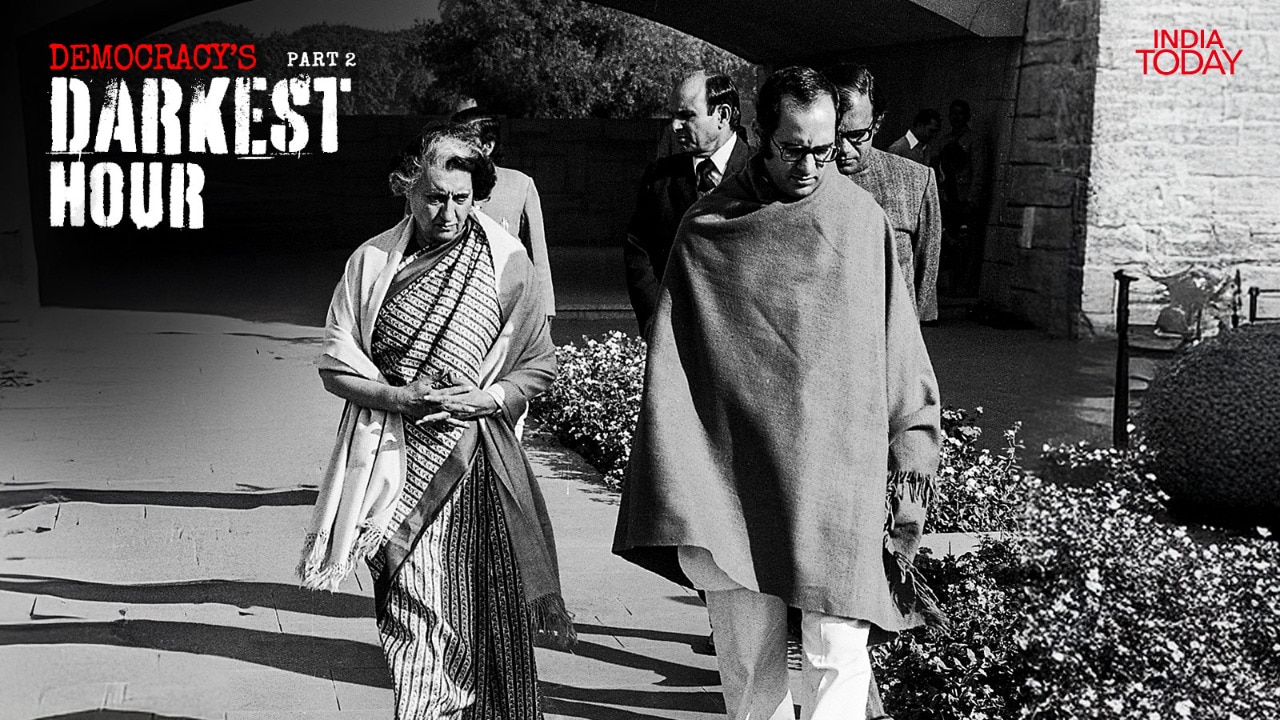
On June 25, 1975, India faced a significant turning point in its democratic journey as Prime Minister Indira Gandhi declared a state of Emergency. This decision was influenced by a combination of political challenges and personal dilemmas, particularly involving her son, Sanjay Gandhi. The events leading up to this moment were marked by legal battles, political maneuvering, and familial tensions.
On the evening of June 24, 1975, a near-full moon shone over 1, Safdarjung Road, the residence of Prime Minister Indira Gandhi in New Delhi. Earlier that day, the Supreme Court had granted her a temporary reprieve from a High Court ruling that had invalidated her election from Rae Bareli. While she could remain in office pending her appeal, the court imposed a significant restriction: she was barred from voting in Parliament.
As the nation held its breath, Indira Gandhi’s staff engaged in urgent discussions, the outcome of which depended heavily on the influence of her 30-year-old son, Sanjay Gandhi. The backdrop of this political crisis was a ruling by the Allahabad High Court, which found Indira guilty of electoral malpractices. The court’s decision mandated her resignation and prohibited her from contesting elections for six years, citing technical violations related to her election campaign.
Despite the gravity of the situation, many of Indira’s supporters believed the charges were minor and would not withstand scrutiny at the Supreme Court level. Some advised her to resign temporarily to preserve her moral standing, a move that could potentially enhance her image once the verdict was overturned. However, Sanjay Gandhi, who had ambitions of his own, was not convinced that stepping down was the right course of action.
Sanjay’s journey began with an interest in automotive engineering, which led him to an apprenticeship with Rolls-Royce in England. However, he returned to India without completing his education and soon became embroiled in the political landscape as his mother’s confidant. His aspirations to establish a car manufacturing business culminated in the launch of Maruti, although it faced challenges initially. Sanjay’s growing influence within the Congress party and his close ties to political figures, such as Haryana’s Chief Minister Bansi Lal, positioned him as a significant player in the unfolding crisis.
The Emergency declared by Indira Gandhi marked a controversial chapter in Indian history, characterized by the suspension of civil liberties and the curtailment of political opposition. The interplay of personal ambition and political necessity during this period not only reshaped the Gandhi family’s legacy but also had lasting implications for Indian democracy.
In conclusion, the events surrounding the Emergency of 1975 serve as a reminder of the delicate balance between power, ambition, and the principles of democracy. As India reflects on this pivotal moment, it is essential to understand the complexities that led to such a drastic decision and its impact on the nation’s political landscape.
**FAQ:**
**What was the Emergency declared in India in 1975?**
The Emergency was a 21-month period during which Prime Minister Indira Gandhi ruled by decree, suspending civil liberties and political opposition, following a controversial court ruling against her.


