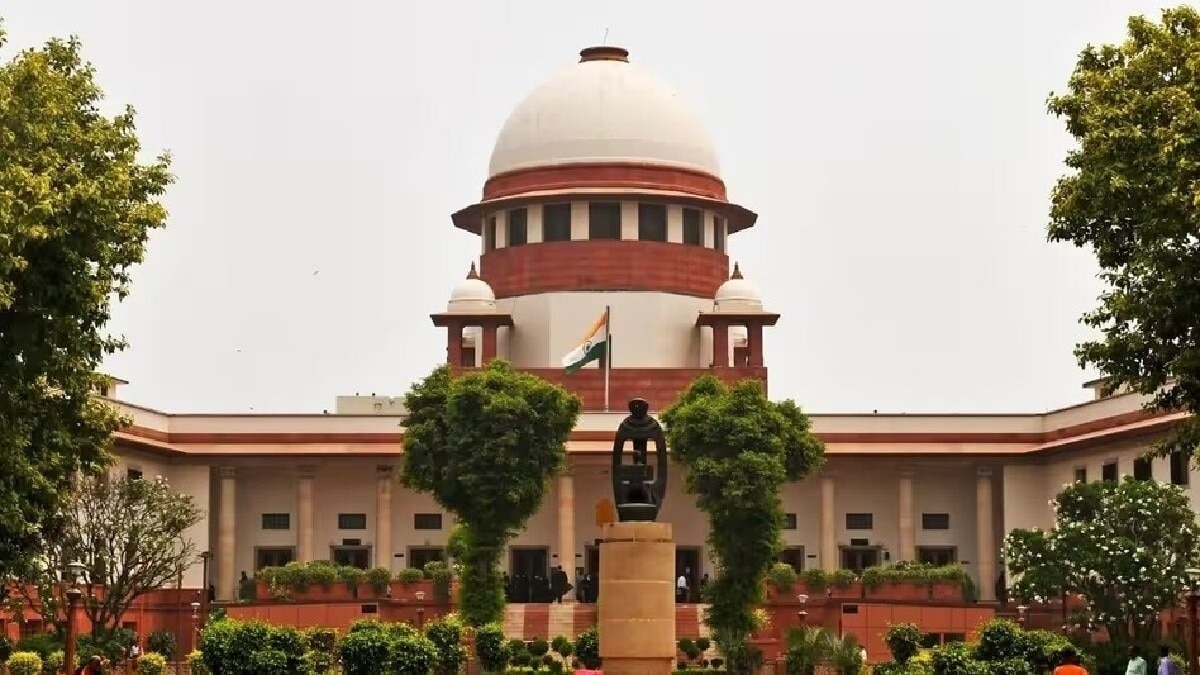
**Supreme Court Urges Seeking Justice, Not Deification of Judges**
The Supreme Court of India recently emphasized the importance of seeking justice rather than viewing judges as divine figures. During a hearing, Justice MM Sundresh responded to a lawyer who likened judges to gods, stating, “Don’t seek God in us, seek God in justice. We are just humble servants.” This remark highlights the judiciary’s role as public servants dedicated to upholding justice.
The context of Justice Sundresh’s comments arose from a lawyer’s objection to a notice alleging that judges had been influenced by lawyers, which the lawyer deemed “contemptuous.” The court advised the lawyer to maintain composure, asserting that such claims do not affect the judges personally. “Please don’t get emotional. As judges, all this doesn’t bother us,” Justice Sundresh remarked.
This sentiment echoes previous statements made by former Chief Justice of India DY Chandrachud, who cautioned against equating judges with deities. At a conference in Kolkata, he expressed concern over the perception that courts are temples of justice, warning that such views could lead to judges seeing themselves as divine figures. “There is a grave danger that we perceive ourselves as deities in those temples,” he stated, emphasizing the judiciary’s duty to serve the public interest.
The Supreme Court’s recent remarks serve as a reminder of the judiciary’s commitment to justice and the importance of maintaining a clear distinction between the role of judges and the concept of divinity.
**FAQ**
**Q: Why did the Supreme Court advise against viewing judges as gods?**
A: The Supreme Court emphasized that judges are humble servants of justice, urging the public to seek God in justice rather than in judges themselves, to maintain the integrity of the judiciary.