**Supreme Court Criticizes Karnataka Government Over Film Threats**
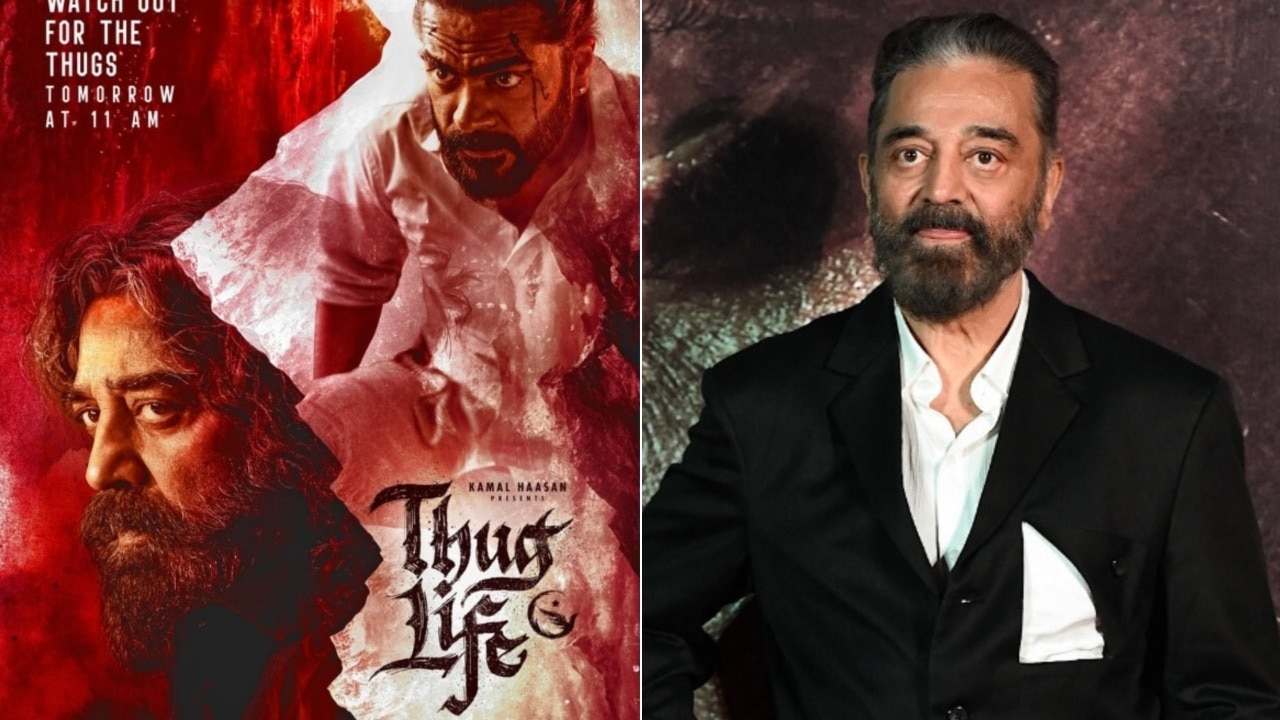
The Supreme Court of India recently reprimanded the Karnataka government and the State Film Chamber for their inaction against individuals who threatened violence regarding the release of actor-politician Kamal Haasan’s film, *Thug Life*. During a hearing, the court noted the state’s affidavit, which stated that there were no restrictions on the film and that full security would be provided if the producers decided to proceed with its release. The court questioned the lack of action against those who issued threats.
The bench advised the Film Chamber, which had previously requested an apology from the producers after a group of 500 individuals invaded its office, to approach the police if they felt threatened. The Film Chamber later claimed it acted under pressure and did not intend to hinder the film’s release.
While addressing petitions from the producer and a third party seeking guidelines on hate speech and threats of violence, the court emphasized that freedom of expression should not be limited by claims of hurt sentiments. The justices posed rhetorical questions about whether stand-up comedians and poets should be silenced, underscoring that a diverse nation like India cannot allow mobs to dictate what can be released.
The petitioner argued that the state’s affidavit effectively granted “king-like immunity” to those making threats, highlighting the absence of any mention of prosecution. He referenced previous Supreme Court rulings that held states accountable for failing to protect filmmakers and theater owners.
A representative from the Sahitya Parishad, which intervened in the case, expressed that while the organization believed the actor’s comments had offended public sentiment, it would never endorse violence. The court acknowledged this assurance and urged both the state government and the Parishad to adhere to their commitments.
When the petitioner sought compensation for the filmmaker, the bench dismissed the request, questioning whether a sum of Rs 20 or Rs 30 lakh would significantly impact the producer, who claimed losses of up to Rs 30 crore. The court concluded that issuing new guidelines or engaging in conflicting arguments was unnecessary, given the producer’s satisfaction with the government’s affidavit.
The Karnataka government maintained that the conflict was between the producer and the Film Chamber, asserting that the producer had voluntarily delayed the film’s release. The court reiterated that the state was bound by its affidavit and called for all parties to exercise restraint.
“This is a diverse country. If sentiments are constantly cited, nothing will ever be released. The state must act proactively against such threats. You cannot take the law into your own hands,” the bench stated.
**FAQ**
**Q: What was the Supreme Court’s stance on the threats against the film *Thug Life*?**
A: The Supreme Court criticized the Karnataka government and the State Film Chamber for not taking action against those threatening violence over the film’s release, emphasizing the importance of protecting freedom of expression.