**China Raises Tariffs on U.S. Goods: Implications for Bitcoin Mining**
China has announced a significant increase in tariffs on goods exported to the United States, raising the rate from 34% to 84%. This decision comes in response to President Trump’s declaration of a tariff hike on U.S. goods shipped to China, which will reach 104%. The new tariffs will particularly impact U.S.-based public Bitcoin mining companies, as they rely heavily on ASICs—specialized machines for Bitcoin mining—most of which are manufactured in China.
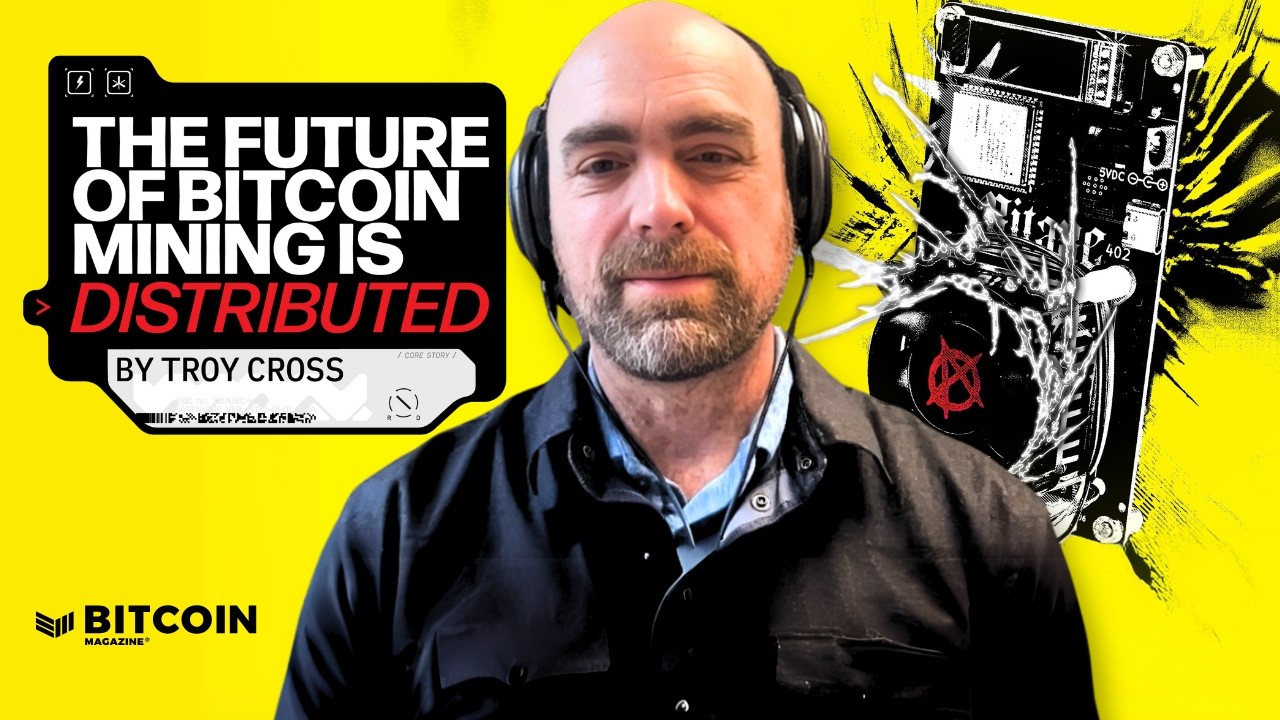
This shift in tariffs could inadvertently benefit the overall health of the Bitcoin mining ecosystem. As Troy Cross articulated in his piece, “The Future of Bitcoin Mining Is Distributed,” excessive control of the Bitcoin hashrate by a single country can jeopardize Bitcoin’s core value of censorship resistance. Cross emphasizes that if the majority of the Bitcoin network’s hashrate is concentrated in the U.S. and managed by American public mining firms, it could give the U.S. government undue influence to enforce compliance with regulations, such as mining only OFAC-compliant blocks.
Notably, Marathon Digital Holdings, the largest publicly traded Bitcoin mining company in the U.S., has already demonstrated a willingness to adhere to OFAC regulations, raising concerns about the potential for government overreach. A globally distributed hashrate is crucial for maintaining Bitcoin’s resistance to censorship, as Cross points out in a recent interview. Unlike other emerging technologies, Bitcoin thrives when no single nation dominates the industry.
Cross argues that while it may seem counterintuitive, a balanced distribution of hashrate across multiple countries is ideal, with no single entity controlling more than 50%. He suggests that the U.S. may currently exceed this threshold. However, the recent tariff escalation could reverse this trend, making it more affordable for international competitors to acquire ASICs compared to U.S. miners.
While the ongoing tariff conflict may induce anxiety across various sectors, it could ultimately prove advantageous for Bitcoin. A more diverse and globally distributed mining landscape may enhance the network’s resilience and independence.
**FAQ**
**Q: How will the increase in tariffs affect Bitcoin mining in the U.S.?**
A: The increased tariffs on goods from China will raise costs for U.S.-based Bitcoin mining companies that rely on Chinese-manufactured ASICs, potentially leading to a more competitive global mining environment.