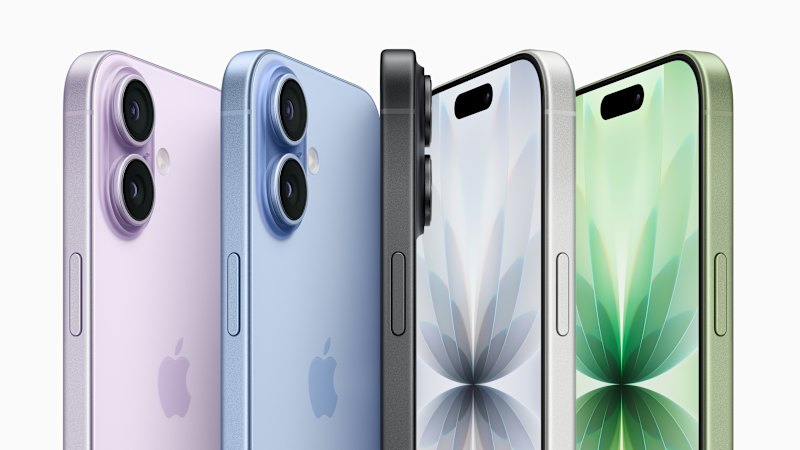
**Apple’s iPhone 17 and iPhone Air: A Comprehensive Upgrade Guide**
Apple continues its tradition of annual phone releases, each touted as a significant improvement over its predecessor. With the latest iPhone 17 and the introduction of the iPhone Air, many users may wonder when the right time to upgrade is. The truth is, each new model typically offers enhancements that can make a difference, especially if your current device is no longer meeting your needs.
The iPhone 17, set to be available on September 19, boasts a larger and more advanced display, improved camera capabilities, and extended battery life compared to last year’s model. This year’s standard iPhone 17 is a solid upgrade, particularly for those coming from the iPhone 14 or earlier versions, as it features a larger screen without increasing the device’s width or thickness. The display now supports a variable refresh rate ranging from 1Hz to 120Hz, resulting in smoother visuals, better battery efficiency, and an always-on display. Additionally, the peak brightness has increased to 3000 nits, a significant jump from the iPhone 14’s 1200 nits.
Camera technology has also seen substantial improvements. The iPhone 17 includes a dual 48-megapixel main camera system capable of 2x optical zoom and macro photography, features that were not available on the iPhone 14. The front-facing camera has been upgraded as well, offering a wider field of view for versatile shooting angles. Other enhancements include the dynamic island notification area, the action button, and advanced camera control sensors, all contributing to a battery life of up to 30 hours, compared to the iPhone 14’s 20 hours.
This year also marks the debut of the iPhone Air, which presents a unique option for consumers. While it shares many features with the iPhone 17 and incorporates several Pro model characteristics, it comes with a few trade-offs. The iPhone Air features a larger screen and a slimmer design, but it is limited to a single camera, lacking ultra-wide and macro capabilities, and its zoom is restricted to 2x. Additionally, it has the shortest estimated battery life among the new models. However, its sleek design—3mm thinner than the Pro—makes it an attractive choice for those prioritizing portability. Apple also offers a $160 magnetic battery specifically for the Air, allowing users to choose between a lightweight device and extended battery life.
In conclusion, the decision to upgrade to the iPhone 17 or iPhone Air should be based on your current phone’s performance and your personal preferences. With significant advancements in display, camera technology, and battery life, both models present compelling reasons to consider an upgrade.
**FAQ**
**When is the iPhone 17 available for purchase?**
The iPhone 17 will be available starting September 19.