


**Title:** Rapid Ceasefire Between India and Pakistan: Key Factors Explored
**Meta Description:** Discover how India and Pakistan swiftly reached a ceasefire agreement amid escalating tensions, influenced by a crucial IMF loan and U.S. intervention.
**URL Slug:** india-pakistan-ceasefire-agreement
**Headline:** Understanding the Swift Ceasefire Agreement Between India and Pakistan
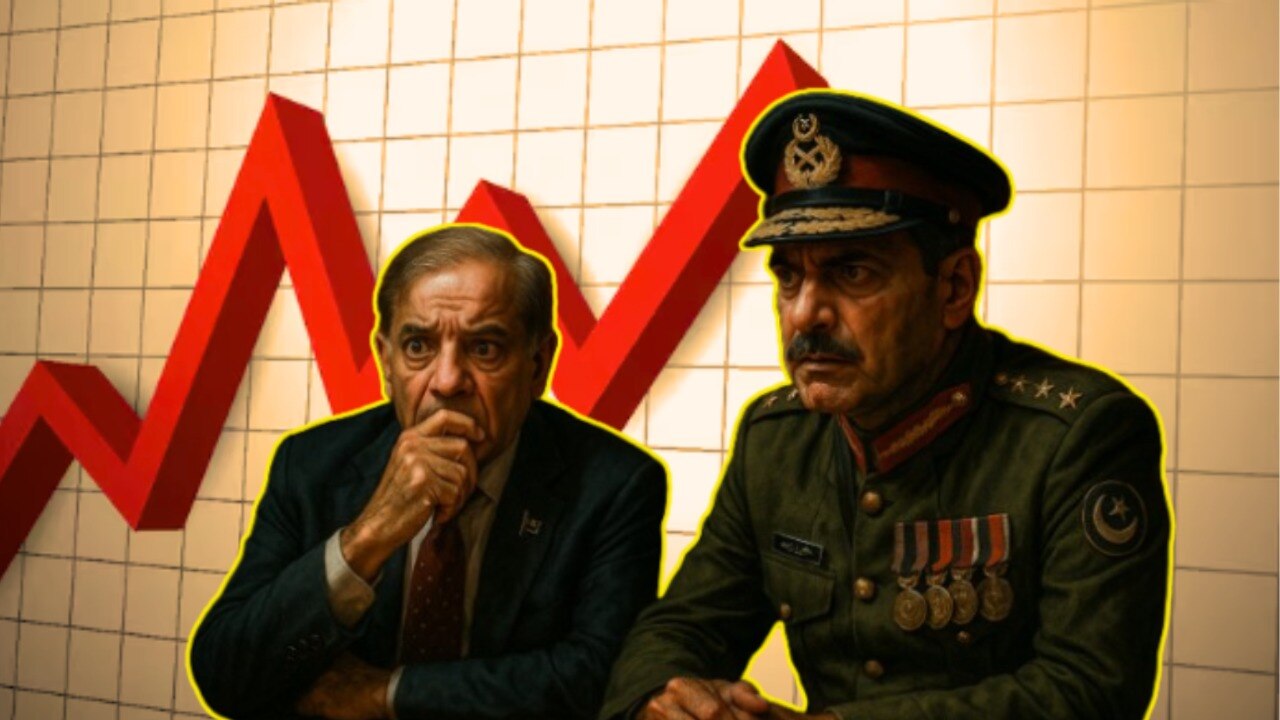
In a surprising turn of events, India and Pakistan, on the brink of an all-out war, quickly reached a ceasefire agreement. This development came after three days of intense military exchanges, with Pakistan appearing to seek peace. However, a significant factor may have been at play: a crucial $1 billion loan from the International Monetary Fund (IMF), which was vital for Pakistan’s economy.
The IMF’s approval of the loan likely included a stipulation for Pakistan to declare an immediate ceasefire with India. While the ceasefire was officially negotiated bilaterally between the two nations, sources indicate that the United States exerted considerable pressure on Islamabad to de-escalate tensions. This pressure was reportedly linked to the acceptance of the ceasefire as a condition for the disbursement of the IMF loan.
India expressed its concerns regarding the loan, especially given the timing of Pakistan’s military actions against Indian civilian and military targets. These attacks were viewed as reckless, particularly as the IMF board was set to review the conditions of its financial assistance to Pakistan.
It is important to note that any IMF loan requires approval from Washington, D.C., making the U.S. the ultimate authority in such financial matters. U.S. President Donald Trump claimed to have played a significant role in negotiating the ceasefire, engaging in lengthy discussions to facilitate the agreement. Both U.S. Vice President JD Vance and Secretary of State Marco Rubio supported his statements, with Rubio having previously communicated with leaders from both India and Pakistan, including India’s Foreign Minister S. Jaishankar and Pakistan’s Prime Minister Shehbaz Sharif.
India maintained that the ceasefire was a result of direct communication between its Director General of Military Operations and Pakistan. However, the U.S. undeniably played a crucial role in the de-escalation process by linking the IMF loan to Pakistan’s acceptance of the ceasefire.
In conclusion, the rapid ceasefire agreement between India and Pakistan highlights the complex interplay of military actions, economic pressures, and international diplomacy. As both nations navigate their relationship, the implications of this ceasefire will be closely monitored by the global community.
**FAQ Section:**
**Q: What led to the ceasefire agreement between India and Pakistan?**
A: The ceasefire was influenced by intense military exchanges, Pakistan’s request for peace, and U.S. pressure linked to a crucial IMF loan.


