**Title:** Tensions Rise as Pakistan Accuses India of Water Release
**Meta Description:** Following the Pahalgam terror attack, Pakistan claims India released water into the Jhelum River, escalating tensions between the two nations.
**URL Slug:** tensions-pakistan-india-water-release
**Headline:** Escalating Tensions: Pakistan Accuses India of Unnotified Water Release into Jhelum River
In the wake of the Pahalgam terror attack that resulted in the deaths of 26 Indian tourists, tensions between India and Pakistan have intensified. On Saturday, Pakistan accused India of abruptly releasing water into the Jhelum River without prior notification to Pakistani authorities. This claim was reported by Dunya News, which noted a sudden increase in water levels near Muzaffarabad in Pakistan-administered Kashmir, attributing the surge to Indian actions.
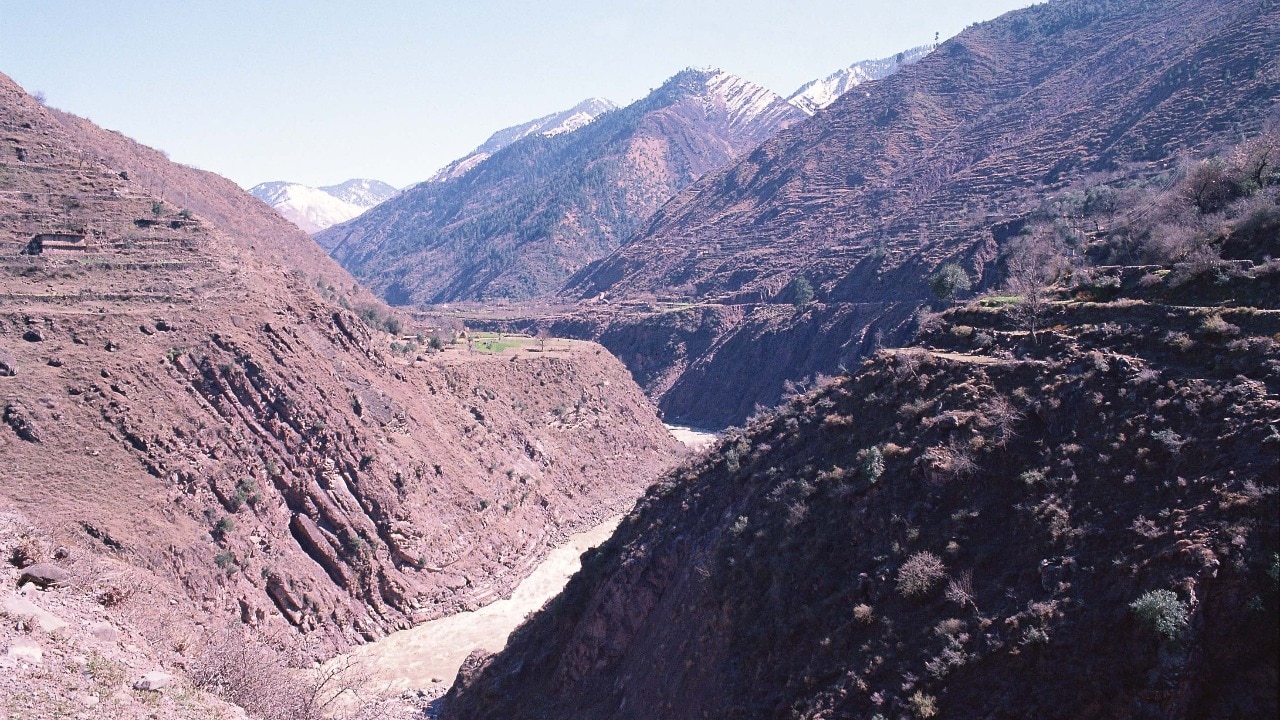
In response to the rising water levels, local authorities in Hattian Bala, located approximately 40 kilometers from Muzaffarabad along the Jhelum River, declared a water emergency. Residents were alerted through mosque announcements, which reportedly caused panic among those living near the riverbanks. The water flow was traced back from Kashmir’s Anantnag region, rising through the Chakothi area of Pakistan-administered Kashmir. Pakistani officials condemned the situation, labeling it a “complete violation of international rules and water agreements.”
These allegations emerged shortly after India announced the suspension of the 1960 Indus Waters Treaty, a decision made in light of the deadly terror attack attributed to Pakistan-based militants. The Indian government stated that the treaty would remain suspended until Pakistan “credibly and irreversibly” renounces its support for cross-border terrorism.
The Indus Waters Treaty, brokered by the World Bank and signed in 1960, has been a rare example of sustained cooperation between India and Pakistan. Under this agreement, India has exclusive control over the eastern rivers—Ravi, Beas, and Sutlej—while Pakistan holds rights to the western rivers—Indus, Jhelum, and Chenab—despite their origins in Indian territory in Jammu and Kashmir. The treaty has withstood numerous conflicts and diplomatic crises, but the recent attack in Pahalgam has significantly altered the dynamics.
The implications of India’s decision to suspend the treaty could be profound for Pakistan, which relies heavily on the Indus River system for its agricultural needs, a critical component of its economy. Approximately 90% of Pakistan’s irrigation is dependent on water from the Indus basin. Any disruption, or even the fear of future disruptions, in the water supply from the western rivers could worsen water scarcity, diminish crop yields, and potentially incite domestic unrest, particularly in the already water-stressed provinces of Punjab and Sindh.
**FAQ Section:**
**Q: What is the Indus Waters Treaty?**
A: The Indus Waters Treaty, signed in 1960, is an agreement between India and Pakistan that allocates the use of the Indus River system, granting India control over eastern rivers and Pakistan over western rivers, despite their origins in Indian territory.