TITLE TAG: JD(U) Faces Muslim Vote Bank Concerns Ahead of Bihar Elections
META DESCRIPTION: JD(U) experiences Muslim leader exits over Waqf Bill support, raising concerns about its electoral prospects in Bihar.
URL SLUG: jdu-muslim-vote-bank-bihar-elections
H1: JD(U) Confronts Challenges with Muslim Voters Ahead of Bihar Elections
Months before the Bihar Assembly elections, the Janata Dal (United) [JD(U)] is experiencing significant unease following the resignation of five Muslim leaders from the party. Their departure is linked to JD(U)’s backing of the Waqf Amendment Bill, which enhances government control over the management of properties donated by Muslims. This situation has sparked anxiety among JD(U) leaders, who fear a potential loss of the Muslim vote bank crucial for the upcoming elections.
Historically, Nitish Kumar, after parting ways with the National Democratic Alliance (NDA), successfully attracted a considerable share of Muslim votes during the 2014 Lok Sabha elections, encroaching on the traditional voter base of the Rashtriya Janata Dal (RJD). However, the political landscape has shifted since then.
In the 2014 Lok Sabha elections, JD(U), in alliance with the Left, secured 23.5% of the Muslim vote, according to the CSDS Lokniti survey. The following year, during the 2015 Assembly elections, when Nitish was part of the Mahagathbandhan, the alliance captured an impressive 80% of the Muslim votes. However, this trend reversed after JD(U) rejoined the NDA led by Prime Minister Narendra Modi in 2015.
The 2020 Assembly elections revealed a stark decline, with the JD(U) alliance garnering only 5% of the Muslim vote. In the 2019 Lok Sabha elections, the party received a mere 6% support from Muslim voters, while the RJD claimed 80%. This downward trend continued into the 2024 Lok Sabha elections, where only 12% of Muslims in Bihar voted for the JD(U) alliance, a significant drop of 50 percentage points from 2014.
According to the 2011 census, Bihar’s Muslim population was approximately 1.75 crore, constituting 17% of the state’s total population. With 7.64 crore registered voters in Bihar for the 2024 elections, the estimated number of Muslim voters stands at around 1.29 crore.
An analysis of four Muslim-majority districts in Bihar, covering 24 Assembly constituencies, indicates that JD(U) won 7 seats in the 2015 elections. However, in 2020, while aligned with the NDA, it managed to secure only three seats, despite Muslims making up 30% of the population in these areas. This data clearly illustrates that JD(U) lost favor among Muslim voters following its alliance with the Modi-led NDA.
The performance of JD(U) Muslim candidates further underscores this trend. In 2015, the party fielded 7 Muslim candidates, winning 5 seats. In contrast, in 2020, despite running 11 Muslim candidates, none were successful. This decline in electoral success highlights the detrimental impact of JD(U)’s partnership with the BJP on its Muslim vote bank.
As the Bihar Assembly elections approach, the JD(U) must navigate these challenges to regain the trust of Muslim voters, a critical demographic for its electoral success.
INTERNAL LINK SUGGESTION: Explore more on Bihar’s electoral dynamics and voter trends.
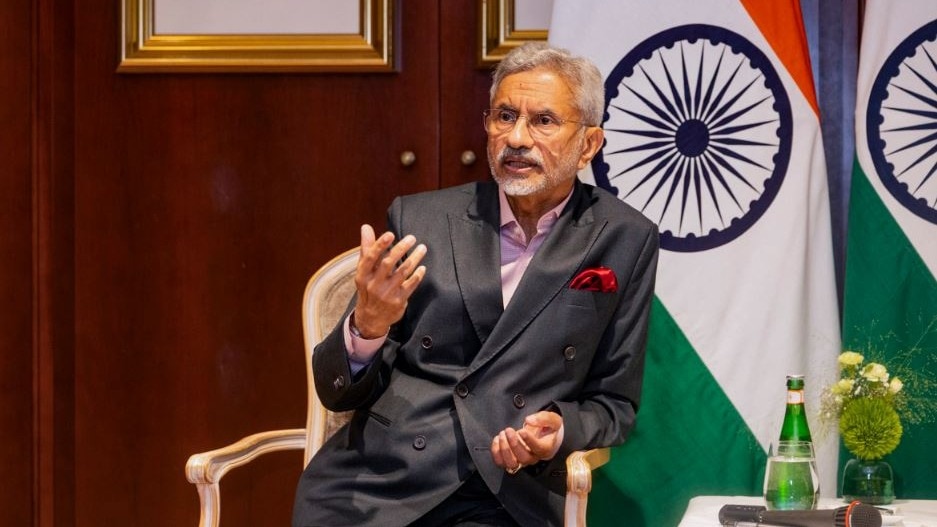
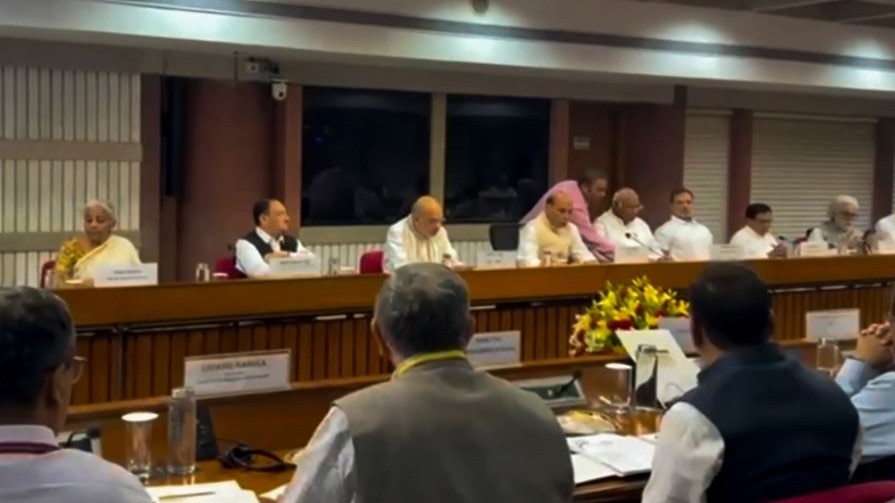
IMAGE CAPTION SUGGESTION: JD(U) leaders face challenges in retaining Muslim voter support ahead of Bihar elections.
FAQ: Q: How has JD(U)’s support for the Waqf Amendment Bill affected its Muslim voter base?
A: JD(U)’s backing of the Waqf Amendment Bill has led to the resignation of key Muslim leaders and a significant decline in Muslim voter support, raising concerns ahead of the Bihar elections.