**Kerala’s Nipah Virus Response: 571 Contacts Identified Across Five Districts**
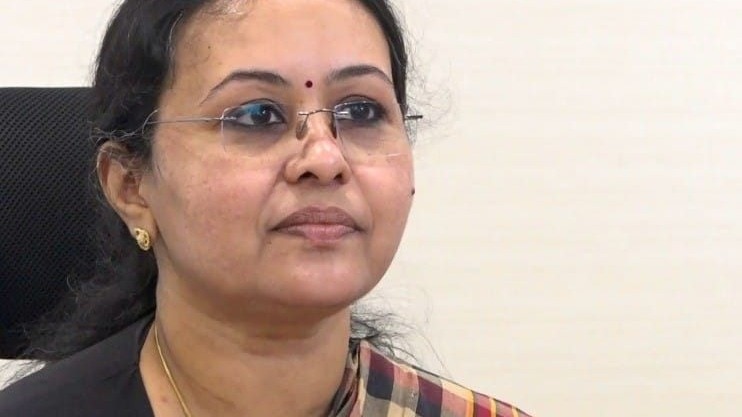
In a proactive measure to combat the Nipah virus outbreak, Kerala has identified 571 individuals on its contact list across five districts, as announced by Health Minister Veena George following a high-level review meeting on Monday. The contact list comprises 62 individuals from Malappuram, 418 from Palakkad, 89 from Kozhikode, and one each from Ernakulam and Thrissur.
Currently, 13 individuals are receiving treatment in isolation in Malappuram, while one person in Palakkad is also undergoing isolated care. In a positive development, ten individuals—comprising one from Malappuram, two from Palakkad, and seven from Kozhikode—have been removed from the contact list after successfully completing their isolation period.
The health department has categorized 27 individuals in the state as being at the highest risk, with an additional 78 classified as high risk. To address the situation effectively, the health minister convened a meeting with key officials, including the Additional Chief Secretary of Health, NHM State Mission Director, Directors of Health and Medical Education, District Collectors, police officials, and other department heads, to evaluate the current status and coordinate containment strategies.
This heightened surveillance comes in the wake of the second Nipah-related death reported in Kerala last week. A 57-year-old man from Mannarkkad in Palakkad succumbed to severe respiratory distress, with initial tests confirming a Nipah infection. Earlier this year, another death was reported in Malappuram, and the state also experienced a Nipah virus-related death in 2024.
Health officials continue to emphasize the importance of vigilance and adherence to health protocols to prevent further spread of the virus.
**FAQ**
**What measures is Kerala taking to control the Nipah virus outbreak?**
Kerala has identified 571 contacts across five districts, implemented isolation protocols for affected individuals, and is conducting heightened surveillance and containment measures to prevent further spread of the Nipah virus.