**Strengthening Aviation Safety: DGCA Launches Comprehensive Special Audits**
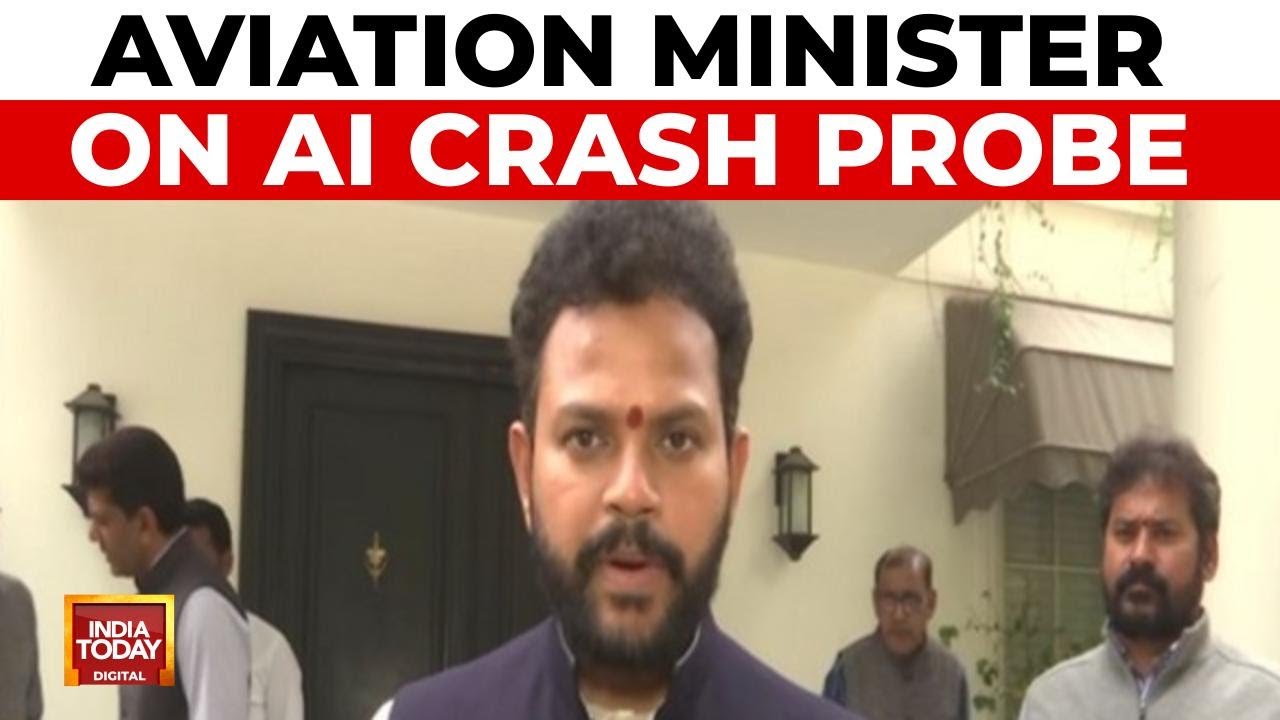
The Directorate General of Civil Aviation (DGCA) has introduced a new framework for Comprehensive Special Audits aimed at enhancing aviation safety oversight in India. This initiative comes in response to increasing concerns about aviation safety standards, particularly following the recent Air India crash in Ahmedabad, Gujarat. The audits are designed to revamp the country’s safety protocols through a data-driven, risk-based, and globally aligned methodology.
The scope of the audit encompasses a diverse array of aviation entities, including scheduled and non-scheduled airlines, Maintenance Repair and Overhaul (MRO) organizations, Flying Training Organizations (FTOs), Air Navigation Service Providers (ANSPs), and Ground Handling Agencies (GHAs). Key focus areas for the audits include Safety Management Systems (SMS), operational efficiency, compliance with regulatory frameworks, and effective crew and resource management.
To carry out these audits, the DGCA has assembled multidisciplinary teams led by senior officials, supported by subject matter experts from various aviation sectors. These teams are conducting thorough inspections that incorporate physical facility evaluations, document reviews, personnel interviews, simulation assessments, and ramp checks at airports.
The impetus for this comprehensive audit stems from multiple factors, including aviation accidents, serious incidents, persistent non-compliance issues, and concerns raised by the International Civil Aviation Organization (ICAO). The audit process is structured in three phases: a pre-audit phase lasting five to seven days, an on-site audit of three to five days, and a post-audit period of ten to fifteen days dedicated to analysis and follow-up.
Findings from the audits will be categorized by severity: Level 1 for immediate safety risks, Level 2 for significant but non-critical issues, and a third category for long-term observations. Audited entities are required to submit Corrective Action Plans (CAPs) within 15 days of receiving their findings, and the DGCA will closely monitor the implementation of these plans.
While all findings will remain confidential, the DGCA has emphasized that non-compliance with audit recommendations may result in penalties, operational suspensions, or even revocation of licenses.
In conclusion, the DGCA’s initiative to implement Comprehensive Special Audits marks a significant step towards bolstering aviation safety in India, ensuring that the industry adheres to the highest standards of safety and operational efficiency.
**FAQ**
**What is the purpose of the DGCA’s Comprehensive Special Audits?**
The audits aim to enhance aviation safety oversight in India by identifying safety risks and ensuring compliance with regulatory standards across various aviation entities.