**Bitcoin Struggles as 2025 Ends at $87,000, Down 30% from Peak**
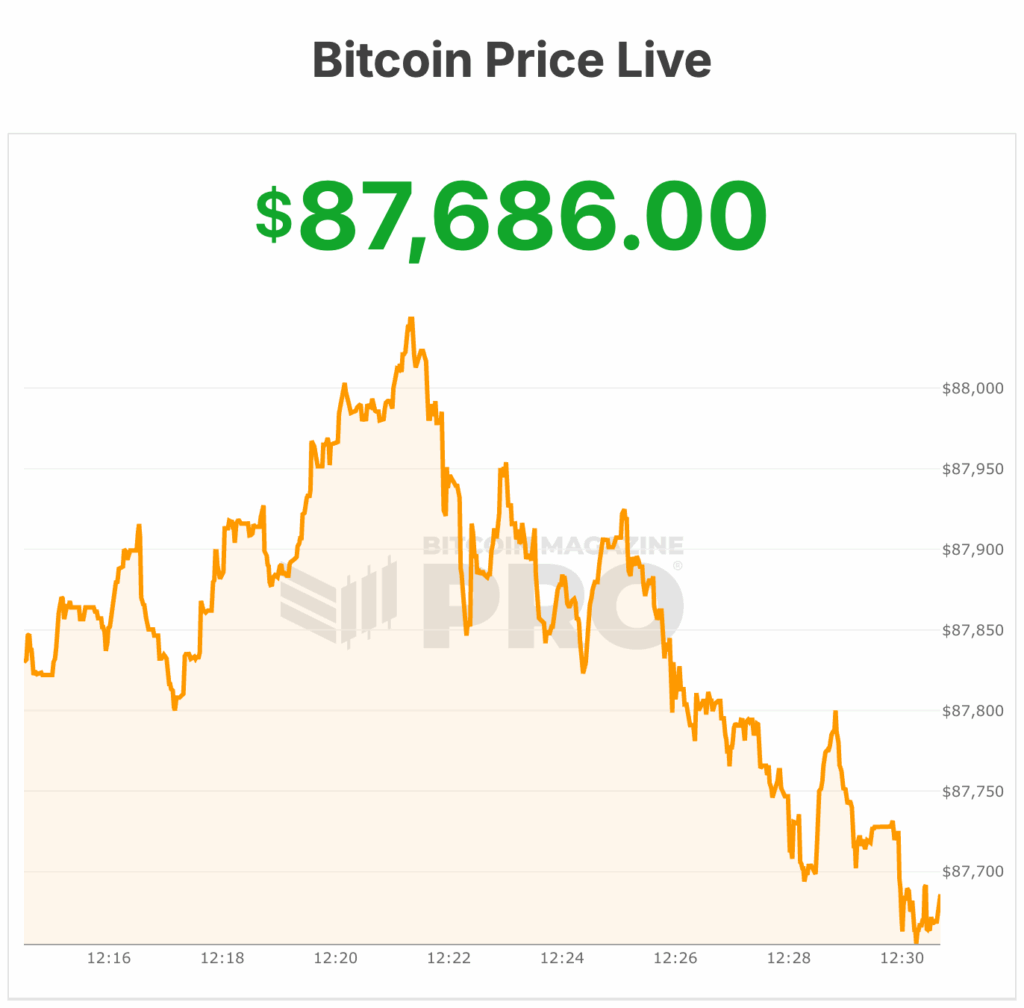
Bitcoin is wrapping up 2025 at approximately $87,000, marking a 30% decline from its all-time highs. The cryptocurrency has been trading within a narrow range as the year concludes, reflecting a period characterized more by consolidation than by significant gains. The market has been drifting, hindered by thin holiday liquidity and a lack of new catalysts, with Bitcoin trading just below $88,000—essentially unchanged over the past week and slightly lower than its starting point for the year.
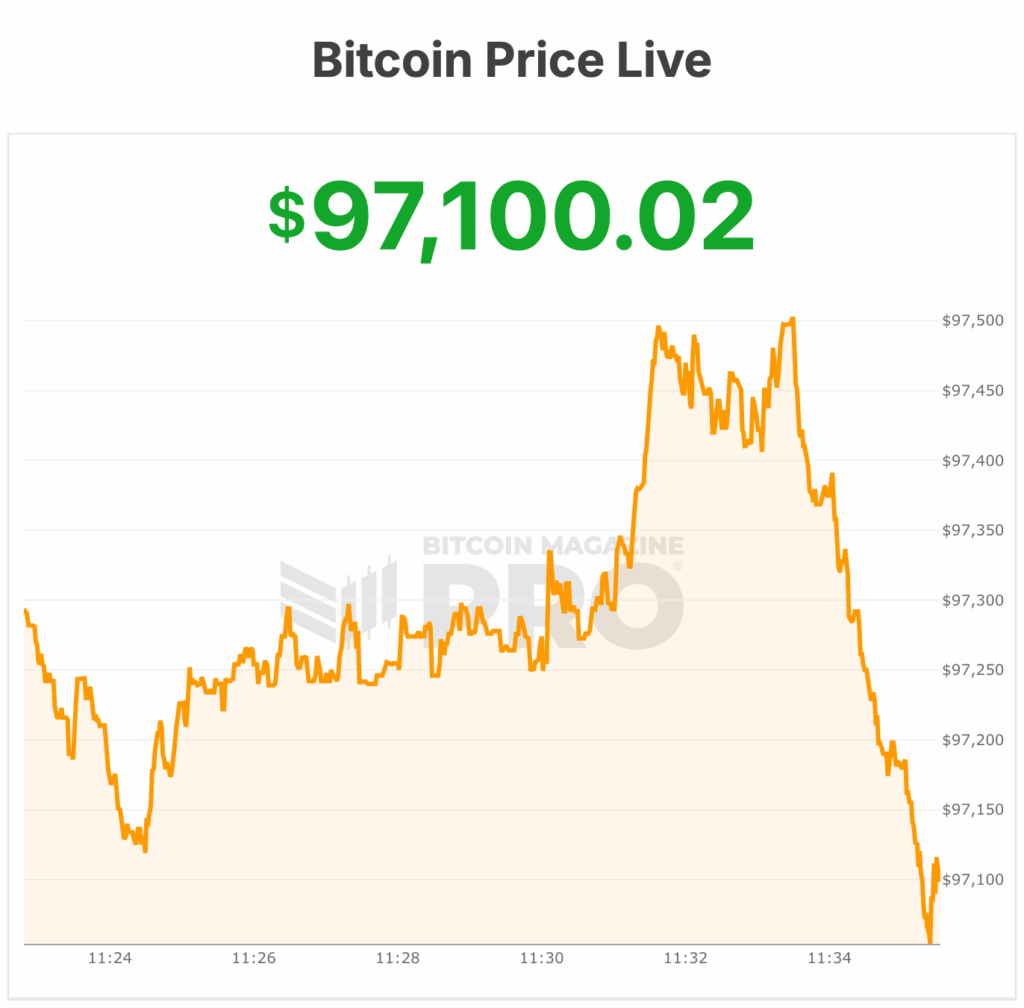
Throughout December, Bitcoin fluctuated between the low and high $80,000s, with multiple attempts to break through the $90,000 barrier failing to gain traction. This subdued year-end performance contrasts sharply with the optimism that marked the beginning of 2025. At the start of the year, Bitcoin was trading in the mid-$90,000s, buoyed by strong inflows into spot Bitcoin exchange-traded funds (ETFs), increased institutional participation, and expectations of a more accommodative monetary policy that would elevate risk assets.
Initially, these narratives seemed promising. Bitcoin experienced a robust rally in the first half of the year, driven by consistent ETF demand and ongoing accumulation by corporate treasuries and long-term holders. This upward trend peaked in October when Bitcoin briefly reached a new all-time high above $125,000, fueled by improving macroeconomic sentiment, positioning ahead of anticipated rate cuts, and renewed speculative interest in derivatives markets.
However, this rally proved to be short-lived. As the fourth quarter progressed, tightening financial conditions, rising bond yields, and a strengthening dollar began to dampen risk appetite. Consequently, Bitcoin, along with equities and other growth assets, retraced a significant portion of its earlier gains. By early December, the price had dropped over 30% from its peak, returning to a trading range that had characterized much of the year.
**Macro Pressures Impacting Bitcoin’s Performance**
Macro factors have played a crucial role in influencing Bitcoin’s trajectory throughout 2025. Persistent inflation led central banks to maintain a restrictive monetary stance longer than many investors had anticipated. This environment favored cash and yield-bearing assets over speculative investments, limiting potential gains in the cryptocurrency market. Bitcoin, often viewed as a hedge against monetary debasement, struggled to attract new buyers as real yields remained high.
Liquidity conditions also worsened as the year came to a close. Trading volumes plummeted in December as market participants took a step back for the holidays. With fewer active buyers and sellers, price movements became erratic, and market conviction diminished. The lack of strong inflows into spot ETFs during the final weeks of the year further reinforced a cautious market sentiment. On-chain data indicated a similar trend, with long-term holders remaining largely inactive while short-term traders exhibited limited engagement.
In conclusion, as Bitcoin enters 2026, it faces ongoing macroeconomic challenges that could continue to shape its performance. The cryptocurrency market’s ability to rebound will depend on various factors, including shifts in monetary policy, investor sentiment, and overall market conditions.
**FAQ**
**What factors contributed to Bitcoin’s decline in 2025?**
Bitcoin’s decline in 2025 was primarily driven by persistent inflation, tightening financial conditions, rising bond yields, and a stronger dollar, which collectively dampened risk appetite and limited speculative investments in the cryptocurrency market.