**Euthanasia Case of Harish Rana: Supreme Court’s Compassionate Approach**
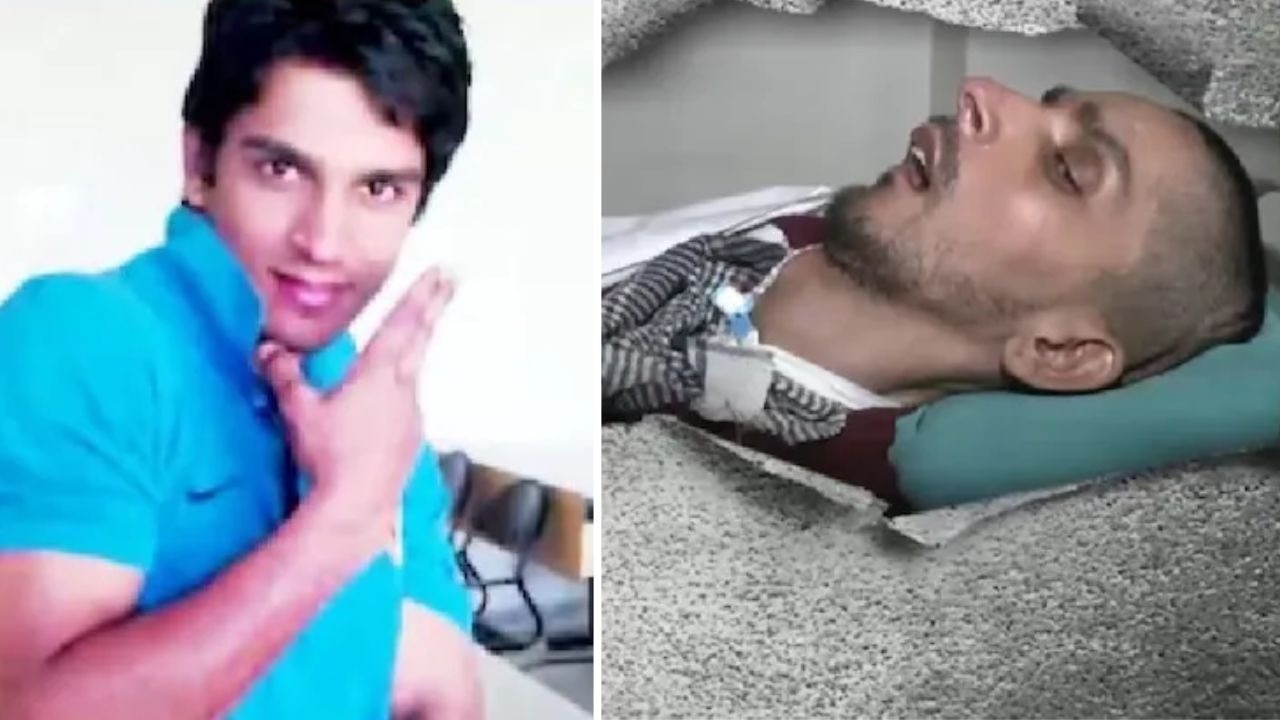
In a landmark case, the Supreme Court of India is set to make a significant ruling on passive euthanasia for Harish Rana, a 32-year-old man who has been in a vegetative state for 13 years following a severe accident. Harish, a resident of Delhi, suffered catastrophic head injuries and is completely disabled after falling from the fourth floor of his accommodation in Chandigarh in 2013. The case has gained renewed attention after his father petitioned the Supreme Court for permission to withdraw life support, citing Harish’s irreversible condition as confirmed by a medical board.
The Supreme Court is expected to issue a final order soon, which could mark the first officially sanctioned case of passive euthanasia in India. The court has approached the matter with sensitivity, having met with Harish’s parents and younger brother earlier this week. During this meeting, the parents expressed their desire for Harish to no longer endure suffering, emphasizing that they have done everything possible for him over the years.
In November 2025, Harish’s parents returned to the Supreme Court, where Justices JB Pardiwala and KV Viswanathan ordered the formation of primary and secondary medical boards to assess Harish’s condition, in line with guidelines established by the court in 2023. Both boards concluded that Harish had a minimal chance of recovery, leading the Supreme Court to remark, “It is a very sad report. We cannot keep this boy in this stage.”
The legal journey for the Rana family has been challenging. In 2024, the Delhi High Court denied their request for passive euthanasia, and the Supreme Court, under Chief Justice DY Chandrachud, also rejected their initial petition. The ongoing struggle highlights the complexities surrounding euthanasia laws in India.
Euthanasia in India is categorized into two types: active and passive. Active euthanasia, which involves directly causing death through medical intervention, remains illegal. Conversely, passive euthanasia, which entails withdrawing life support to allow natural death, was legalized by the Supreme Court in 2018, with detailed guidelines issued in 2023.
As the Supreme Court prepares to deliver its verdict, the case of Harish Rana stands as a poignant reminder of the ethical and legal dilemmas surrounding end-of-life decisions in India.
**FAQ: Is passive euthanasia legal in India?**
Yes, passive euthanasia is legal in India, as established by the Supreme Court in 2018, allowing for the withdrawal of life support to permit natural death.