**Sanjiv Khanna Retires as Chief Justice of India, Plans Future in Law**
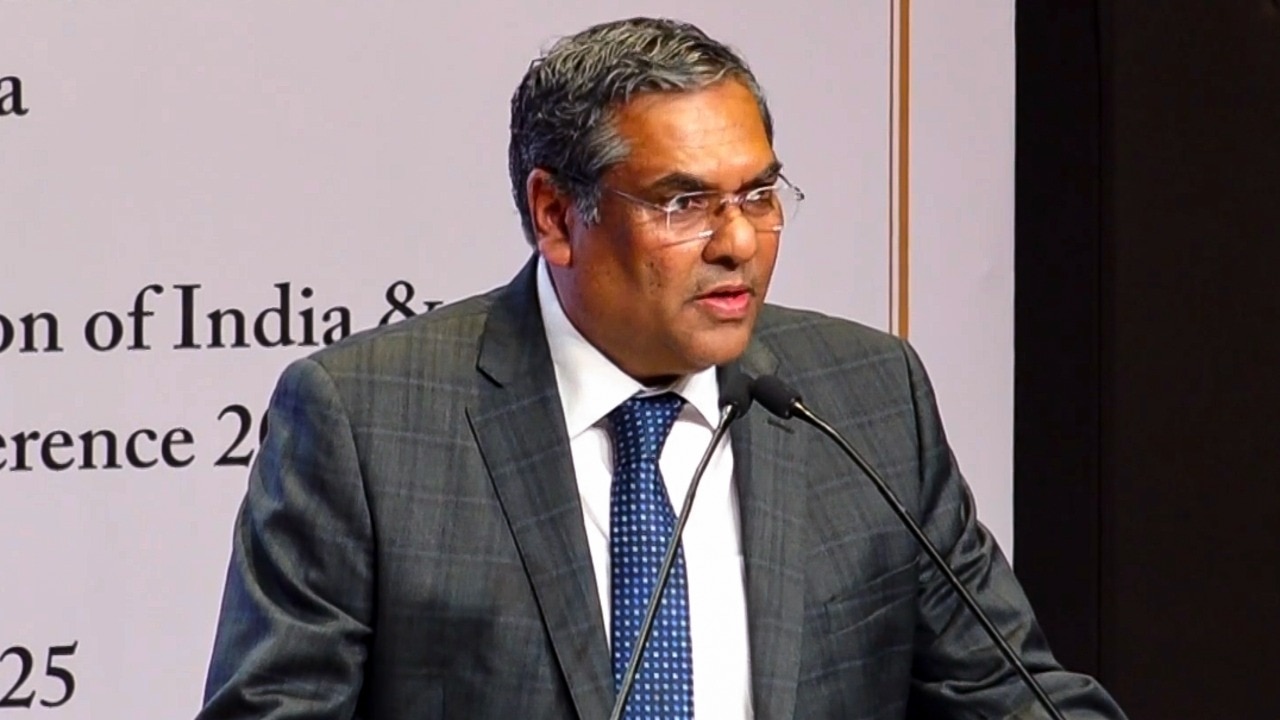
Chief Justice of India Sanjiv Khanna, who retired on Tuesday, announced that he will not accept any government or official position following his departure from the Supreme Court. However, he indicated that he may continue his involvement in the legal field in some capacity. “I will not accept any post-retirement post … perhaps will do something with law,” Justice Khanna shared with journalists during a ceremonial farewell at the Supreme Court.
With his retirement, Justice Khanna joins his successor, Justice B R Gavai, who is set to assume the role of the 51st Chief Justice of India. Both justices have opted to decline post-retirement roles in government or public institutions. Justice Khanna expressed his intention to embark on a “third innings” related to law, as reported by news agency PTI.
Justice Khanna’s tenure, though brief at just six months, was marked by significant decisions and administrative reforms. Despite being viewed as a transitional figure, he prioritized enhancing transparency, strengthening judicial accountability, and refining court processes. One of his notable actions involved addressing the controversy surrounding Delhi High Court judge Justice Yashwant Varma, who was implicated in a case involving unaccounted cash found at his residence. Justice Khanna emphasized the importance of decisive and rational judicial thinking in such matters.
Under his leadership, the Supreme Court acted swiftly, initiating a preliminary inquiry led by Delhi High Court Chief Justice DK Upadhyaya, withdrawing judicial responsibilities from Justice Varma, and recommending his transfer to the Allahabad High Court without judicial duties. Following an in-house panel’s indictment of the judge, Justice Khanna urged him to resign. When the judge declined, the Chief Justice escalated the matter by writing to President Droupadi Murmu and Prime Minister Narendra Modi.
Justice Khanna also advocated for transparency in judicial appointments. In a notable move, he made Collegium resolutions and the rationale behind judicial transfers public, a step aimed at reinforcing public trust in the judiciary. During his term, he played a crucial role in finalizing the appointments of three Supreme Court judges and 51 High Court judges, emphasizing diversity by including representatives from OBC, SC, ST, and minority communities, as well as judges with familial ties to the judiciary.
In a landmark reform, the Supreme Court under his leadership passed a resolution mandating all judges to publicly declare their assets upon taking office, transitioning from the previous voluntary practice. Justice Khanna further clarified the judicial appointment process by disclosing candidates’ backgrounds, including their social categories and familial connections within the judiciary.
As Justice Khanna steps down, his contributions to the Indian judiciary will be remembered, and his future endeavors in the legal field are anticipated with interest.
**FAQ**
**What are Justice Sanjiv Khanna’s plans after retirement?**
Justice Sanjiv Khanna has stated that he will not take on any government or official roles after his retirement but may continue to work in the field of law.