**Opposition Considers Removal of Chief Election Commissioner Amid Tensions**
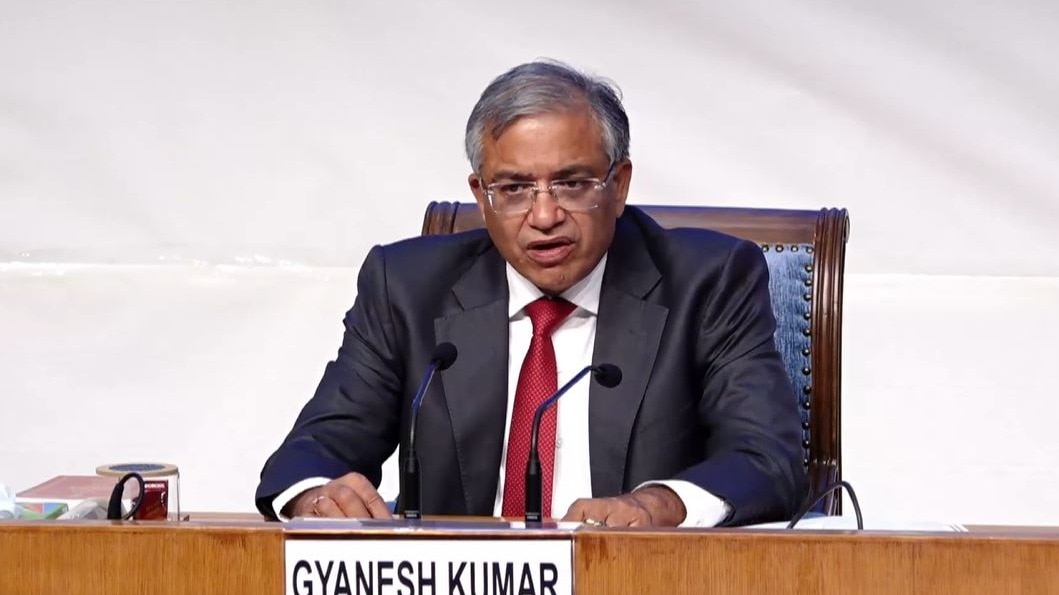
In light of escalating tensions between the Congress-led Opposition and the Election Commission of India (ECI), reports indicate that the Opposition is contemplating a formal notice for the removal of Chief Election Commissioner Gyanesh Kumar. This unprecedented action comes in response to serious allegations from Leader of the Opposition Rahul Gandhi and other party members, who have accused the ECI of extensive “vote theft” and procedural irregularities, particularly during the Special Intensive Revision of electoral rolls in Bihar and the upcoming 2024 Lok Sabha elections.
This situation raises significant questions regarding the removal process for a Chief Election Commissioner and the legal framework that governs such actions. The Chief Election Commissioner holds a vital constitutional position, tasked with ensuring free and fair elections across the nation. The Constitution of India provides robust protections for the independence and autonomy of this office, establishing a removal process that mirrors the stringent requirements for the dismissal of a Supreme Court judge.
The primary legal provision concerning the removal of the Chief Election Commissioner is found in Article 324(5) of the Constitution, which states that the Chief Election Commissioner cannot be removed from office except in the same manner and on the same grounds as a Supreme Court judge. To comprehend this process, one must refer to Article 124(4), which outlines the procedure for removing a Supreme Court judge. According to this article, a judge can only be removed by an order from the President, following an address passed by both Houses of Parliament. This address must be supported by an absolute majority of the total membership of each House and a two-thirds majority of the members present and voting. Removal is permissible only on the grounds of “proved misbehaviour or incapacity.”
The term “proved” is critical, as it necessitates a formal inquiry before any parliamentary action can take place. A similar procedure applies to the Chief Election Commissioner. The investigation and inquiry process is governed by the Judges (Inquiry) Act, 1968. Article 124(4) specifies that a Supreme Court judge shall not be removed except by an order of the President, following a parliamentary address supported by the requisite majorities.
While the Constitution does not explicitly define “misbehaviour,” it is generally interpreted to encompass willful misconduct, corruption, moral turpitude, abuse of office, or repeated dereliction of duty. Misbehaviour must be intentional and sustained.
As the Opposition weighs its options, the implications of this potential move could have far-reaching effects on the integrity of the electoral process in India and the relationship between political entities and the Election Commission.
**FAQ**
**What is the process for removing a Chief Election Commissioner in India?**
The Chief Election Commissioner can only be removed through a process similar to that of a Supreme Court judge, requiring a formal inquiry and an address supported by majorities in both Houses of Parliament.